Finance
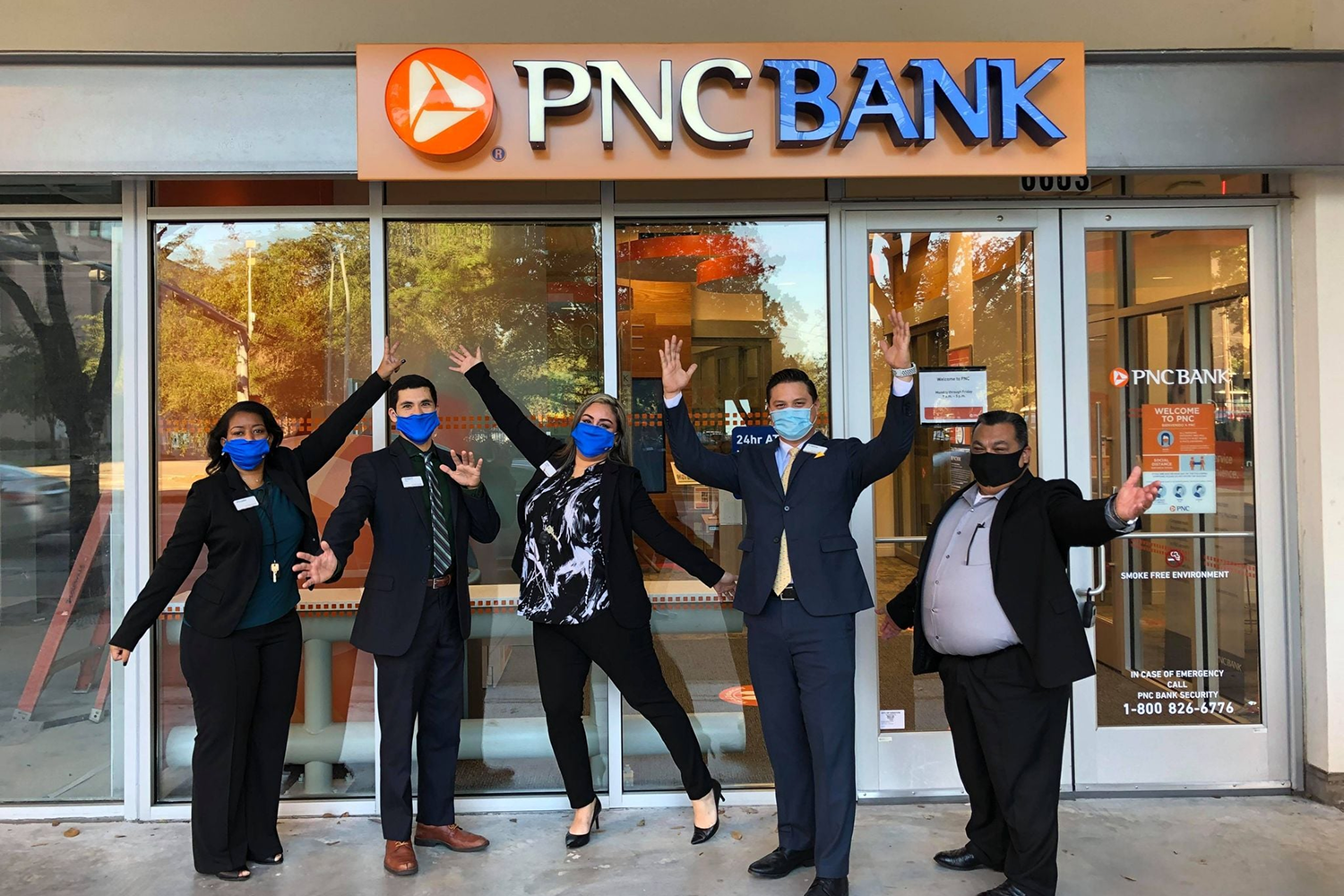
PNC Financial Services Group occupies a distinctive position in the global banking ecosystem. It is one of the largest US regional banks by assets, yet it operates without the global ambitions—or balance-sheet complexity—of Wall Street’s universal institutions. For internationally mobile families and entrepreneurs who anchor their wealth in Switzerland while maintaining substantial US exposure, PNC’s profile offers a useful case study in how regional banking strength should be incorporated into a disciplined wealth architecture.
This is not about PNC’s quarterly earnings or headline profitability. The strategic question is how a domestically focused US bank fits into a Swiss-led model of capital preservation, jurisdictional separation, and operational efficiency.
PNC’s strategy is unapologetically US-centric. Its loan book is concentrated in commercial lending, corporate treasury services, and affluent retail banking across core American markets. This deliberate focus limits regulatory overlap, currency complexity, and geopolitical exposure.
From a Swiss private banking perspective, this restraint is a virtue. Institutions that resist global sprawl tend to manage liquidity and credit risk more predictably. For clients with operating companies, real estate holdings, or philanthropic structures in the US, PNC functions best as a stable execution bank—handling payroll, credit facilities, and transactional flows—without introducing unnecessary systemic risk into the broader wealth structure.
In Zurich and Geneva, PNC is rarely viewed as a competitor. It is viewed as plumbing. Swiss private banks frequently interface with US regional institutions like PNC to facilitate dollar liquidity, custody access, and local compliance, while retaining strategic oversight at the Swiss level.
This separation of roles is intentional. Core assets, reporting, and governance remain under Swiss law, while US banks are used tactically within their jurisdictional comfort zone. PNC’s scale and conservative capital management make it a credible counterparty for this purpose, particularly compared with smaller US banks that may be more sensitive to deposit volatility.
The US banking system has become more visibly bifurcated since 2023. Money-center banks dominate capital markets, while regional banks carry the weight of commercial lending and local economic activity. PNC sits at the upper end of this regional tier, benefiting from diversified deposits and a relatively low reliance on volatile funding sources.
For HNWI, the implication is clear: US exposure should be intentional and compartmentalised. Swiss private banks increasingly advise clients to avoid concentration risk in any single US institution, regardless of size. PNC can play a role, but only within a clearly defined mandate that limits contagion risk during periods of US market stress.
PNC excels at domestic execution. It is less relevant for cross-border structuring, multi-currency optimisation, or intergenerational planning. Those functions remain the domain of Swiss private banks, which operate under a different legal, cultural, and fiduciary framework.
For globally mobile families, the optimal model is complementary: PNC for US-based operational needs; Switzerland for consolidation, asset protection, and long-term strategy. Blurring these roles often introduces inefficiency and regulatory friction rather than value.
PNC Financial Services underscores a broader truth in modern wealth management: strength today lies in clarity of purpose. Banks that know their jurisdiction and stay within it are often more reliable partners than institutions chasing global relevance.
For HNWI, the priority is not finding a single bank that does everything, but constructing a resilient ecosystem where each institution plays a defined role. PNC can serve effectively within that framework—provided Swiss private banking remains the strategic centre of gravity.
For a confidential discussion regarding how US banking relationships integrate with your Swiss-based wealth structure, contact our senior advisory team.

 Or Sushan
-
January 9, 2026
Or Sushan
-
January 9, 2026
 Or Sushan
-
January 9, 2026
Or Sushan
-
January 9, 2026
 Or Sushan
-
January 9, 2026
Or Sushan
-
January 9, 2026
 Or Sushan
-
January 8, 2026
Or Sushan
-
January 8, 2026