Finance
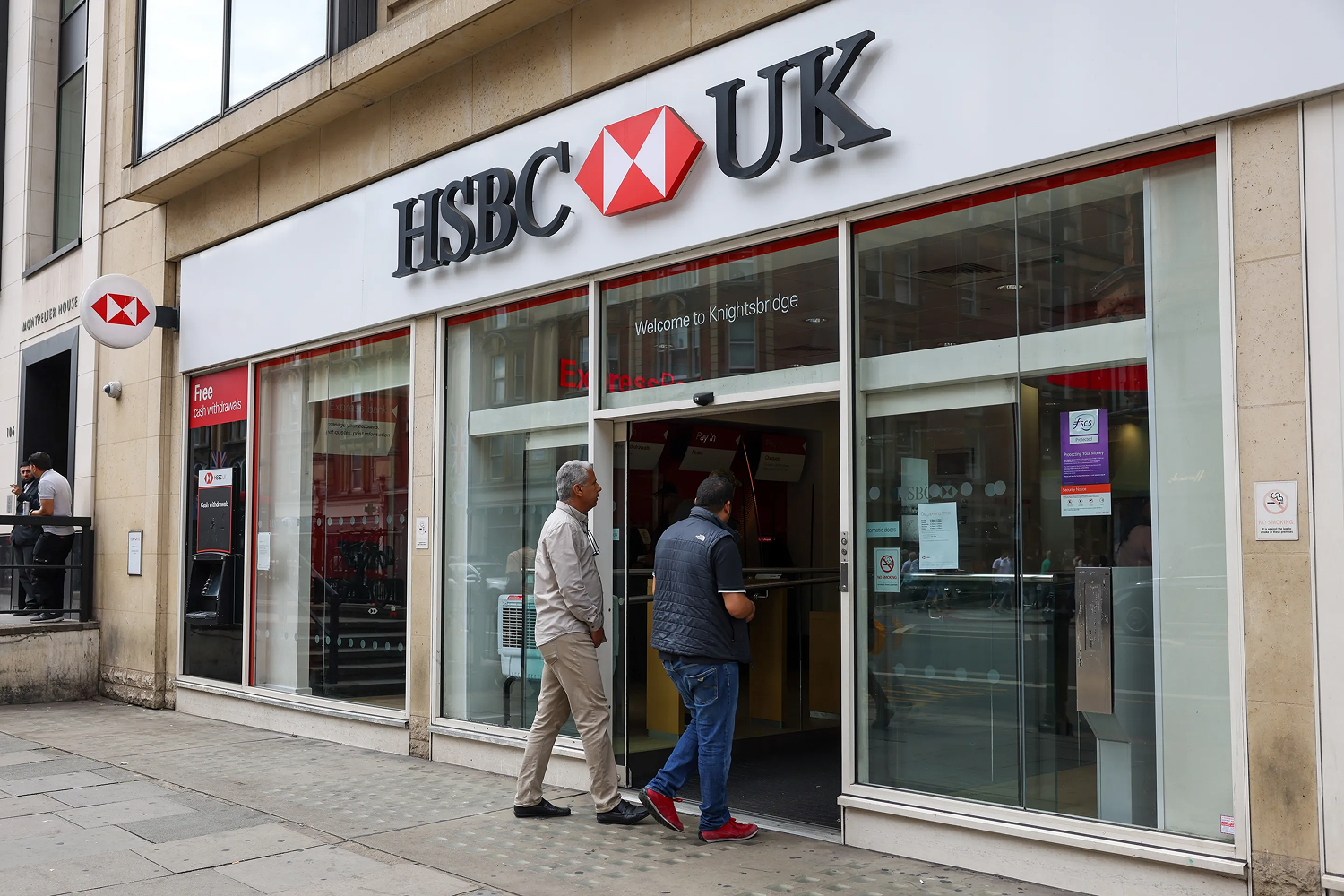
European banking is entering a materially different phase. After more than a decade of margin compression, elevated interest rates are now translating into an estimated €30bn increase in net interest income across the sector. At the same time, select institutions are positioning for the next iteration of financial market infrastructure. Barclays’ strategic investment in UBYX, a regulated stablecoin settlement network, reflects a broader institutional recalibration toward efficiency, resilience, and control.
For clients whose wealth is anchored in Zurich or Geneva private banks, these developments are not abstract macro trends. They directly influence capital preservation, counterparty selection, liquidity management, and the long-term architecture of international wealth structures.
Rising net interest income improves European banks’ balance-sheet strength in ways that matter quietly but materially to private clients. Stronger earnings enhance capital ratios, improve loss-absorption capacity, and reduce reliance on volatile fee income. For wealth preservation, this translates into lower institutional risk and greater confidence in core banking relationships.
However, improved profitability also alters incentives. Banks with stronger margins are under less pressure to compete aggressively for deposits. As a result, liquidity pricing is becoming more selective. Swiss private banks, traditionally conservative, are prioritising balance-sheet resilience over headline deposit yields, reinforcing their role as stability providers rather than yield distributors.
The higher-rate environment has ended the era of “neutral” cash. Large balances now carry opportunity costs and balance-sheet implications for banks. In response, private institutions are segmenting liquidity by client profile, currency, and relationship depth.
For HNWI holding significant transactional or strategic cash, this demands a more intentional approach. Liquidity must be structured, not parked. Swiss banks are increasingly favouring clients who integrate deposits with advisory mandates, lending structures, or custody relationships. This is less about return and more about efficiency, optionality, and access.
Barclays’ investment in UBYX should not be viewed through a speculative digital-asset lens. UBYX is designed as a settlement rail for regulated institutions, using stablecoins to enable faster, more predictable interbank settlement. The objective is operational: reduced settlement risk, lower capital friction, and improved cross-border efficiency.
For Swiss private banking clients, the relevance is structural. Tokenised settlement networks can integrate with custody, financing, and reporting systems, improving transparency and control across complex, multi-jurisdictional structures. Importantly, this shift is being led by Tier 1 banks operating within regulatory boundaries, not by external fintech platforms.
Zurich and Geneva institutions are approaching this transition deliberately. While remaining cautious, they are investing selectively in infrastructure compatibility, digital custody capabilities, and settlement efficiency. The objective is not speed to market, but long-term robustness aligned with Swiss standards of discretion and legal certainty.
For globally mobile families, this reinforces the importance of banking partners that combine capital strength with operational foresight. As settlement and liquidity systems evolve, the quality of a bank’s infrastructure will increasingly matter as much as its brand.
The convergence of stronger European bank balance sheets and modernised settlement infrastructure marks a quiet inflection point. Wealth structures that depend on cross-border flows, holding companies, and multi-currency liquidity will benefit from institutions capable of delivering speed without sacrificing control.
The strategic priority is alignment. HNWI should ensure their Swiss banking relationships are positioned to operate efficiently within emerging infrastructure while maintaining conservative risk standards.
For a confidential discussion regarding your cross-border banking structure and liquidity strategy, contact our senior advisory team.

 Or Sushan
-
January 9, 2026
Or Sushan
-
January 9, 2026
 Or Sushan
-
January 9, 2026
Or Sushan
-
January 9, 2026
 Or Sushan
-
January 9, 2026
Or Sushan
-
January 9, 2026
 Or Sushan
-
January 8, 2026
Or Sushan
-
January 8, 2026