Finance
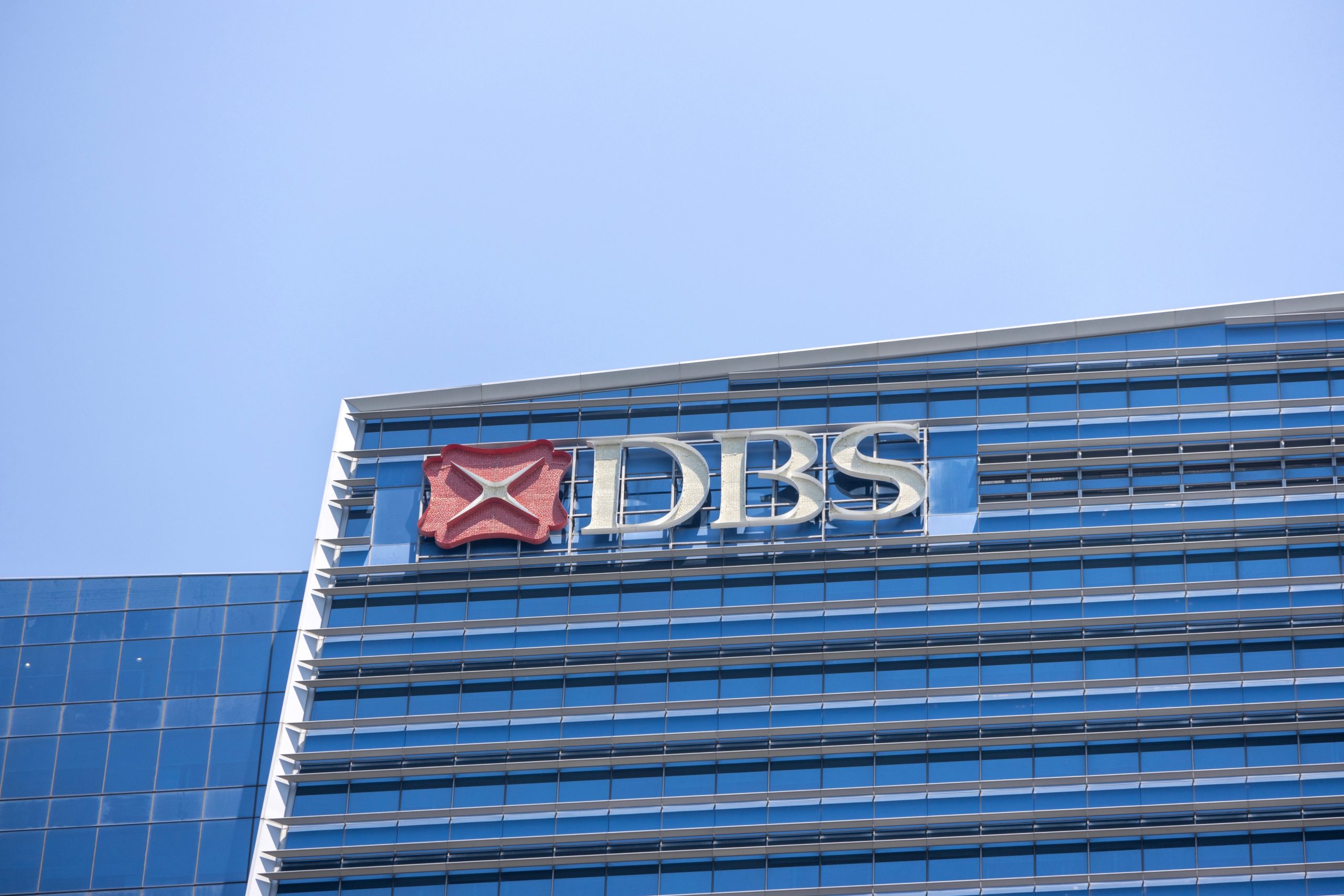
DBS Bank’s leadership positions artificial intelligence not as a trend, but as a strategic “superpower” for modern banking. For HNWIs, this perspective is directly relevant: the integration of AI into private banking operations affects how global wealth is safeguarded, managed, and optimized. Beyond predictive analytics, AI is influencing discretionary advice, cross-border liquidity execution, and operational efficiency—core priorities for clients whose primary concern is preserving and growing legacy assets with discretion.
The application of AI in banking is redefining operational benchmarks. For HNWIs, resilience is measured not in quarterly headlines but in consistent execution under stress. AI-driven portfolio monitoring, fraud detection, and automated compliance checks reduce operational risk, a critical factor for multi-jurisdictional accounts. Swiss private banks that incorporate these capabilities enhance their ability to protect assets against regulatory inconsistencies, currency volatility, and systemic disruptions, reinforcing confidence in custodial and fiduciary operations.
AI also strengthens the qualitative dimension of private banking: client discretion and tailored advisory. Advanced algorithms analyze behavioral patterns, transaction flows, and cross-border tax implications to inform highly customized solutions without compromising privacy. For globally mobile families and entrepreneurs, this translates into real-time visibility into asset performance while maintaining confidentiality, allowing decision-makers to act efficiently across multiple markets and legal frameworks.
For Zurich and Geneva clients, the DBS example underscores a broader trend: the banks that successfully integrate AI into wealth management are those that balance technological sophistication with traditional Swiss strengths—capital preservation, privacy, and regulatory excellence. Evaluating banking partners now requires more than financial metrics; it requires insight into AI adoption strategies, governance models, and the alignment of tech-enabled advisory with high-touch service. This is especially relevant for cross-border structures where regulatory oversight, multi-currency execution, and legacy planning intersect.
HNWI investors should view AI integration as a strategic lens for evaluating operational efficiency, risk mitigation, and long-term wealth structuring. Key areas to monitor include how AI influences cross-border liquidity, scenario modeling for geopolitical or macroeconomic shifts, and the degree to which technology enhances fiduciary discretion. Banks that leverage AI thoughtfully may offer superior execution and insight, reinforcing confidence in complex portfolios while safeguarding legacy and efficiency. For clients seeking actionable guidance on positioning within this evolving landscape, early engagement with technologically advanced yet discreet Swiss private banks is a prudent strategy.
For a confidential discussion regarding your cross-border banking structure and AI-enabled wealth management solutions, contact our senior advisory team.
 Previous Post
SKN | Barclays Investment Bank Surges as UniCredit’s Leadership Signal Stability
 Next Post
SKN | Control Limits Stall India’s State Bank Drive for Foreign Investment: Implications for Global Wealth Structures

February 11, 2026
February 11, 2026
February 11, 2026

February 10, 2026
SKN | Why Banks Are Getting Non-Financial Misconduct Wrong: Implications for HNWI Wealth Management
SKN | Control Limits Stall India’s State Bank Drive for Foreign Investment: Implications for Global Wealth Structures
SKN | Barclays Investment Bank Surges as UniCredit’s Leadership Signal Stability


