Investors
Lloyds Banking Group’s position that it does not need to raise provisions for car loan mis-selling may appear operational, but it reflects a deeper message: institutional confidence in risk containment.
For sophisticated investors, provisioning decisions are not accounting details—they are forward-looking indicators of potential liabilities and systemic exposure.
Banks increase provisions when they anticipate future losses. By choosing not to do so, Lloyds is effectively signaling that current risks are manageable within existing buffers.
However, for HNWI clients, the more important question is not what is visible, but what remains uncertain beneath the surface.
Auto finance and similar lending segments are often viewed as contained risk categories. Yet, they can evolve into broader concerns if regulatory or legal scrutiny intensifies.
Key considerations include:
The implication is clear: risk may be contained today, but not eliminated.
For HNWI portfolios, exposure to banking risk is often indirect—through equities, bonds, or structured products. Lloyds’ position highlights the importance of understanding embedded risks within financial institutions.
Consumer finance risks are often jurisdiction-specific. What emerges as a liability in one market may not exist in another. This reinforces the importance of cross-border structuring.
Swiss banking platforms provide a foundation for neutral, stable, and globally aligned wealth management.
The absence of increased provisions should not be interpreted as the absence of risk. Instead, it should prompt a more nuanced evaluation: are risks fully priced, or simply deferred?
A disciplined approach includes:
Lloyds’ stance reflects confidence—but for sophisticated investors, confidence must be verified through structure and diversification. Banking stability is not absolute; it is context-dependent and jurisdiction-specific.
The advantage lies in ensuring that your wealth is positioned within systems that absorb risk, rather than concentrate it.
For a confidential discussion regarding your cross-border banking structure and exposure to financial institutions within Swiss custody frameworks, engage with our senior advisory team to ensure your portfolio remains insulated from evolving regulatory and credit risks.
 Previous Post
 SKN | Barclays Reaffirms Constellation Energy: Strategic Implications of a Persistent “Overweight” Signal
 Next Post
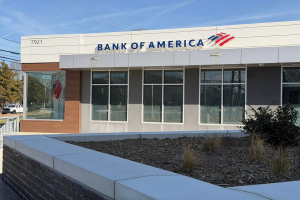
 SKN | Bank of America’s Capital Return Engine: What Sustained Distributions Signal for Wealth Strategy
April 2, 2026
April 2, 2026

April 2, 2026

April 1, 2026
 Optimized by Seraphinite Accelerator