Finance
An American institution, Goldman Sachs, has been ranked as Switzerland’s best private bank, surpassing the nation’s own long-established champions in an exclusive new study. This surprising result comes from the latest Fin21 Wealth Management Study, which analyzed 69 Swiss banks. The findings reveal a sobering truth: while total assets under management have risen, fresh inflows of client money have dried up, signaling that the traditional Swiss private banking model is losing its growth momentum.
The comprehensive study, now in its fourth edition, measures industry performance across four key criteria: growth, capital strength, efficiency, and prosperity. Goldman Sachs took the top spot in the large bank category (over 20 billion francs in assets), outperforming local giants like Julius Baer and Pictet. The study’s authors note that Goldman’s success comes from a powerful hybrid formula. The bank combines the traditional Swiss strengths of discretion and high-touch service with the global scale, complex credit solutions, and institutional capabilities of a universal bank—a model that is clearly attracting record-high inflows while its peers struggle.
The study’s most alarming finding is the divergence between market performance and client acquisition. Favorable markets lifted total client assets in Switzerland and Liechtenstein by nearly 10 percent to 8.7 trillion francs. However, this growth masks a deep problem: net new money—the lifeblood of the industry—fell by more than 14 percent year-over-year. As the study’s author, Christoph Künzle, notes, “The industry’s expansion is not fueled by new money.” This indicates that Swiss banks are struggling to attract the next generation of wealth, which is increasingly being created and booked in newer, more dynamic hubs like Singapore, Dubai, and the US, rather than in “Old Europe.”
The traditional private banking model is under pressure from all sides. Internally, high personnel costs and rising regulatory burdens are squeezing profitability, with the median cost-income ratio remaining high at 77 percent. Externally, the very nature of “trust” is being challenged. As finance professor Martin Janssen notes, trust is being supplemented or replaced by digital banking innovations like AI and blockchain. This new “institution-independent trust” levels the playing field and intensifies global competition. A bank can no longer compete on reputation alone when its services are being compared to global digital platforms.
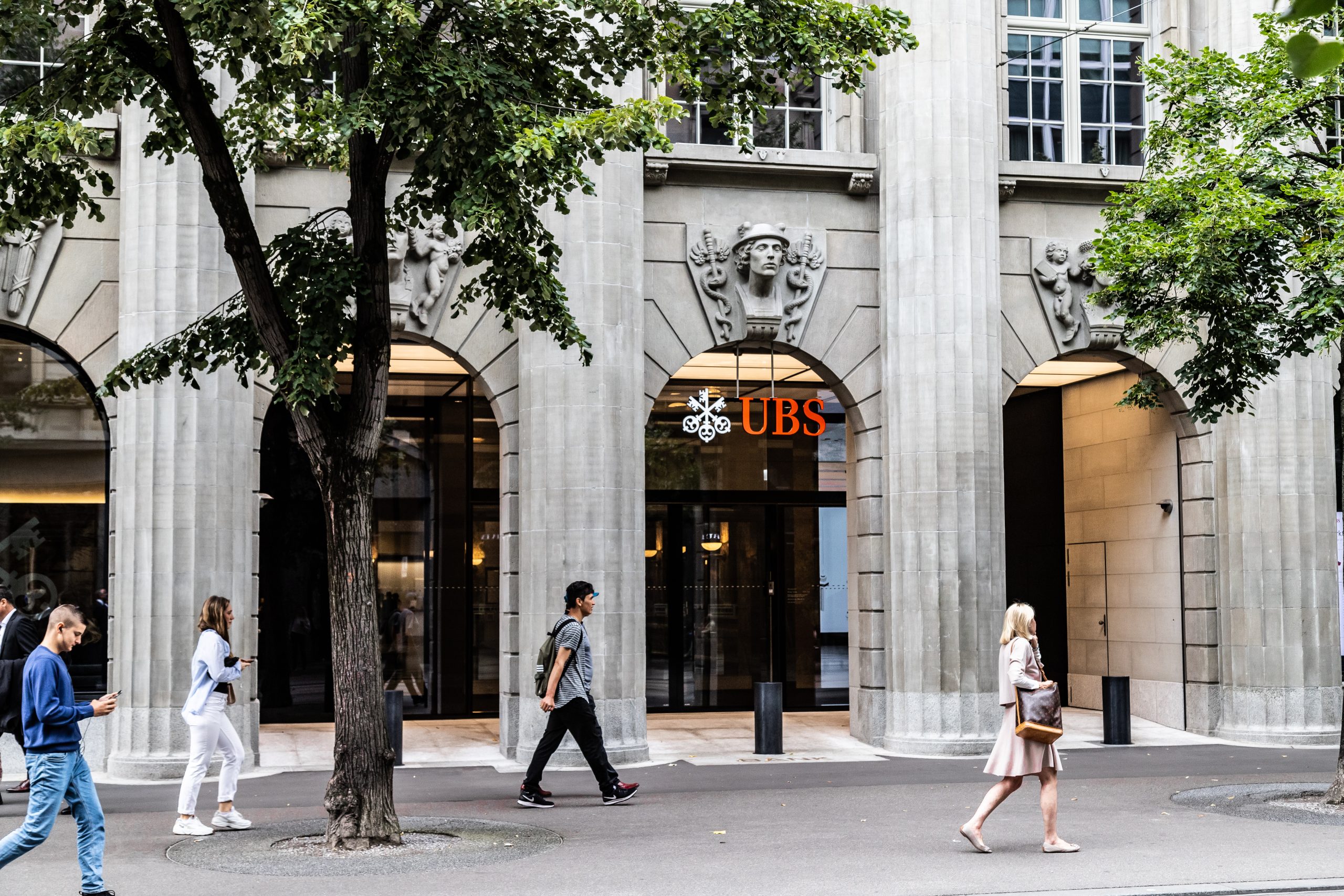
The data shows that clients, particularly ultra-high-net-worth individuals, now demand more than a simple deposit or checking account. They require sophisticated, global solutions, from complex loans and mortgage portfolios to institutional-grade investments. The dominance of UBS, which holds 66 percent of all assets, proves that scale is critical. Goldman Sachs’s victory is therefore more than just a rankings upset; it is a clear wake-up call. The data shows that the traditional, standalone Swiss private banking model must evolve by integrating global scale and advanced digital banking capabilities, or it will risk being left behind.
Closing Insights:

 Or Sushan
-
December 30, 2025
Or Sushan
-
December 30, 2025
 Or Sushan
-
December 24, 2025
Or Sushan
-
December 24, 2025
 Or Sushan
-
December 17, 2025
Or Sushan
-
December 17, 2025
 Or Sushan
-
December 11, 2025
Or Sushan
-
December 11, 2025