Business
In Zurich this week, former U.S. regulator J. Christopher Giancarlo, widely known as “CryptoDad,” offered a striking assessment of the new Trump 2.0 administration: it has, he said, “turned into the Crypto President” — signaling a sharp shift in Washington’s stance toward digital assets and blockchain regulation.
Giancarlo, the former chair of the U.S. Commodity Futures Trading Commission (CFTC), was one of the first major regulators to advocate for cryptocurrency innovation within a compliant framework. His remarks shed light on how the current U.S. government’s approach to digital banking, crypto policy, and capital markets is being rapidly reshaped.
For much of the past decade, U.S. crypto regulation was characterized by fragmentation, enforcement actions, and caution. Under the Trump 2.0 administration, however, Giancarlo noted a decisive shift toward strategic engagement.
“After years of mixed messages, we now have a White House that views digital assets as a driver of financial competitiveness,” he said. “The aim is to integrate crypto into the banking system — not to marginalize it.”
This shift has already led to a series of policy moves: the reopening of bank custody for crypto, discussions on stablecoin regulation, and renewed dialogue between the Federal Reserve and digital asset firms over payment infrastructure.
Giancarlo also acknowledged that Switzerland — once considered the “crypto capital of the world” — is no longer unchallenged. While Swiss regulators gave early clarity on digital asset custody and tokenized securities, the U.S. is now accelerating to close the gap through institutional participation and dollar-backed innovation.
“Switzerland’s head start has been overtaken,” he said. “The U.S. has the liquidity, the legal framework, and the investor base to lead the next wave of crypto adoption.”
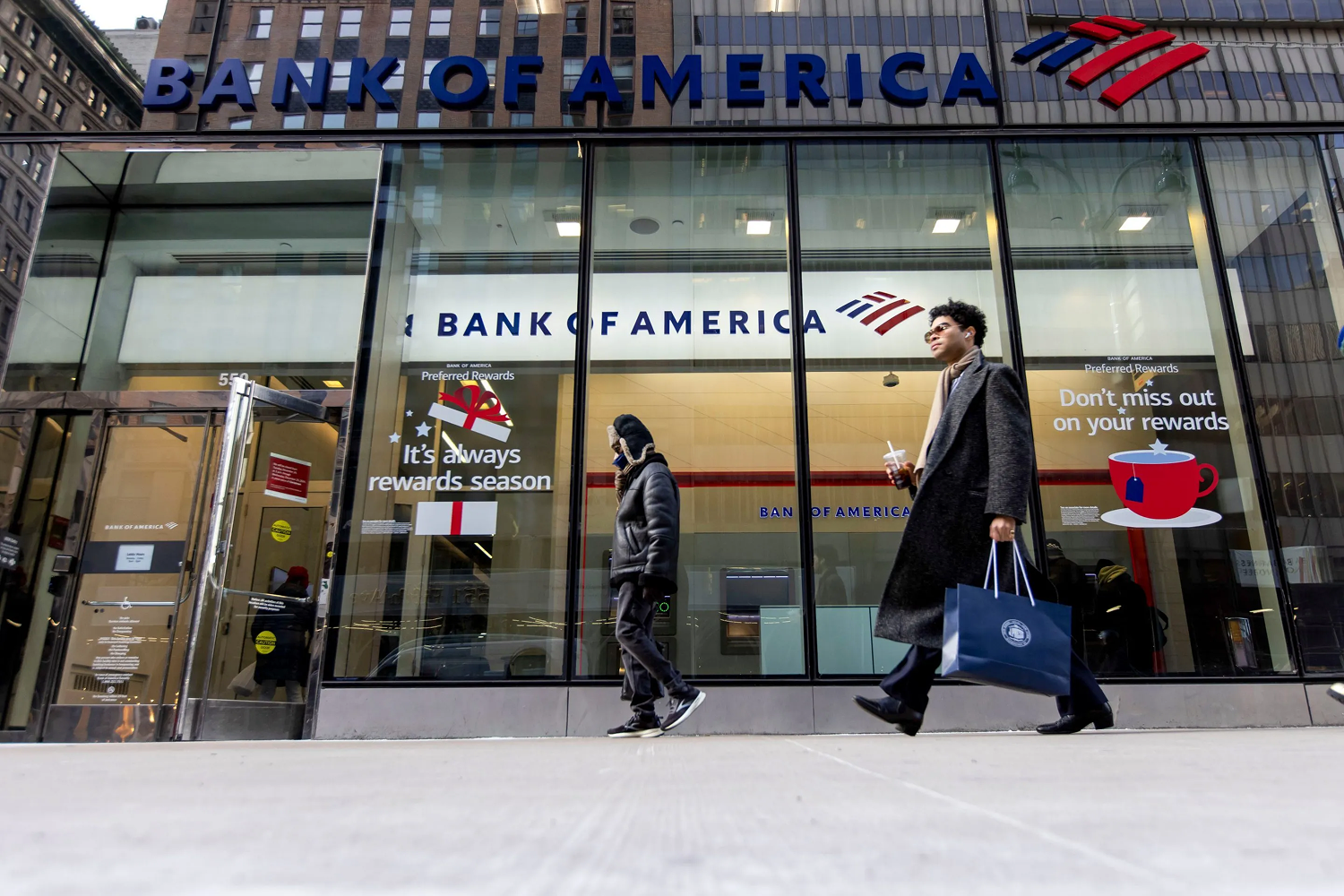
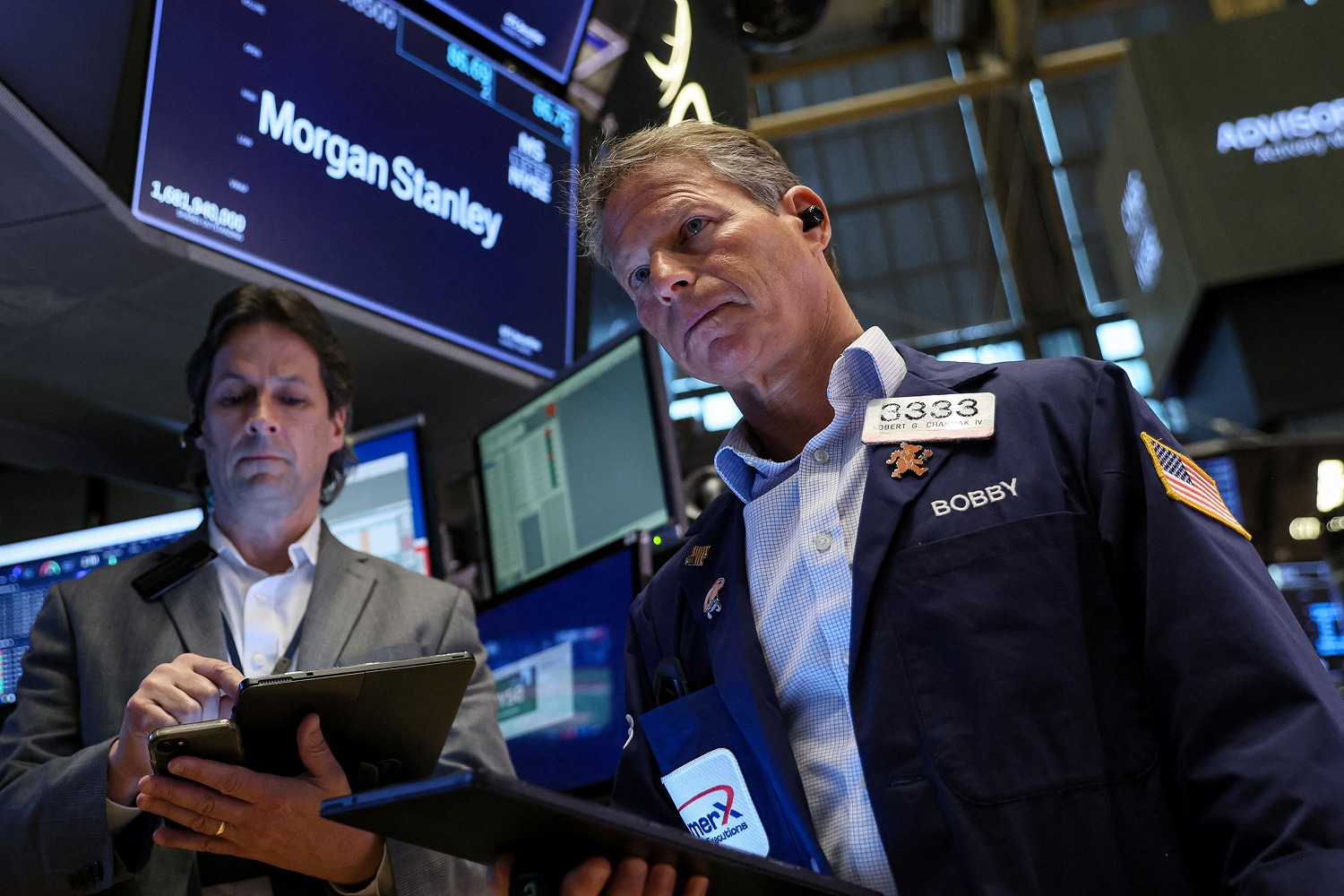
For the banking industry, the Trump administration’s pro-crypto tone could mark the start of a new competitive era. Traditional banks are reconsidering how they handle deposits, loans, and payment rails in a digital currency environment. Several major lenders are already piloting tokenized dollar deposits, merging traditional checking account infrastructure with blockchain efficiency.
Investors, meanwhile, are closely watching how these policy shifts affect interest rates, liquidity, and cross-border credit flows. A friendlier regulatory climate could invite a surge of capital into crypto-linked financial products, from ETFs to on-chain money markets.
Giancarlo’s comments highlight an inflection point for global finance: crypto is moving from the periphery of innovation to the center of monetary and banking strategy. If Trump’s administration sustains this course, the coming years could see the U.S. financial system embrace — rather than resist — digital transformation.
For investors and banks alike, the message is clear: the next wave of competition won’t be about technology adoption alone, but about who defines the rules of the digital financial future.
 Or Sushan
-
December 27, 2025
Or Sushan
-
December 27, 2025
 Or Sushan
-
December 27, 2025
Or Sushan
-
December 27, 2025
 Or Sushan
-
December 27, 2025
Or Sushan
-
December 27, 2025
 Or Sushan
-
December 26, 2025
Or Sushan
-
December 26, 2025