Finance
Bank of America (BofA) is rapidly expanding its artificial intelligence capabilities, now operating 270 AI and machine-learning models across nearly every part of the organization. During the bank’s recent investor day, CEO Brian Moynihan described AI as a foundational technology helping the company build a long-term competitive “moat” while fueling growth and lowering operational costs.
AI tools have already been deployed at scale across the bank, with a majority of BofA employees using AI-powered systems daily. These tools support everything from risk management to customer service, demonstrating how digital transformation is reshaping the future of large financial institutions.
The bank’s investment in AI is already showing meaningful results. Fraud detection models have cut fraud losses by 50%, significantly strengthening customer protection and credit integrity. Meanwhile, AI-powered automation has reduced service call volumes by 60%, freeing up staff to focus on higher-value client interactions.
Moynihan told investors that AI will continue to influence the bank’s long-term strategic direction. “We see AI and other innovations as continuing to shape the future of financial services and the economy,” he said. “We intend to continue to lead that.”
The technology has also become central to software development within the bank. According to Hari Gopalkrishnan, BofA’s chief technology and information officer, more than 18,000 developers now use AI coding agents to accelerate production cycles. The result: a 20% productivity improvement, which the bank plans to reinvest into innovation and new product growth in the coming year.
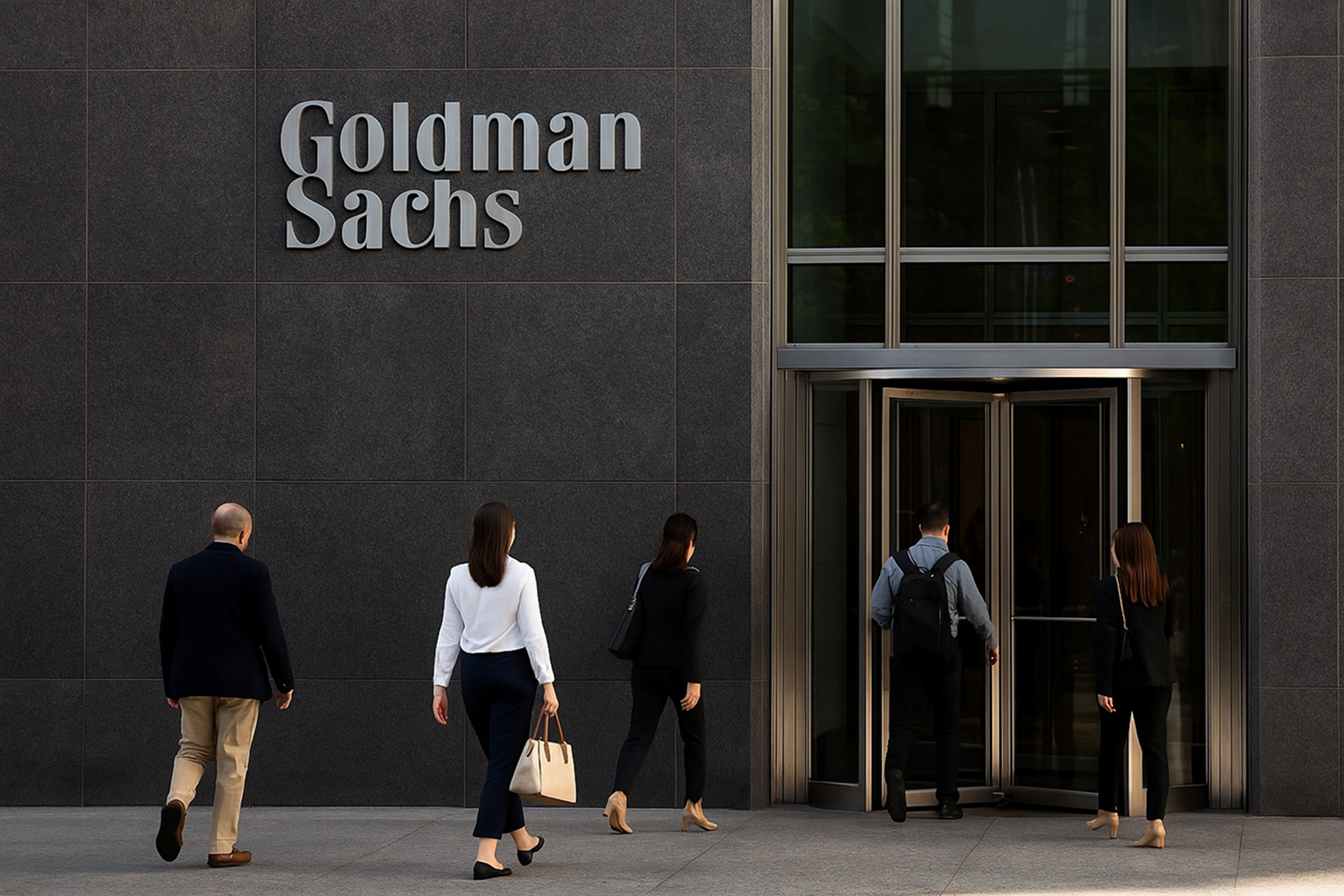
Bank of America is part of a broader industry trend. Large U.S. banks—including Wells Fargo, JPMorgan Chase, Citi, BNY, and Goldman Sachs—have devoted increasing time in earnings calls to discussing AI-powered efficiencies across digital banking, customer experience, credit risk analytics, and operations.
The number of financial-sector technologists working on agentic AI, which allows systems to make autonomous decisions within defined guardrails, has grown more than tenfold since late 2024, according to Evident Insights. These tools are now being explored for compliance monitoring, workflow automation, development support, and employee productivity.
As AI adoption accelerates, governance challenges are intensifying particularly for a global, highly regulated institution like Bank of America. Bernard Mensah, president of international and CEO of Merrill Lynch International, stressed the importance of maintaining strong compliance standards across jurisdictions.
“Our technology platform and those local rules and regulations mean that we need to be investing constantly to make sure that we’re compliant with whatever is asked for in each of these jurisdictions,” Mensah said.
Industrywide, many enterprises are increasing governance budgets to address emerging AI risks as business leaders spend more time on oversight and regulatory readiness.
Bank of America’s rapid AI expansion reflects a broader shift across financial services, where automation and machine learning are becoming essential for growth, efficiency, and competitive differentiation. As AI tools evolve—from fraud detection to autonomous coding agents banks that combine innovation with strong governance will be best positioned to lead in the next era of digital finance.

 Or Sushan
-
January 1, 2026
Or Sushan
-
January 1, 2026
 Or Sushan
-
January 1, 2026
Or Sushan
-
January 1, 2026

 Or Sushan
-
December 31, 2025
Or Sushan
-
December 31, 2025