Finance
The banking sector is facing renewed scrutiny and rapid transformation as Brazil’s central bank investigates fraud allegations involving a senior Santander executive, while Bank of America moves to permit its wealth advisers to recommend limited crypto exposure. These developments highlight how trust, regulation, and digital innovation continue shaping global finance. For customers and investors, they reinforce the need to understand how banks manage risk, credit, and emerging technologies.
Fraud allegations in the banking industry can undermine public confidence, particularly when they involve senior executives responsible for overseeing major operations. In this case, Brazil’s central bank launched an inquiry to determine whether internal controls at Santander were adequate and whether any misconduct affected credit decisions, deposit management, or customer accounts. Such investigations aim to ensure that checking account holders, borrowers, and businesses can trust the system that safeguards their money.
When regulatory authorities intervene, the priority is to check whether the bank followed proper compliance procedures, especially in areas such as loan approvals, mortgage processes, and digital banking oversight. For everyday customers, these inquiries are a reminder that transparency and governance are essential to protecting their savings and credit access.
Banks operate under strict regulatory frameworks designed to maintain market stability, safeguard deposits, and ensure responsible lending. An investigation into a major institution can lead to tighter oversight, potential fines, and adjustments to internal processes. At the same time, banks must remain competitive—offering attractive interest rate options, streamlined digital banking, and innovative credit products.
As financial services digitize, institutions face increased pressure to strengthen cybersecurity and fraud-prevention infrastructure. The rising adoption of online checking accounts and digital loan applications means that banks must continuously update their systems to detect suspicious activity quickly and protect customer data.
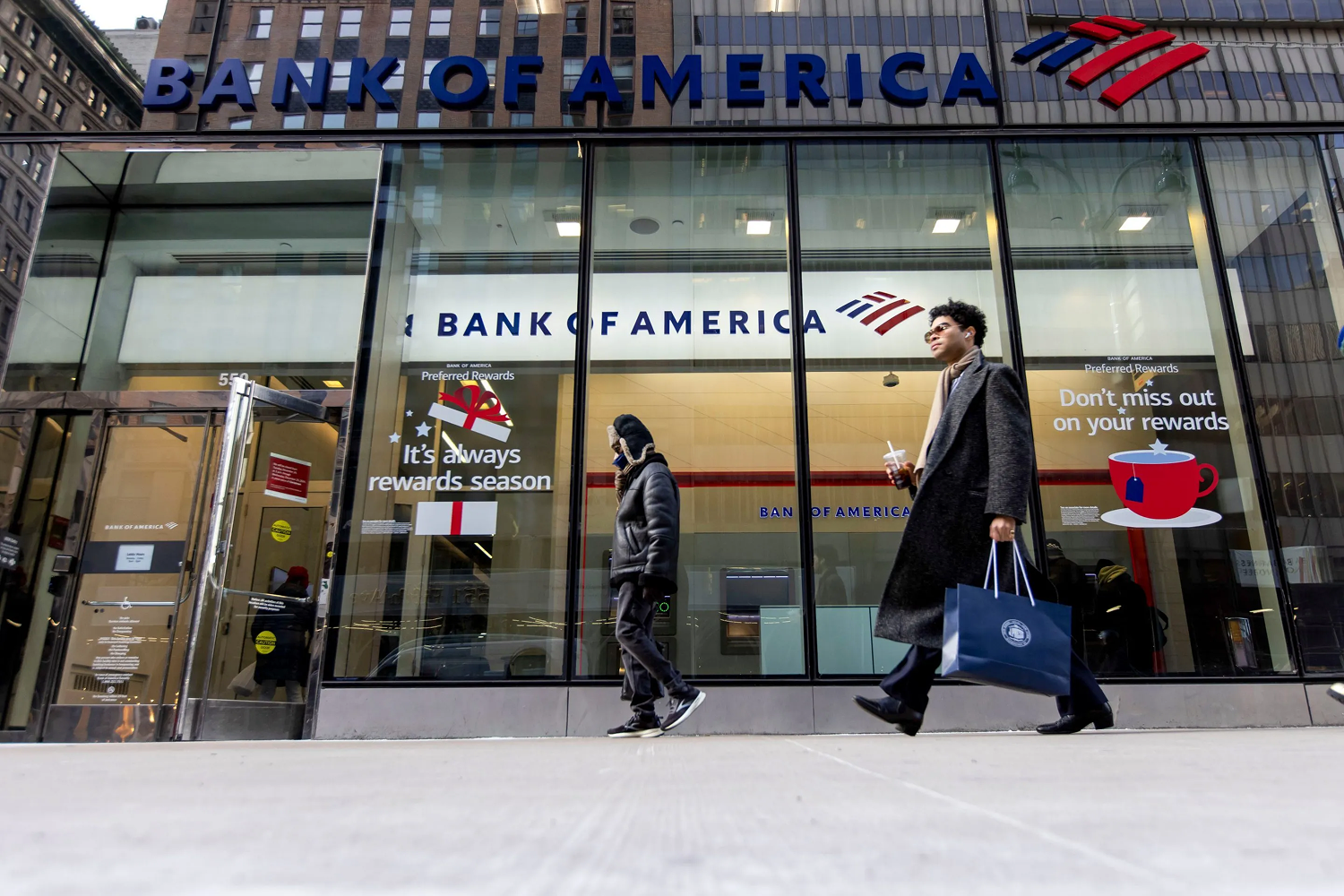
While Santander deals with regulatory attention, Bank of America’s decision to allow wealth advisers to recommend limited crypto exposure reflects another powerful trend in banking. Digital assets—once considered speculative—are gradually becoming part of diversified investment strategies for high-net-worth clients.
For banks and investors, this shift represents a new frontier. Institutions must balance innovation with risk management, ensuring that clients understand the volatility of crypto markets, the impact of interest rate changes on digital asset valuations, and the role of crypto within broader credit and deposit ecosystems.
Together, these two developments highlight the dual pressures facing global banks: maintaining strict governance while adapting rapidly to emerging technologies. As oversight intensifies and competition expands, banks that demonstrate operational integrity, digital resilience, and customer-centric innovation will be best positioned to grow.
Looking ahead, the intersection of regulation, credit markets, and digital assets will continue shaping banking strategies—affecting everything from mortgage offerings to long-term investment planning.
The recent moves by Santander and Bank of America illustrate how modern banking must balance trust with transformation. For consumers and investors, the key takeaway is clear: strengthen your financial literacy, understand how banks manage risk, and pay attention to how regulatory and technological changes influence your deposits, loans, and long-term investment strategies. The future of banking will belong to institutions that can innovate responsibly while maintaining the confidence of the public and the markets.

 Or Sushan
-
December 27, 2025
Or Sushan
-
December 27, 2025
 Or Sushan
-
December 27, 2025
Or Sushan
-
December 27, 2025
 Or Sushan
-
December 27, 2025
Or Sushan
-
December 27, 2025
 Or Sushan
-
December 26, 2025
Or Sushan
-
December 26, 2025