Key Takeaways
-
Wells Fargo lowered its Clorox price target to reflect more conservative 2026 staples assumptions, not a deterioration in fundamentals.
-
Earnings resilience and dividend sustainability remain intact despite near-term revenue contraction.
-
Inventory normalization and system upgrades explain recent volatility rather than demand weakness.
-
For defensive portfolios, Clorox remains about capital preservation and income, not re-rating upside.
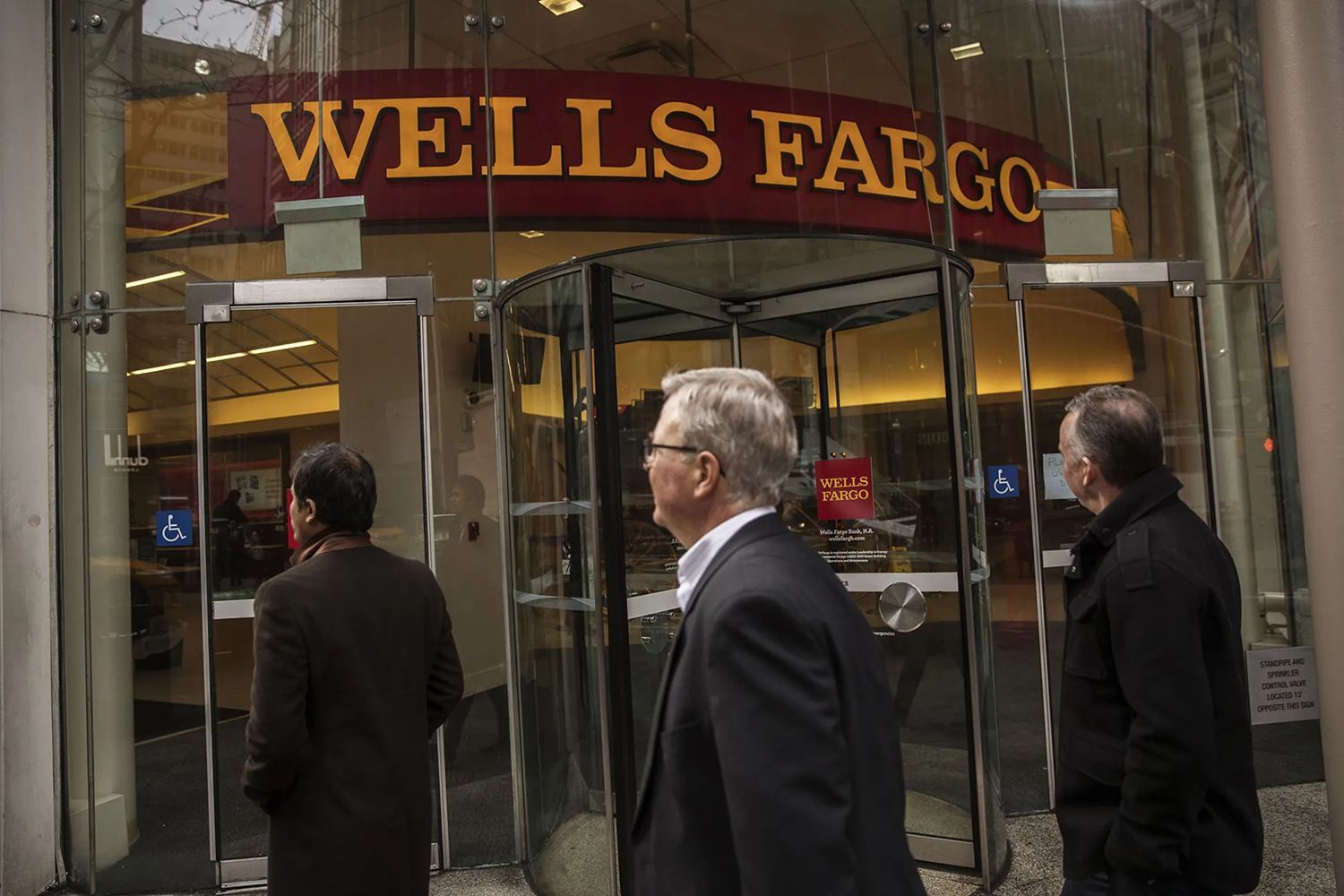
Wells Fargo reduced its price target on The Clorox Company to $108 from $117 on January 5, maintaining an Equal Weight rating as it rolled updated assumptions across Beverage, Food, and Home & Personal Care into its 2026 models.
The adjustment reflects a broader recalibration of consumer staples expectations rather than a company-specific setback. In short, Clorox is being re-priced for normalization, not punished for execution.
Earnings Quality Holds, Despite Revenue Compression
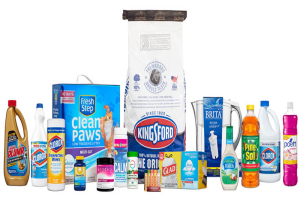
Clorox delivered a stronger-than-expected first quarter in November, with adjusted EPS of $0.85 versus consensus estimates of $0.79. Demand for cleaning and hygiene products remained firm, underscoring the brand’s defensive characteristics even as top-line figures appeared volatile.
Reported revenue declined 19% year-on-year to $1.43 billion, but still exceeded expectations. Management had already guided to lower shipments as retailers adjusted inventory ahead of Clorox’s internal system upgrade. That distortion was temporary and well-telegraphed — an important distinction for long-term capital allocators.
Outlook: Stability Over Growth
Management reaffirmed full-year guidance, projecting sales to decline 6%–10% with adjusted earnings in the $5.95–$6.30 range. While uninspiring from a growth perspective, the outlook reinforces predictability — a key attribute for conservative portfolios.
From an income lens, Clorox remains credible. The dividend payout ratio of roughly 72% of forward earnings sits within a manageable range, supported by a strong balance sheet and consistently high returns on invested capital. Longer term, management continues to target 3%–5% annual sales growth, sufficient to sustain dividend progression rather than accelerate it.
The “So What?” for Capital Allocators
For high-net-worth investors, the Clorox reset is less about price targets and more about portfolio role. This is not a vehicle for aggressive upside or thematic exposure. It is a defensive holding designed to preserve capital, generate income, and dampen volatility during uncertain cycles.
Wells Fargo’s revised target simply acknowledges that, heading into 2026, consumer staples are unlikely to command premium multiples absent a clear growth catalyst. Clorox remains steady — but fully understood.
Bottom Line: Clorox continues to earn its place in conservative, income-oriented allocations. Expectations, however, should be calibrated toward stability and yield rather than capital appreciation.
For a confidential discussion on positioning defensive consumer staples within a global wealth structure, contact our senior advisory team.