Finance
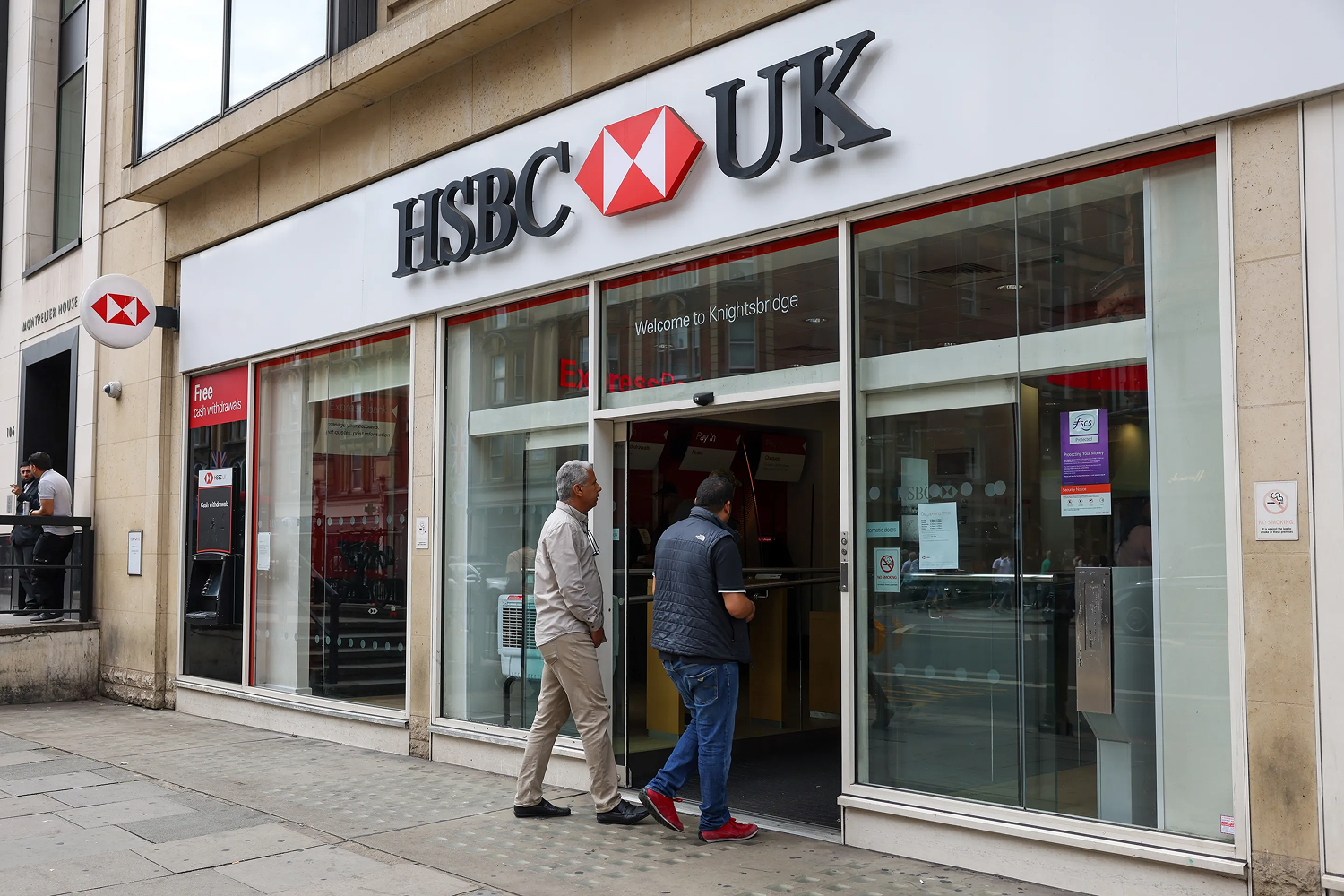
HSBC’s agreement to settle a €300 million tax dispute with French authorities underlines the persistent compliance and operational challenges for banks with cross-border footprints. Although this figure represents a modest proportion of HSBC’s balance sheet, it reflects the enduring scrutiny on multinational operations in jurisdictions with complex tax regimes. For HNWI with European holdings or cross-border accounts, such developments underscore the need to evaluate the potential downstream effects on liquidity, transactional efficiency, and reputational exposure. Meanwhile, JPMorgan’s assumption of the Apple Card business from Goldman Sachs highlights a reshaping of U.S. consumer credit infrastructure, which indirectly impacts international clients leveraging fintech-driven digital payment platforms and cross-border credit facilities.
From a strategic perspective, HSBC’s settlement is a reminder that regulatory and tax exposures can have subtle operational consequences even for high-tier banking clients. Delays in processing cross-border transfers, enhanced due diligence requirements, or shifts in risk appetite may affect HNWI liquidity planning. For families and executives with diversified holdings, Swiss institutions continue to offer a buffer: their stringent compliance frameworks, paired with a predictable regulatory environment, mitigate operational volatility and maintain discretion. The settlement further reinforces the importance of assessing counterparty resilience, particularly when corporate clients or family offices hold multi-jurisdictional accounts involving large cash flows or structured investments.
JPMorgan’s move to acquire Apple Card operations from Goldman Sachs illustrates an emerging consolidation in digital consumer finance that can influence the cross-border wealth landscape. HNWI who utilize fintech-enabled credit lines or maintain exposure to U.S. payment platforms may experience subtle shifts in service integration, data management, or credit access. Understanding these operational realignments is crucial for maintaining efficiency and protecting privacy across international banking structures. The transaction also highlights a broader trend: large U.S. banks are consolidating digital portfolios to optimize regulatory compliance, infrastructure scalability, and client service—considerations directly relevant for globally mobile families with complex asset structures.
For HNWI, the synthesis is clear: operational certainty, capital preservation, and regulatory insulation remain paramount. Swiss private banks in Zurich and Geneva provide predictable governance, streamlined cross-border payment capabilities, and robust reporting standards. Monitoring developments in high-profile jurisdictions like France and the U.S., assessing counterparty resilience, and integrating private banking structures that can absorb external shocks are essential for preserving wealth and legacy. Leveraging these institutions’ discretion and stability ensures that high-net-worth portfolios remain insulated from transactional, reputational, or regulatory volatility abroad.
For a confidential discussion regarding your cross-border banking structure, and how to navigate evolving international regulatory and operational risks, contact our senior advisory team for a strategic review tailored to your global portfolio.

 Or Sushan
-
January 9, 2026
Or Sushan
-
January 9, 2026
 Or Sushan
-
January 9, 2026
Or Sushan
-
January 9, 2026
 Or Sushan
-
January 8, 2026
Or Sushan
-
January 8, 2026
 Or Sushan
-
January 8, 2026
Or Sushan
-
January 8, 2026