Investors
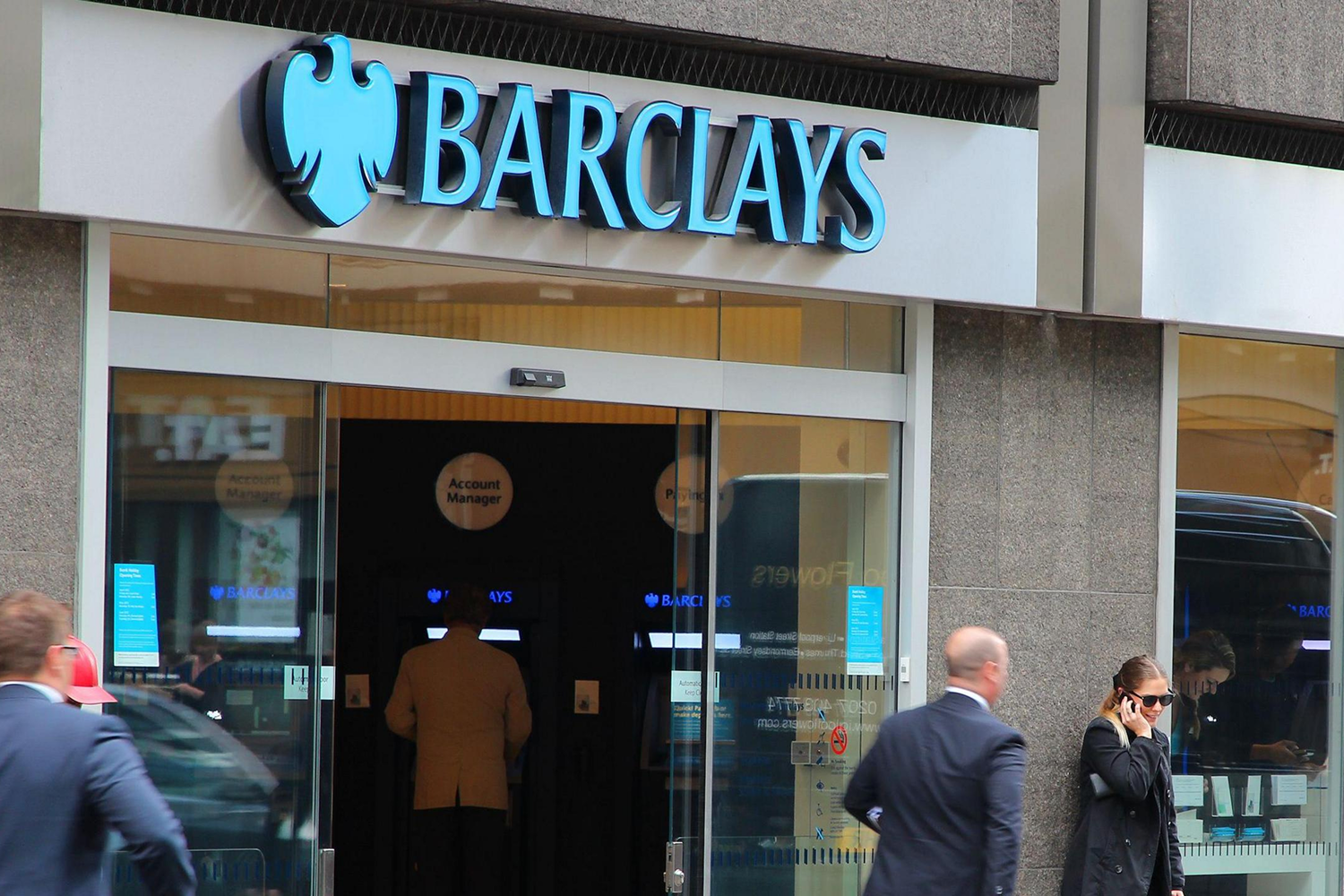
HSBC’s decision to pursue a bankruptcy petition against the Barclay brothers represents a notable moment in the intersection of private wealth, leverage, and institutional risk management. When a global systemically important bank initiates such action, it signals more than a bilateral dispute—it reflects broader shifts in how financial institutions enforce credit discipline.
As one of the world’s most prominent banking institutions, HSBC typically favors negotiated solutions over public legal escalation. The choice to file a bankruptcy petition suggests that tolerance for prolonged restructuring discussions may be diminishing, particularly in an environment of elevated funding costs and tighter regulatory scrutiny.
For sophisticated observers, this move illustrates how banks are reassessing legacy exposures and prioritizing balance-sheet certainty over relationship preservation.
The Barclay brothers’ situation highlights the complex dynamics that can arise when highly leveraged private structures intersect with institutional lenders. While private wealth often benefits from bespoke arrangements, those structures are increasingly subject to standardized risk frameworks as banks respond to regulatory pressure and capital efficiency demands.
HSBC’s action reinforces the message that scale and legacy alone do not exempt borrowers from enforcement when credit terms are no longer sustainable.
For HNWIs, this episode serves as a reminder that leverage must be aligned with long-term cash-flow resilience and transparent governance. Counterparty behavior can change rapidly when market conditions shift, especially among global banks managing diverse regulatory obligations.
Looking ahead, investors and wealth holders should monitor how financial institutions handle stressed exposures and what this implies for private credit availability. In a more disciplined lending environment, clarity, flexibility, and proactive balance-sheet management are becoming essential safeguards.
For a confidential discussion regarding leverage, banking relationships, and cross-border structuring in today’s tightening credit landscape, contact our senior advisory team.

 Or Sushan
-
January 8, 2026
Or Sushan
-
January 8, 2026
 Or Sushan
-
January 8, 2026
Or Sushan
-
January 8, 2026
 Or Sushan
-
January 8, 2026
Or Sushan
-
January 8, 2026
 Or Sushan
-
January 8, 2026
Or Sushan
-
January 8, 2026