Finance
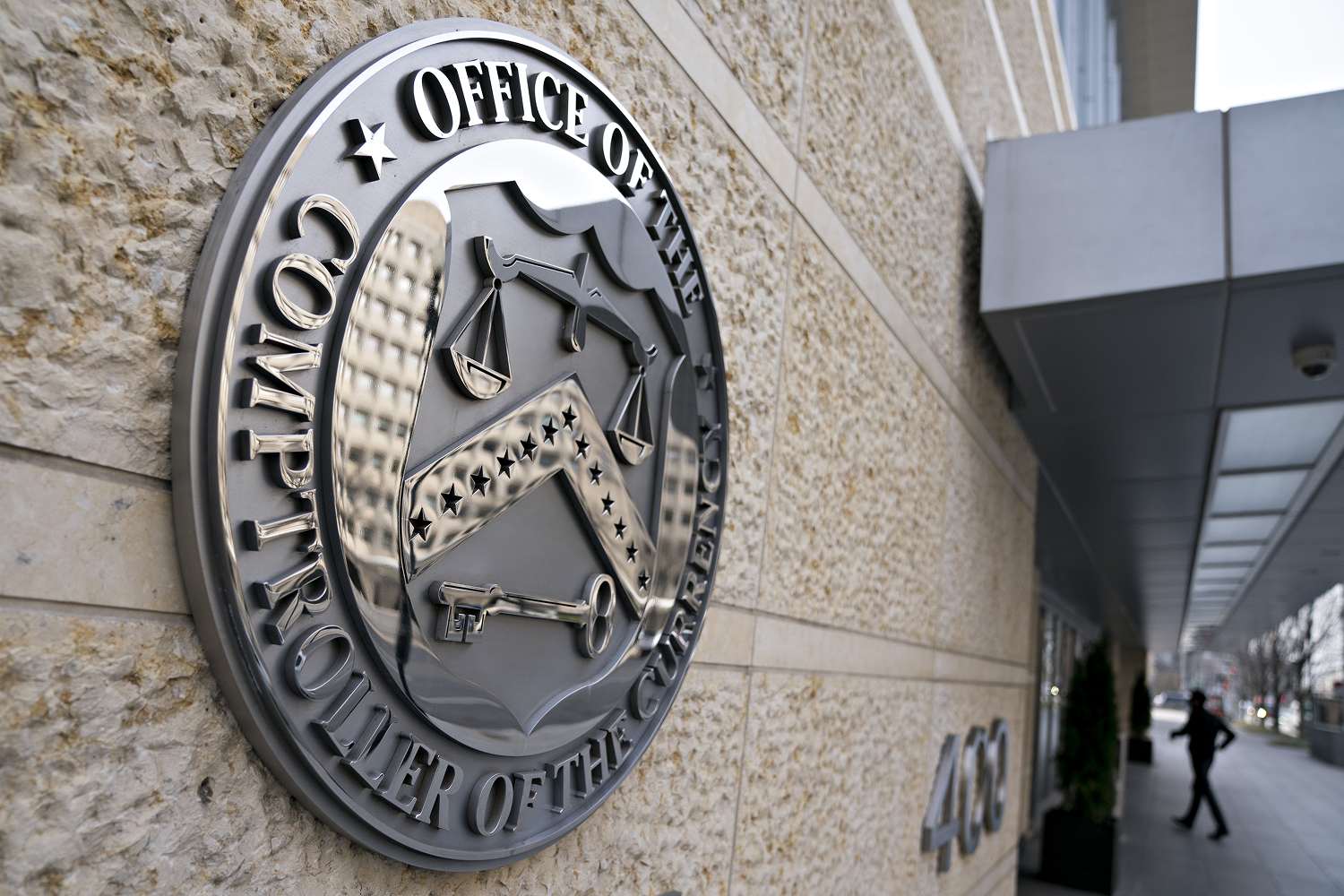
The U.S. Office of the Comptroller of the Currency (OCC) has raised concerns over unfair “debanking” practices at several major U.S. banks, prompting renewed scrutiny of how financial institutions decide to terminate customer relationships. At the same time, UK-based Starling Bank is reportedly assessing acquisition opportunities to expand its lending capacity. These developments shed light on how regulatory oversight and competitive pressure are reshaping the way banks manage credit, customer access, and digital growth.
“Debanking” refers to situations where banks close customer accounts—sometimes abruptly—due to risk concerns, compliance requirements, or internal policy decisions. While banks are obligated to prevent fraud and adhere to anti-money-laundering rules, the OCC notes that customers have increasingly complained about account closures without transparent explanation.
This issue matters to the public because many rely on basic services such as a checking account, deposit, or mortgage access to manage daily life. When accounts are closed suddenly, customers may lose access to essential banking tools, disrupt bill payments, or face delays in receiving loans or credit approvals. Regulators want banks to ensure fair treatment and clearer communication, especially as more banking activity moves to digital banking platforms.
A lack of transparency in account closures can create uncertainty for individuals and small businesses. For households, losing access to a checking account can make it harder to receive wages, pay rent, or secure a mortgage. For businesses, disruptions in payment processing or loss of credit lines may harm cash flow.
Better communication and standard procedures can help protect customers while still allowing banks to manage risk. As digital banking expands, institutions must balance convenience with robust compliance systems to ensure customers are not unfairly excluded from essential services.
Across the Atlantic, Starling Bank’s interest in acquiring another lender underscores rising competition in digital banking. To expand its lending book, the bank may seek a company that offers strong credit portfolios or specialized financial services. Such an acquisition could allow Starling to scale its business, diversify revenue, and offer more competitive interest rates on savings, deposits, and loans.
For customers, this could mean more digital-first choices for both personal and business credit. As challenger banks expand, they push traditional institutions to improve technology, reduce fees, and streamline services.
The OCC’s focus on debanking and Starling’s expansion strategy both reflect a financial sector in transition. Regulatory expectations are rising, and competition from digital banks continues to accelerate. How banks respond will influence customer experience, pricing, and long-term credit availability.
Closing Insights: As oversight increases, banks must strike a balance between risk management and fair access to services. Clearercommunication, stronger digital tools, and improved transparency will define the next phase of consumer banking. Meanwhile, competition from digital-first institutions like Starling Bank is likely to drive innovation, more efficient loan processes, and better savings options for customers.
 Or Sushan
-
December 24, 2025
Or Sushan
-
December 24, 2025
 Or Sushan
-
December 24, 2025
Or Sushan
-
December 24, 2025
 Or Sushan
-
December 23, 2025
Or Sushan
-
December 23, 2025
 Or Sushan
-
December 23, 2025
Or Sushan
-
December 23, 2025