Finance
RBC sees a structural shift toward “risk-on” foreign capital into Canada, driven by infrastructure, energy and defense investment.
Management reaffirmed a CET1 operating band of 12.5%–13.5%, with excess capital earmarked for share buybacks.
Multiple levers U.S. returns, mortgage margins, capital markets and efficiency underpin a path to higher, sustainable ROE without raising risk appetite.
Royal Bank of Canada CEO Dave McKay struck a notably constructive tone on Canada’s medium- to long-term outlook during a fireside chat at the 2026 RBC Canadian Bank CEO Conference, framing the environment as one where disciplined risk-taking, capital deployment and execution can lift returns even as valuations rise.
His remarks came against a backdrop of higher expectations for Canadian banks, with sector valuations now sitting meaningfully above recent historical averages — a reality McKay acknowledged while emphasizing bank-specific drivers rather than macro optimism alone.
McKay said he is seeing a shift in how global investors view Canada, calling it the first period in his tenure marked by a broad “risk-on” stance toward the country. He linked that change to what he described as a more ambitious national investment cycle, citing large-scale spending on defense, infrastructure, energy, mining and transportation.
While housing activity remains subdued, McKay said Canadian consumers have shown resilience by redirecting cash flow toward services and consumption. That shift has supported employment and stabilized credit conditions, even as construction and presales remain soft.
Within RBC’s own operations, he highlighted high single-digit growth in commercial lending, strong deposit inflows, constructive capital markets activity and robust trading performance in volatile markets such as FX, macro and credit.
On capital management, McKay reiterated RBC’s framework of operating within a 12.5%–13.5% CET1 ratio, with capital above that range returned to shareholders through buybacks. He emphasized that the band balances capital efficiency with growth optionality, allowing RBC to deploy capital quickly if strategic opportunities emerge without carrying excess buffers at all times.
McKay noted that RBC’s earnings power enables it to generate roughly 80 basis points of capital net of dividends, reinforcing flexibility around buybacks, organic growth and selective investments.
He also addressed return metrics directly, suggesting RBC could theoretically run at much higher ROE levels but would do so at the expense of growth — a trade-off management is unwilling to make.
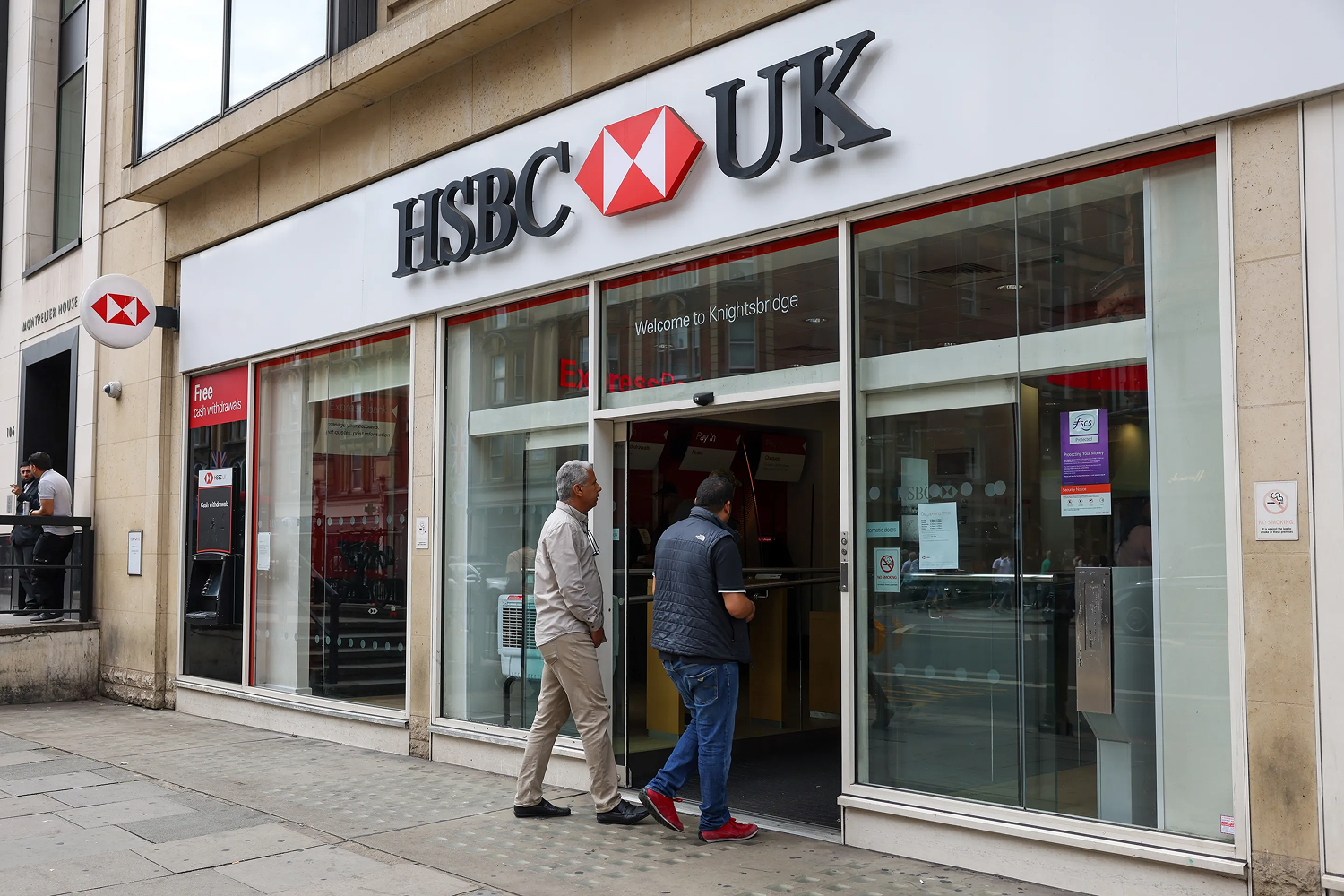
McKay outlined several operational levers expected to support returns over time. Improving performance in RBC’s U.S. platform, including City National, remains a priority after having weighed on group ROE. He also pointed to execution on the HSBC integration, revenue opportunities across wealth and asset management, and continued strength in advisory and capital markets.
Mortgage margins, which have experienced what he called the most severe compression in RBC’s history, are another potential tailwind. Given the scale of the bank’s mortgage book, even modest margin normalization could meaningfully lift profitability.
Efficiency gains and technology investment also feature prominently. While not framed as a short-term catalyst, McKay described artificial intelligence as a long-term force multiplier, with RBC already deploying advanced models across multiple business lines.
Despite the optimistic tone, McKay was clear that RBC is not increasing its risk appetite to chase returns. Credit and cyber security remain the two dominant risks, particularly given geopolitical uncertainty, trade disputes and uneven household affordability.
He also acknowledged structural headwinds, including higher taxes linked to global minimum tax rules and longer-term concerns around government debt levels, particularly in the U.S.
On mergers and acquisitions, McKay struck a cautious stance, stressing that any large transaction would need to earn back to RBC’s ROE targets. Opportunistic deals in U.S. wealth management remain possible, but he emphasized selectivity over scale.
McKay’s comments reinforced a message likely to resonate with long-term investors: RBC’s path to higher returns is grounded in execution, capital discipline and selective growth rather than elevated risk-taking. In an environment where valuations already embed optimism, management is focused on controllable levers that can sustain ROE and shareholder returns through the cycle.
For investors assessing Canada’s largest bank in 2026, the takeaway is clear — RBC is positioning itself to benefit from a more constructive investment climate while keeping capital, risk and growth in balance.

 Or Sushan
-
January 9, 2026
Or Sushan
-
January 9, 2026
 Or Sushan
-
January 9, 2026
Or Sushan
-
January 9, 2026
 Or Sushan
-
January 9, 2026
Or Sushan
-
January 9, 2026
 Or Sushan
-
January 8, 2026
Or Sushan
-
January 8, 2026