Business
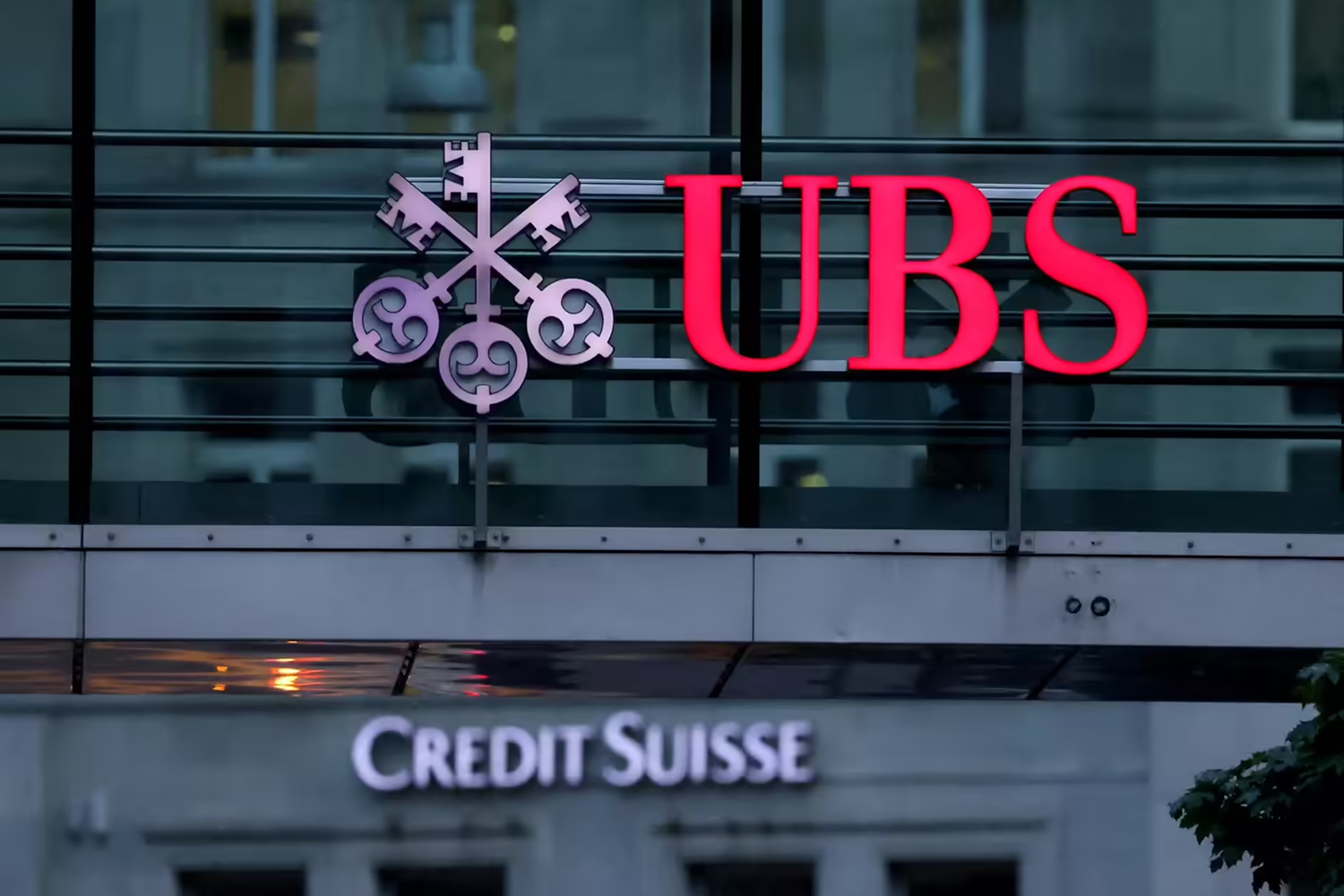
Global investment banks are entering a transitional phase as trading volumes in equities, fixed income, and derivatives markets show early signs of moderation. Market participants cite tightening monetary conditions, reduced macro-driven volatility, and compressed arbitrage opportunities as key factors. For HNWI clients whose wealth structures interface with Swiss and international institutions, these dynamics have direct implications for asset accessibility, product innovation, and counterparty resilience.
Swiss private banks maintain diversified revenue models, but trading activity continues to underpin liquidity provision, structured product creation, and proprietary hedging for high-net-worth clients. A projected contraction in trading volumes—estimated at 10–15% year-over-year across major equity and bond markets—places pressure on banks reliant on spreads and fees from transactional flow.
Zurich and Geneva banks are responding by rebalancing their operations toward recurring fee income, including discretionary mandates, family office advisory, and multi-jurisdictional wealth planning. For clients, the “so what” is clear: the health of trading desks affects not only execution costs but also the availability of sophisticated investment solutions. Banks with concentrated trading risk may reduce capital allocation for structured notes or cross-asset strategies, indirectly affecting client opportunities and portfolio agility.
For HNWI families, indirect exposure to investment bank trading activity emerges through structured products, credit facilities, and private fund co-investments. Reduced trading revenue can prompt internal capital repricing or hedging recalibration, creating liquidity and execution variability. Monitoring internal bank capital buffers, Tier 1 capital ratios, and risk-weighted assets is therefore essential.
Furthermore, cross-border families should consider operational resilience. Banks with multi-jurisdictional operations and established internal risk governance—common in top-tier Zurich and Geneva institutions—are better positioned to absorb trading revenue fluctuations without compromising client service, particularly in discretionary and multi-currency mandates.
The trading slowdown reinforces the value of diversified wealth structures. For HNWI clients, reliance on banks with multi-layered revenue models—where trading desks support but do not dominate profitability—reduces exposure to cyclical volatility. Portfolios should be stress-tested for liquidity, counterparty concentration, and sensitivity to fee repricing, particularly in bespoke credit and structured products.
Behavioral insights indicate that investors increasingly favor predictability over speculative upside in low-volatility environments. Swiss banks with robust research, alternative investment sourcing, and white-glove advisory services are positioned to translate trading moderation into client advantage, offering stability and clarity for multi-generational wealth planning.
As trading activity moderates, HNWI families should proactively engage with their private banks to reassess exposure across discretionary mandates, structured products, and counterparty concentration. Swiss institutions with transparent balance sheets, resilient capital structures, and cross-border operational depth provide not only transactional efficiency but also continuity under evolving market conditions.
For a confidential discussion regarding your Swiss and international wealth structures in the context of trading-driven revenue dynamics, contact the SKN CBBA senior advisory team.

 Articles
-
December 23, 2025
Articles
-
December 23, 2025

 Or Sushan
-
December 23, 2025
Or Sushan
-
December 23, 2025
 Or Sushan
-
December 22, 2025
Or Sushan
-
December 22, 2025
 Or Sushan
-
December 22, 2025
Or Sushan
-
December 22, 2025