
Business
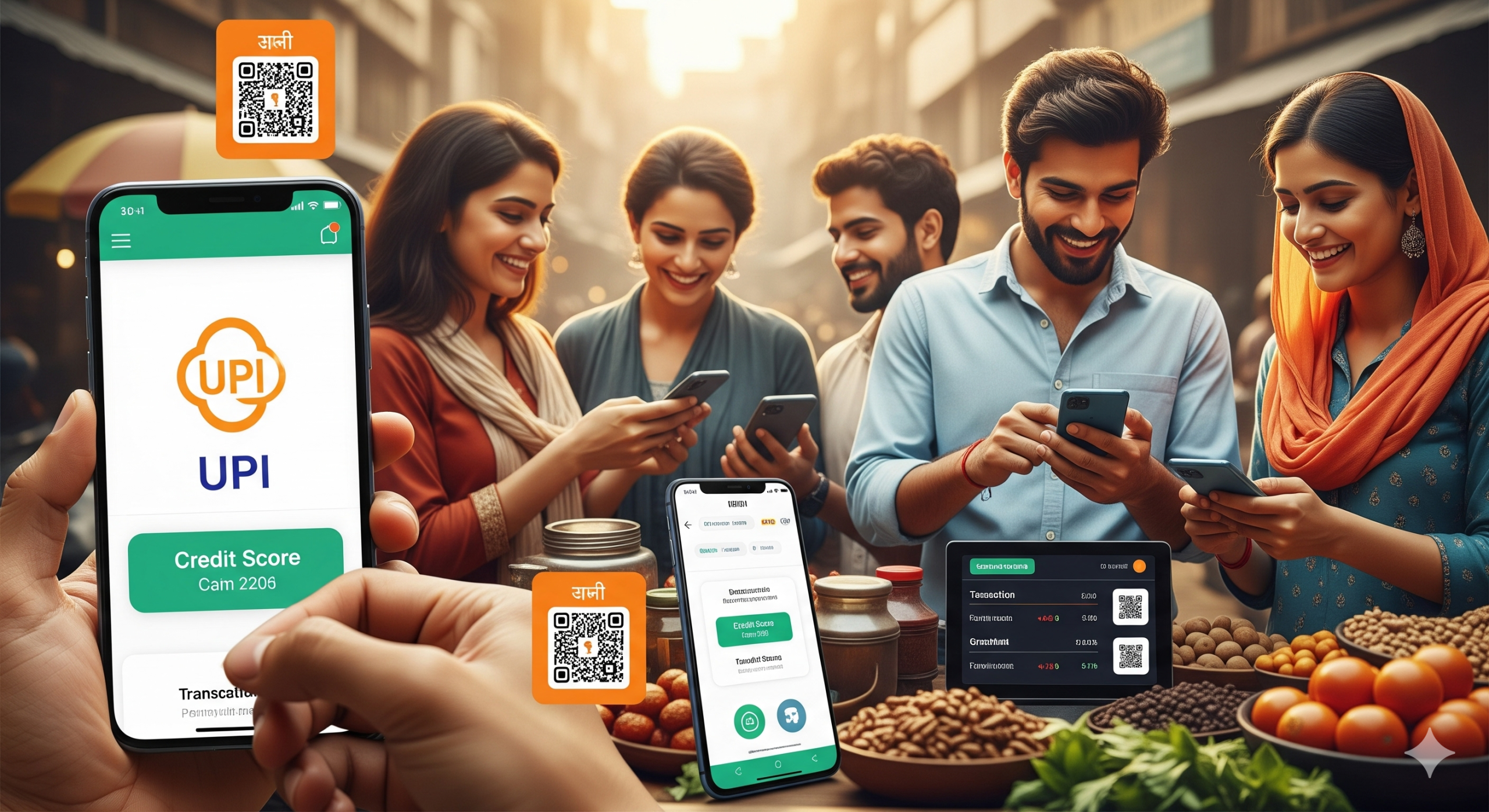
India is reshaping credit access using its Unified Payments Interface (UPI), linking digital payments to loans. This model offers insights into how technology can drive inclusion.
UPI is a mobile-based payments infrastructure enabling instant transfers between bank accounts. It handles over 600 million daily transactions and forms the core of India’s digital finance ecosystem.
UPI now allows banks to link credit lines — backed by assets like gold, property, or fixed deposits — directly to user wallets. This empowers small businesses and unbanked populations to access loans seamlessly for payments or withdrawals.
While digital infrastructure enables low-cost lending, many banks need platform upgrades. Regulators are cautious due to concerns over unsecured lending surges. Privacy worries also surfaced as some states sought UPI transaction data for tax enforcement, leading to vendor resistance.
UPI demonstrates how payments infrastructure can bridge credit gaps. Scaling such models could reshape access globally, provided robust underwriting and regulatory clarity accompany expansion.
Closing Insight
Economic Insight: Integrating payments with lending can lower credit friction and boost inclusion.
Professional Tip: Financial institutions should modernize systems and ensure ethical data use.
Forward Look: Expect more integrated financial platforms combining payments, checking accounts, credit, and insurance.
 Previous Post
 Digital Banking Trends in 2025: AI, Personalization, and Customer Experience
 Next Post
 AI Revolution in Banking: Efficiency, Risk, and Transformation

April 28, 2026

April 28, 2026

April 28, 2026

April 28, 2026
SKN | Rupee Liquidity Tightening in India: What Central Bank Intervention Signals for Cross-Border Capital Positioning
SKN | Escalating Institutional Losses in European Clearing Banks: Implications for Custody, Liquidity, and Capital Security
SKN | Political Risk and Banking Tensions in Europe: What It Means for Cross-Border Wealth Stability
 Optimized by Seraphinite Accelerator


