

Business
Digital banking has rapidly reshaped the way people and businesses interact with financial institutions. From checking accounts to mortgages, digital platforms now allow customers to access banking services anytime, anywhere. Understanding this shift is crucial for investors and consumers alike, as it directly affects how banks operate and compete in today’s financial landscape.
Digital banking refers to the use of online platforms and mobile applications to perform traditional banking activities, such as opening checking accounts, transferring funds, applying for loans, and managing deposits. Unlike conventional banking, customers no longer need to visit a branch for everyday transactions. This convenience has made digital banking an essential service, especially for younger generations and tech-savvy consumers.
Digital banking is not only about convenience—it also offers enhanced transparency and security features. Through digital platforms, banks can monitor transactions in real time, detect fraud, and provide instant notifications to account holders, ensuring both safety and efficiency.
For individual customers, digital banking provides flexibility and control over finances. Online tools enable users to track spending, manage multiple accounts, and even apply for mortgages or personal loans without lengthy paperwork. Businesses, on the other hand, benefit from faster payments, integrated payroll systems, and more efficient cash flow management.
The rise of digital banking has also increased financial inclusion. Customers in remote areas or underserved regions can now access credit and deposit services previously unavailable to them. This expansion helps stimulate local economies and allows banks to reach new markets.
While digital banking offers advantages, it also challenges traditional banking models. Banks must invest in secure IT infrastructure, maintain regulatory compliance, and continuously innovate to retain customers. Competition has intensified as fintech startups offer specialized services such as peer-to-peer lending, instant payments, and AI-driven financial advice.
Interest rate management, credit evaluation, and mortgage approvals are increasingly influenced by digital analytics. Banks can use big data to personalize offers, assess loan risks, and optimize deposit and checking account services. However, they must balance technological innovation with robust cybersecurity and customer trust.
The growth of digital banking is reshaping the broader financial system. Faster loan approvals, real-time payments, and more efficient deposits contribute to economic liquidity. Meanwhile, digital transformation encourages banks to adopt sustainable practices, reduce operational costs, and support innovation in credit, mortgages, and other financial products.
Looking forward, digital banking is likely to integrate more AI tools, blockchain solutions, and open banking models. For investors and customers, this trend signals a future where banking is faster, smarter, and more inclusive, while still requiring careful oversight to mitigate risk.
Closing Insights:
Digital banking not only enhances accessibility and convenience for customers but also allows banks to improve efficiency, risk management, and service quality. Investors should pay attention to these technological trends, as they influence interest rates, loan performance, and credit accessibility. Overall, the evolution of digital banking points toward a more connected, agile, and inclusive financial ecosystem in the years ahead.
 Previous Post
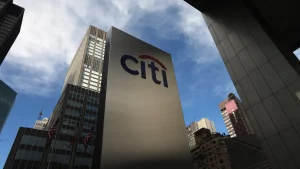
 Citi, BNY, UBS and Others See $8.3M in CFTC Penalties
 Next Post
 Digital Banking 2025: How Online Banking is Transforming Customer Experience and Finance

April 28, 2026

April 28, 2026

April 28, 2026

April 28, 2026
SKN | Morgan Stanley Raises Comcast Target as Q1 Results Signal Stabilizing Broadband Trends
SKN | Rupee Liquidity Tightening in India: What Central Bank Intervention Signals for Cross-Border Capital Positioning
SKN | Escalating Institutional Losses in European Clearing Banks: Implications for Custody, Liquidity, and Capital Security
 Optimized by Seraphinite Accelerator


