
Business
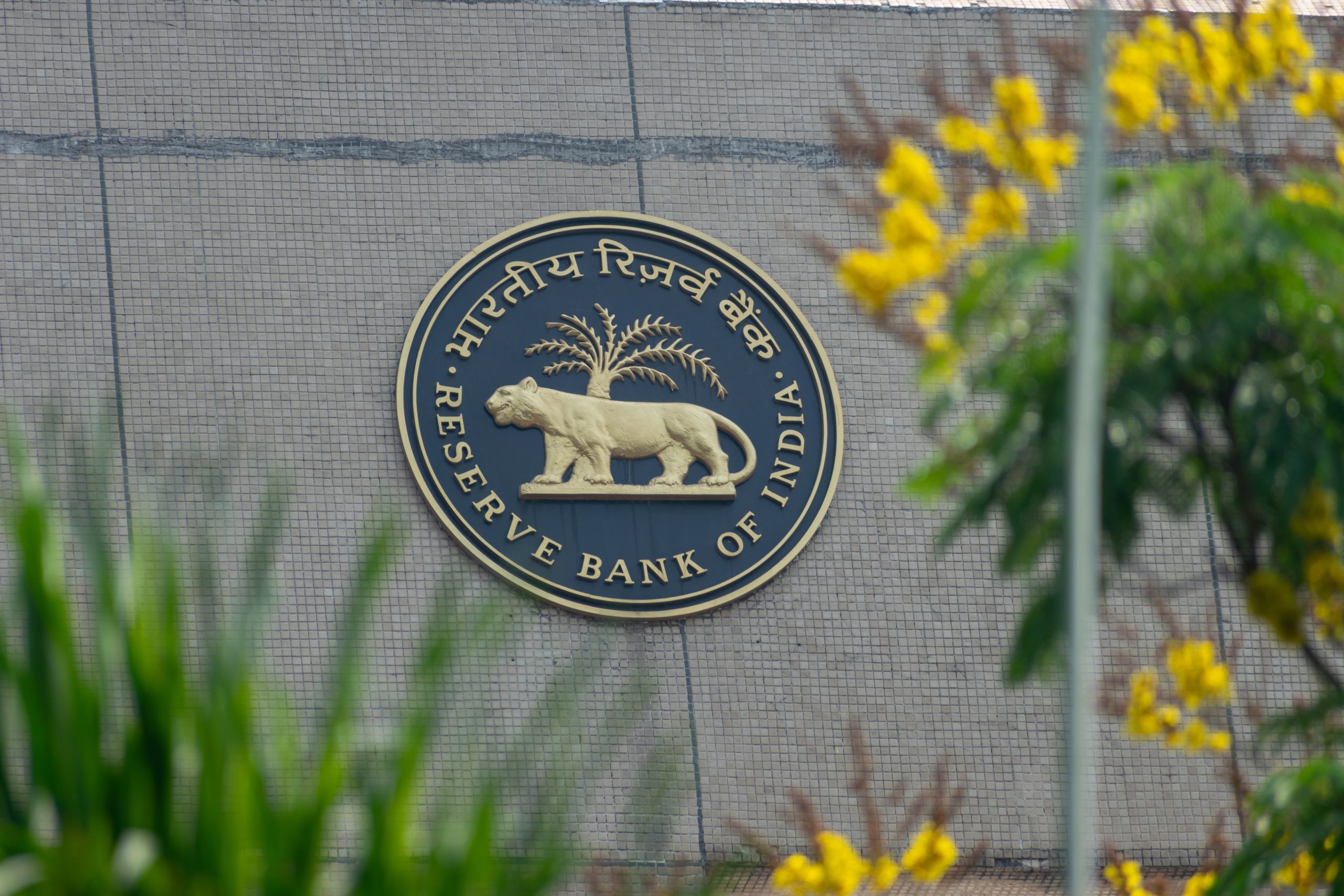
The Reserve Bank of India (RBI) is tightening regulations on the nation’s “shadow banking” sector, sparking concerns that this move could stifle lending and curtail economic growth. This is a critical issue for the public and investors, as these institutions are a vital source of credit for millions of consumers and small businesses across the country.
In simple terms, India’s shadow banks—officially known as Non-Banking Financial Companies (NBFCs)—are lenders that operate without a traditional banking license. They play a crucial role in the economy by providing credit and loans to individuals and small businesses who might not qualify for financing from mainstream banks. By offering everything from vehicle financing to personal loans, NBFCs fill a significant gap in the financial ecosystem.
The RBI’s new, stricter rules are designed to make NBFCs behave more like traditional banks, primarily to reduce financial risk. However, this clampdown is making it harder and more expensive for NBFCs to lend money. For everyday consumers, this could mean fewer approvals for a mortgage or higher borrowing costs on personal loans. Small businesses, which are the engine of India’s economy, are particularly vulnerable as they rely heavily on NBFCs for the capital needed to expand, hire, and manage daily operations. A credit crunch in this sector could lead to a significant economic slowdown.
This regulatory shift directly impacts the entire banking landscape. By aligning NBFCs with traditional banks, the RBI aims to create a more stable financial system and prevent the kind of crises seen in the past. While this enhances safety, it also erodes the competitive advantage of NBFCs. Traditional banks may not have the appetite to take on the riskier clients previously served by shadow banks, potentially creating a credit vacuum. This is forcing NBFCs to innovate, perhaps by investing more in digital banking solutions to lower operational costs. This could also affect the overall interest rate environment and the flow of funds from a deposit account or checking account into the broader credit market.
The RBI is currently walking a fine line, trying to balance the crucial need for financial stability with the risk of triggering a credit crunch that could stall India’s impressive growth trajectory. The outcome of this regulatory tightening will be a key factor in shaping the country’s economic future.
 Previous Post
 From Secrecy to Sustainability: A Decade of Transformation in Swiss Banking
 Next Post
 How Interest Rate Cuts Could Reshape the Banking Sector

April 28, 2026
April 28, 2026

April 28, 2026
April 28, 2026
SKN | Morgan Stanley Raises Comcast Target as Q1 Results Signal Stabilizing Broadband Trends
SKN | Rupee Liquidity Tightening in India: What Central Bank Intervention Signals for Cross-Border Capital Positioning
SKN | Escalating Institutional Losses in European Clearing Banks: Implications for Custody, Liquidity, and Capital Security
 Optimized by Seraphinite Accelerator


