

Investors
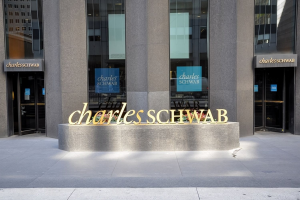
Charles Schwab recently reported $32.5 billion in net new assets during February, a figure that reinforces the firm’s continued success in attracting both individual investors and institutional clients to its financial platform.
For wealth managers and long-term investors, asset flows are more than a monthly statistic. They represent one of the most important indicators of platform competitiveness, client trust, and future revenue potential.
In Schwab’s case, sustained inflows signal that the firm remains a central pillar within the evolving U.S. wealth management landscape.
The modern brokerage and wealth management industry is increasingly driven by scale. Firms that can attract large volumes of client assets benefit from operating leverage, diversified revenue streams, and deeper client relationships.
Charles Schwab’s platform strategy integrates several key pillars:
This integrated model allows Schwab to capture value across multiple stages of a client’s financial lifecycle, reinforcing both retention and profitability.
One of the most important drivers of Schwab’s earnings model remains net interest revenue. Like many brokerage firms, Schwab generates significant income from the spread between client cash balances and the yields generated on those assets.
In periods of higher interest rates, this revenue stream becomes particularly powerful. However, it also introduces sensitivity to the broader monetary policy environment.
For investors evaluating Schwab’s outlook, the key variables include:
These factors collectively determine whether Schwab’s asset growth translates into sustained earnings expansion.
Following the latest asset data, several analysts have become increasingly constructive on Schwab’s revenue trajectory. Strong asset inflows combined with improving operating efficiency create conditions for enhanced margin performance over time.
For large financial platforms, even modest improvements in operating margins can produce significant earnings growth due to the scale of assets under management.
This dynamic explains why institutional investors often focus closely on net new asset growth as an early indicator of future profitability.
For high-net-worth investors and long-term equity allocators, the key question is not simply whether Schwab experienced a strong month of asset inflows. Instead, the more strategic consideration is whether the company’s platform dominance and operating model position it for sustained expansion in the global wealth management industry.
Structural trends continue to support firms like Schwab, including:
These forces suggest that large, scalable platforms may continue consolidating market share over the coming decade.
For sophisticated investors, Schwab’s recent asset surge serves as a reminder that in financial services, asset flows often precede earnings growth.
For a confidential discussion regarding your cross-border banking structure, contact our senior advisory team.
 Previous Post
 SKN | Citigroup’s Dubai Evacuation Raises Strategic Questions About Operational Risk in Global Banking
Next Post SKN | Bank of America Signals Caution: What the Latest Market Warning Means for Strategic Equity Allocations
September 8, 2026

September 8, 2026
September 7, 2026
September 6, 2026
 Optimized by Seraphinite Accelerator


