

Finance
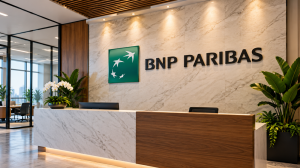
BNP Paribas’ European private credit push underscores a shift in capital allocation strategies among top-tier banks, reflecting both opportunity and prudence in the current macro-financial landscape. While US private credit markets grapple with rising rates, tighter regulation, and investor caution, European alternatives offer structured credit solutions with higher visibility into covenants and downside protection. Simultaneously, developments in China, including mandated reductions in banker compensation, highlight the increasing intersection between regulatory oversight and cross-border wealth management, especially for globally mobile clients.
As US credit markets experience strain, BNP Paribas is strategically pivoting to Europe, where private credit opportunities remain underpenetrated yet structured to balance yield and risk. For HNWI and Swiss bank clients, the appeal lies in senior-secured lending, mid-market direct loans, and bespoke credit instruments, which provide predictable income streams with capital protection mechanisms embedded in loan covenants. Zurich and Geneva-based private banks are actively evaluating exposure to these instruments, assessing counterparty strength, and ensuring alignment with clients’ liquidity and risk tolerance profiles.
China’s clampdown on banker pay represents more than a regulatory adjustment—it signals a broader policy stance emphasizing income equality and systemic oversight. For private banks with operations in Asia or HNWI clients with exposure to Chinese financial markets, these measures can influence talent retention, incentive structures, and long-term operational capacity. Swiss private banks are integrating these insights into client advisories, stressing the importance of monitoring regulatory developments in Asia, especially for executives or entrepreneurs whose liquidity strategies involve Chinese financial institutions or cross-border lending arrangements.
The convergence of European private credit expansion and Asian regulatory tightening underscores the need for a multi-layered approach to wealth preservation. Swiss private banks are leveraging their cross-border expertise to offer discretionary solutions: diversifying private credit allocations across European jurisdictions, structuring liquidity corridors independent of volatile US markets, and incorporating geopolitical intelligence into portfolio stress tests. For clients, the actionable insight is clear—capital preservation and operational resilience require a proactive, jurisdiction-aware approach, integrating European credit exposure while mitigating regulatory and market-driven risks in Asia.
Looking forward, HNWI and family offices should maintain close engagement with Swiss private bank advisors to reassess cross-border credit exposure, regulatory impact on compensation structures, and portfolio resilience. Key considerations include monitoring European lending standards, US rate volatility, and Asian regulatory policies that may affect global banking relationships. For clients prioritizing discretion, efficiency, and legacy preservation, strategic diversification across private credit markets, coupled with robust contingency planning, remains essential.
 Previous Post
 SKN | Navigating Escalating Geopolitical Tensions: Implications for Swiss Banking Clients with UAE Exposure
Next Post SKN | 🇳🇱 Netherlands: Strategic Insights for Cross-Border Banking and Wealth Preservation
October 16, 2026

October 16, 2026

October 16, 2026

October 16, 2026
SKN | BNP Paribas Highlights a New Era of Responsible Investing, ESG Standards, and Long-Term Capital Allocation
SKN | Airtel Money’s Potential $7 Billion IPO: What a Major London Listing Could Signal for Global Wealth
SKN | UBS Headquarters Uncertainty and Bank of America’s $1.2 Billion Fine: Two Risks Wealthy Clients Should Distinguish
 Optimized by Seraphinite Accelerator


