
Finance
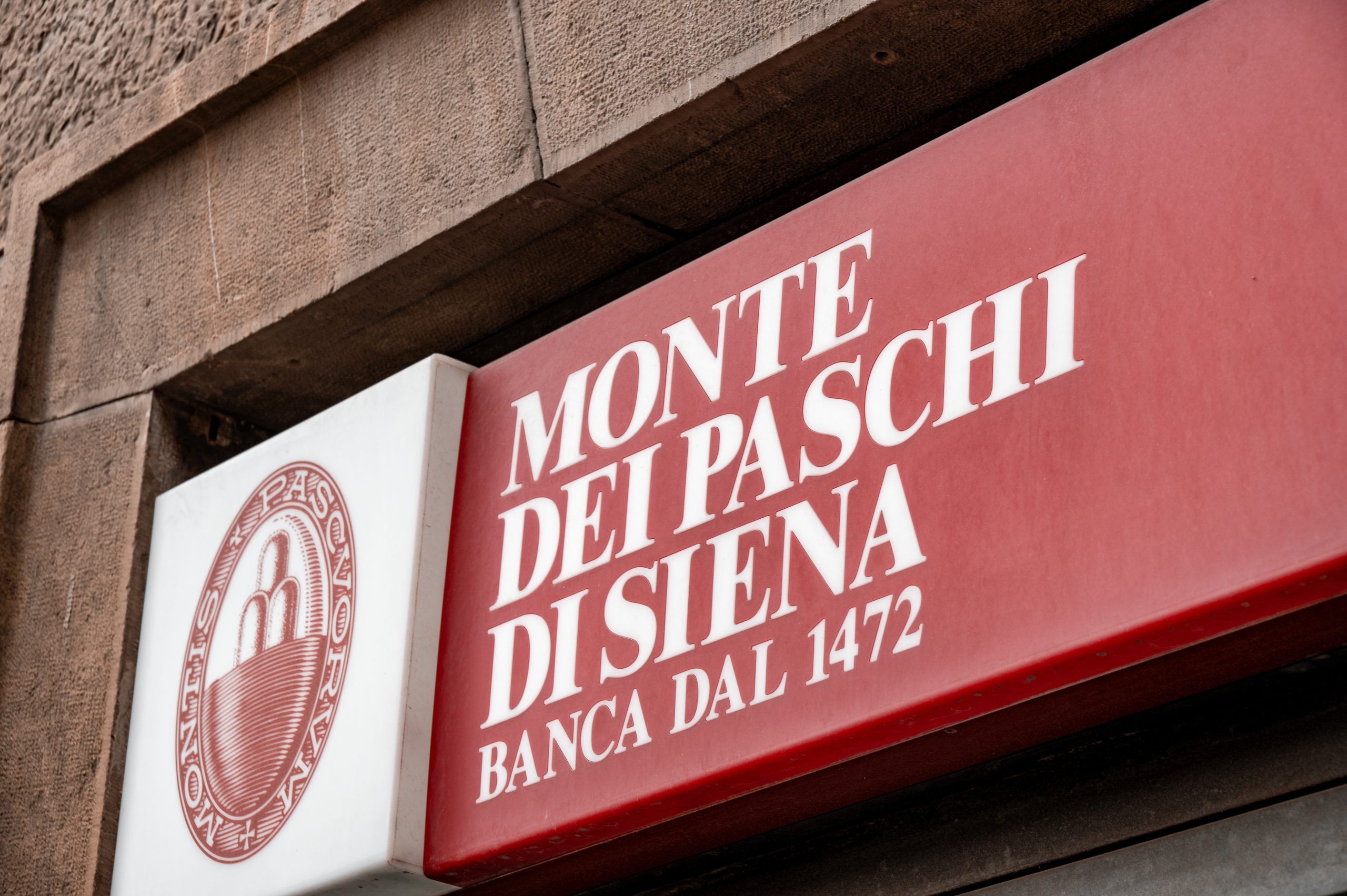
The convergence of two banking developments — shareholder support for a higher bid by Intesa Sanpaolo for Monte dei Paschi di Siena and UK banks pressing for lower capital requirements — illustrates a broader shift in European banking architecture. For HNWIs, the significance extends beyond Italian or British bank shares: consolidation and regulatory recalibration can change the risk profile, strategic direction and service capabilities of institutions that sit within a global wealth structure.
A higher Intesa bid for MPS would need to be assessed not simply as an acquisition transaction, but as part of the continuing consolidation of European banking. When a major bank absorbs another institution, clients can eventually face changes in product availability, relationship coverage, booking structures, technology platforms and risk policies.
For an entrepreneur or internationally mobile family, this makes legal-entity mapping important. A banking relationship should be evaluated according to the precise entity holding deposits, securities or credit facilities, rather than relying on the reputation of the wider banking group. A stronger parent does not automatically eliminate risks at the subsidiary or booking-centre level.
The UK banking industry’s push for lower capital requirements reflects a fundamental policy tension: banks want greater balance-sheet flexibility and international competitiveness, while regulators seek sufficient buffers against financial shocks. For private clients, this debate matters because capital requirements ultimately influence how banks price credit, allocate balance-sheet capacity and compete for wealthy clients.
Lower regulatory requirements do not necessarily mean weaker banks, just as higher requirements do not automatically make every institution safer. The more useful assessment is whether a bank maintains credible capital strength relative to its business model, liquidity needs, geographic exposure and risk appetite.
HNWI structures should distinguish between the brand, the parent company and the legal entity providing the service. This is particularly relevant when assets are held across Italy, the UK, Switzerland or other European jurisdictions. Deposit protection, insolvency treatment, creditor hierarchy and regulatory supervision can differ materially between entities.
Swiss private banks in Zurich and Geneva can serve as a central governance layer in such structures, while operating relationships elsewhere provide local currency access, corporate banking, lending or custody capabilities. The objective is not to eliminate European bank exposure, but to make it deliberate and transparent.
Bank consolidation can quietly increase concentration. Two institutions that appear independent at the relationship level may become part of the same group following a merger, acquisition or strategic restructuring. Families with substantial liquidity should therefore maintain a current map of banking groups, legal entities, currencies, custody arrangements and credit exposures.
This becomes particularly important where a private bank is also providing financing. A client may have deposits, securities custody and lending concentrated with one institution without immediately recognizing the combined exposure. A multi-bank architecture should be designed around functions, not simply around the number of bank logos on a statement.
The strategic advantage of a Swiss-centered structure is often strongest when Switzerland functions as the governance and wealth-management core rather than the only banking jurisdiction. Zurich and Geneva can provide continuity, consolidated oversight and sophisticated wealth-planning capabilities, while selected European relationships serve specific operating requirements.
For HNWIs, the practical response to European consolidation and regulatory change is a periodic counterparty review: identify which legal entities hold assets, measure concentration by group and jurisdiction, test liquidity access, and confirm that succession and reporting structures remain aligned with the family’s long-term objectives.
For a confidential discussion regarding your cross-border banking structure, counterparty diversification and Swiss wealth-management architecture, contact our senior advisory team.

October 6, 2026

October 6, 2026

October 6, 2026

October 5, 2026
SKN | India’s Push for Advanced AI Access: What the Next Technology Shift Means for Global Wealth Structures
SKN | Beyond the A7 Lesson: Why More AML Spending Is Not Enough for Global Banking Resilience
SKN | HSBC Bangladesh Dispute: What a Local Legal Challenge Reveals About Global Banking Risk
 Optimized by Seraphinite Accelerator


