Business
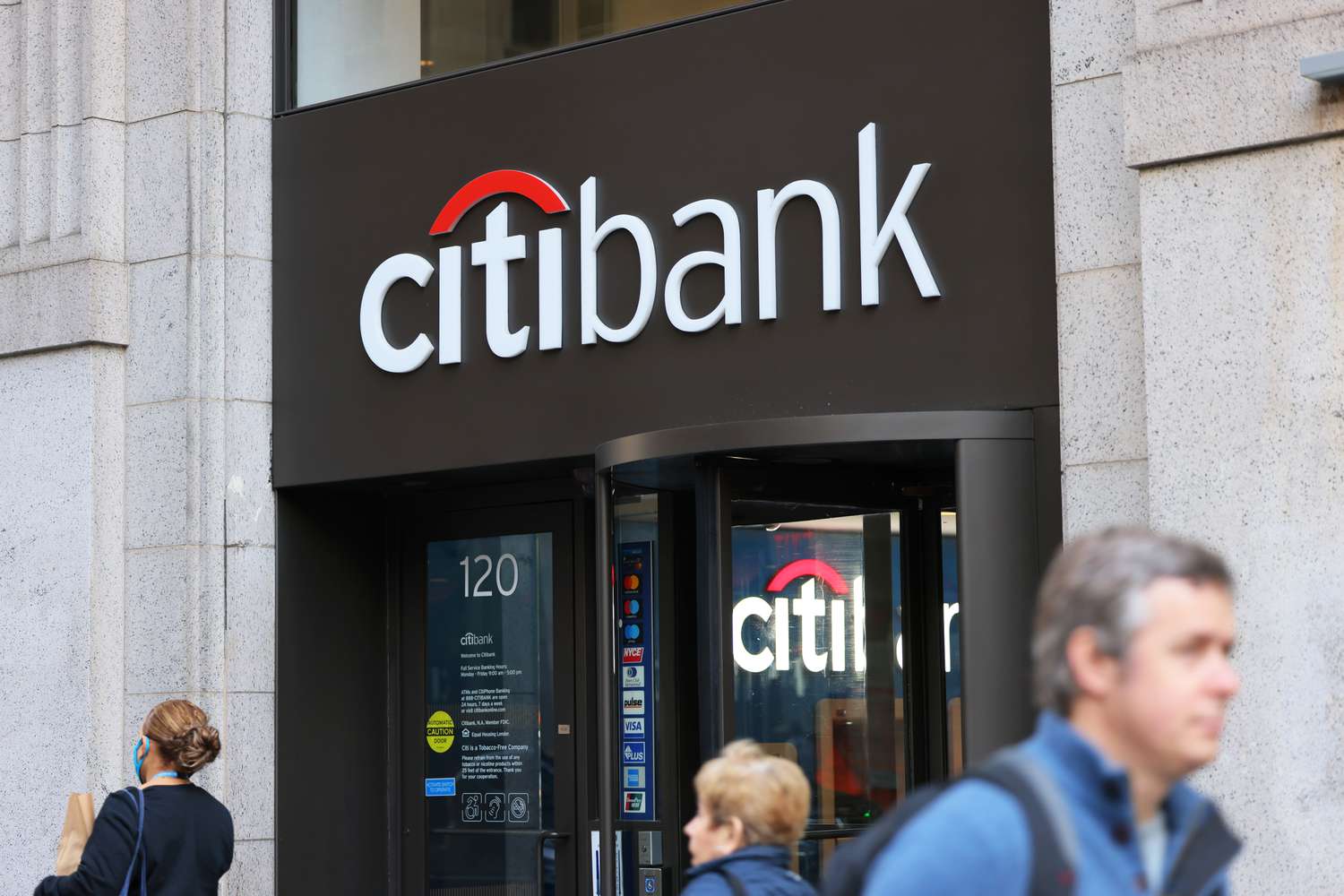
Citigroup has appointed CEO Jane Fraser as its new chair, a move that consolidates leadership as the U.S. banking giant pursues a major restructuring. The announcement coincides with the London Stock Exchange Group (LSEG) selling a 20% stake in its post-trade business to a consortium of global banks — signaling evolving alliances between traditional finance and market infrastructure.
Fraser, who became Citigroup’s CEO in 2021, now adds the chairmanship to her responsibilities. The move reflects board confidence in her vision to simplify Citi’s sprawling structure, reduce risk-weighted assets, and focus on core markets.
Citi has been under pressure to boost efficiency and shareholder returns. The bank’s new leadership structure aims to accelerate decision-making and strengthen accountability. Fraser’s dual role also reinforces her influence as the firm navigates digital banking competition and interest rate volatility across global markets.
Meanwhile, the London Stock Exchange Group agreed to sell a 20% stake in its post-trade clearing unit (LCH) to a syndicate including JPMorgan, Goldman Sachs, and BNP Paribas. The deal, valued at around $1 billion, enhances collaboration between market operators and major clearing members at a time when regulatory capital rules are reshaping the derivatives ecosystem.
By distributing ownership, LSEG aims to secure long-term client alignment and maintain growth in global clearing services.
The twin announcements highlight a period of transformation in global banking — from governance consolidation at major institutions to strategic partnerships that blur lines between exchanges, clearing houses, and banks.
For investors, these shifts suggest a future where capital markets, post-trade technology, and digital infrastructure become deeply interconnected.
Citi’s leadership change and LSEG’s structural move both underscore one reality: global finance is entering an era defined by integration, efficiency, and technology-led partnerships.
Insight: As digital ecosystems evolve, traditional banks that strengthen leadership cohesion and forge smart infrastructure alliances will likely emerge more resilient in a world where financial networks operate in real time.
 Previous Post
Lloyds Faces Profit Slump as Car Loan Scandal Hits UK Banking Sector
 Next Post
Why BDCs Are at the Centre of the Private Credit Risk Debate

February 27, 2026

February 24, 2026

February 23, 2026

February 20, 2026

SKN | BNP Paribas Lifts Monster Beverage Target to $83 but Maintains Neutral: What This Signals About Valuation Discipline

SKN | Pictet’s AI-Enhanced U.S. Equity ETF: Why Algorithmic Discipline Is Becoming Central to Swiss Institutional Allocation

SKN | HSBC Reshapes Returns Story With Record Profit And Hang Seng Deal


