Investors
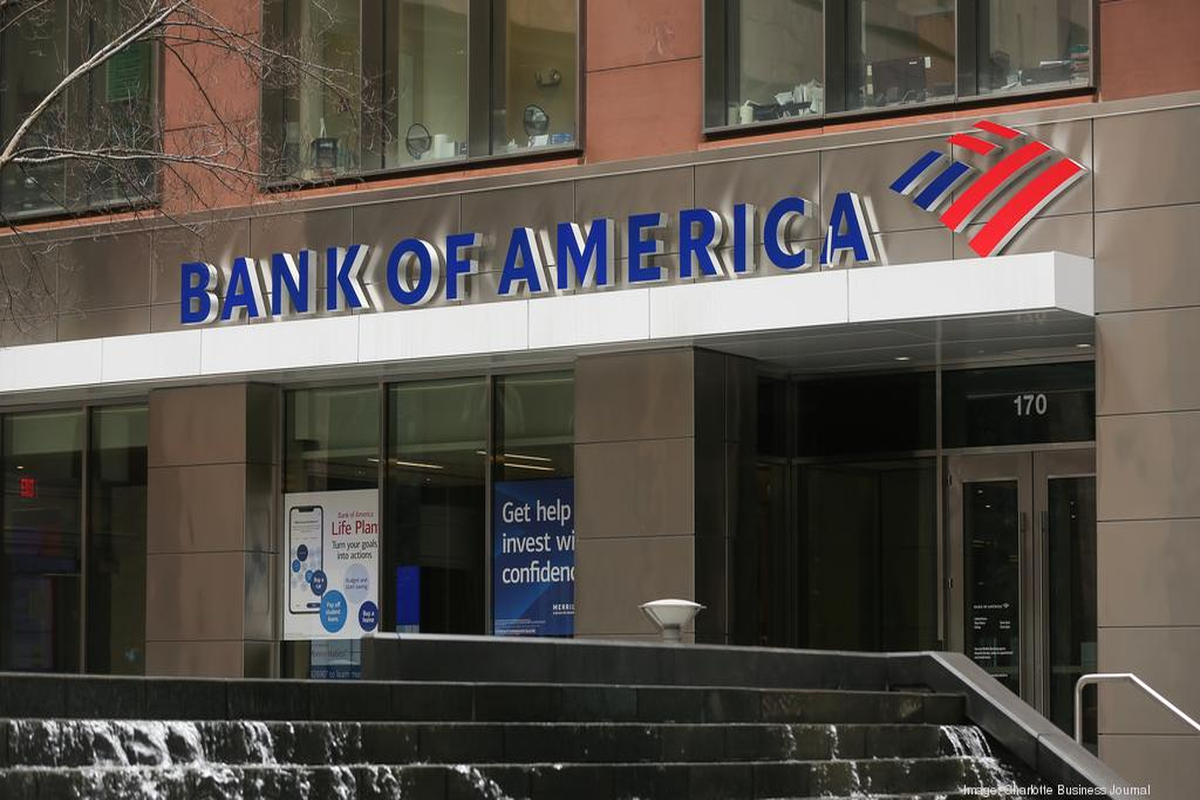
As of December 27, 2025, Bank of America continues to advance a nationwide expansion and modernization strategy, reaffirming plans to open more than 150 new financial centers by the end of 2027. While retail-focused on the surface, the initiative offers broader insight into how large US banks are redefining client engagement in an increasingly digital financial ecosystem.
Despite rapid digitization, Bank of America’s strategy underscores a critical reality: complex financial needs still require human infrastructure. Physical financial centers are no longer transaction hubs, but advisory environments designed for higher-value interactions, including credit structuring, business banking, and long-term financial planning.
For sophisticated clients, physical access to senior banking personnel supports decision-making during periods of market stress, liquidity needs, or strategic transitions. The expansion suggests that major institutions continue to see in-person engagement as a competitive advantage, particularly for relationship-driven banking segments.
The new financial centers emphasize technology-enabled service, smaller footprints, and advisory-led layouts. This reflects a broader industry shift from scale for its own sake toward efficiency, flexibility, and targeted relevance.
Rather than signaling a return to legacy branch banking, the initiative highlights how banks are blending digital platforms with selective physical presence. For HNWIs, this approach can enhance service responsiveness while maintaining the discretion and continuity expected from Tier-1 institutions.
For internationally structured clients, developments like this reinforce the importance of aligning banking relationships with functional needs. US-based financial centers may continue to serve as anchors for operating liquidity, credit facilities, and domestic advisory, while offshore institutions provide custody, diversification, and long-term capital preservation.
Physical expansion by large US banks may also influence client segmentation and service models, potentially improving access to senior resources for qualifying relationships. However, this reinforces the need for proactive assessment of where value is created within each banking relationship.
Looking ahead, clients should monitor how physical expansion translates into service differentiation, relationship depth, and credit availability. As banks refine hybrid models, the strategic role of each banking platform—digital or physical—will matter more than brand scale alone. For sophisticated investors, aligning structure with purpose remains central to effective wealth management.
 Previous Post
 SKN | Goldman Sachs Data Incident: What a Third-Party Breach Signals for Wealth Confidentiality
 Next Post
 SKN | JPMorgan’s Institutional Ownership: What 75% Control Signals for Stability and Capital Strategy
March 24, 2026
March 24, 2026

March 24, 2026
March 23, 2026
 Optimized by Seraphinite Accelerator