Takeaways
-
BBVA’s entry strengthens Qivalis as a bank-led alternative to dollar-dominated stablecoins
-
Euro-denominated stablecoins remain underrepresented, highlighting both opportunity and adoption risk
-
Regulatory approval under MiCA will be critical to credibility, timing, and eventual scale
BBVA Adds Weight to Europe’s Stablecoin Effort
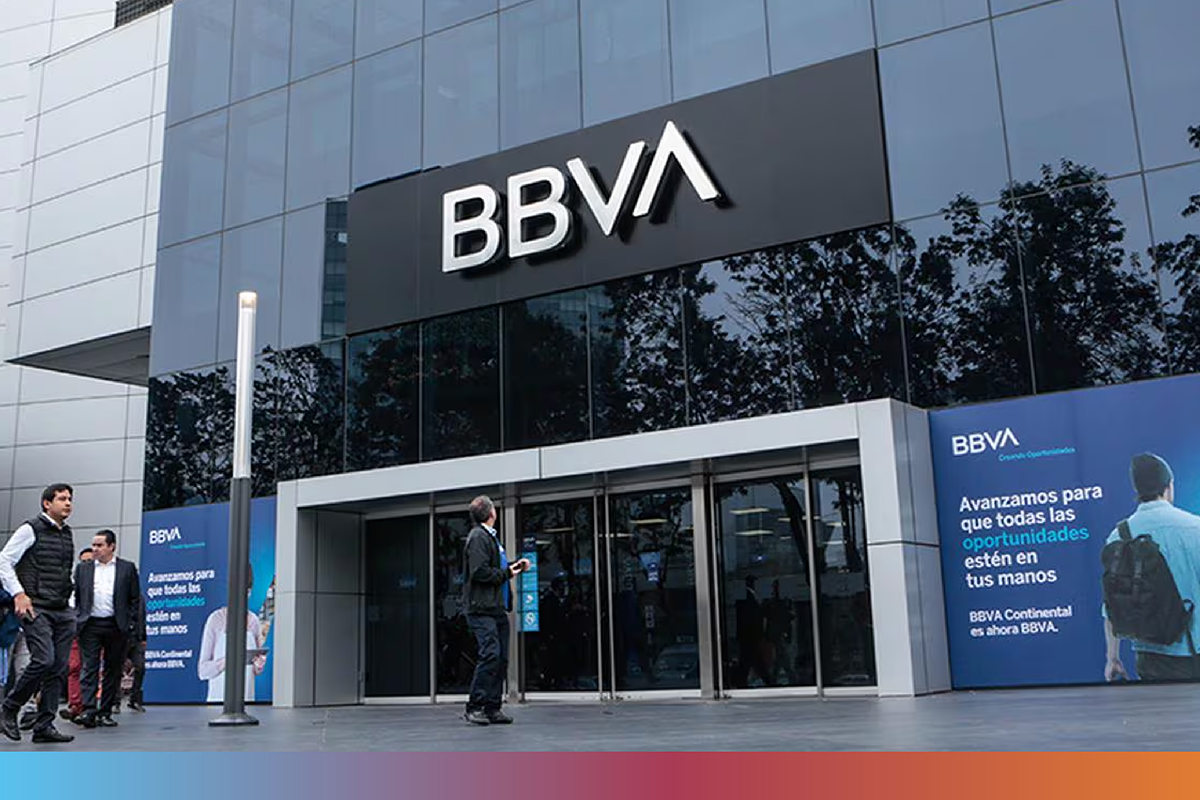
Spain’s second-largest bank by assets, BBVA, has joined Amsterdam-based Qivalis, becoming the 12th major lender backing the initiative. With roughly $800 billion in assets, BBVA brings additional balance-sheet credibility and institutional reach to a project aiming to launch a regulated euro-pegged token.
Qivalis already includes several of Europe’s largest financial institutions, among them BNP Paribas, ING, and UniCredit, underscoring the collective ambition to establish a pan-European on-chain payments infrastructure backed by traditional banks.
Challenging Dollar Dominance in Stablecoins
The global stablecoin market, valued at roughly $300 billion, remains overwhelmingly dominated by U.S. dollar-linked tokens. Euro-denominated stablecoins account for less than $1 billion in total market capitalisation, a stark imbalance that Qivalis and its members are seeking to address.
A regulated euro stablecoin could allow European corporates and consumers to transact, settle, and manage liquidity on blockchain rails while staying fully within the euro ecosystem. This would reduce dependence on dollar-based tokens and non-EU issuers, aligning digital payments more closely with European monetary sovereignty.
Regulation as a Strategic Advantage
Qivalis is pursuing authorisation from the Dutch central bank to operate as an electronic money institution under the EU’s Markets in Crypto-Assets (MiCA) framework. This regulatory pathway is designed to ensure consumer protection, reserve backing, and operational transparency—features that bank-led projects see as a competitive edge over crypto-native issuers.
The consortium plans to debut its euro-pegged token in the second half of 2026, contingent on regulatory approval. While this timeline places Qivalis behind established dollar stablecoins in terms of market penetration, proponents argue that regulatory clarity and bank trust could prove decisive for institutional adoption.
Strategic Implications for European Banks
For BBVA and its peers, participation in Qivalis is less about near-term revenue and more about long-term positioning. As payments, settlement, and treasury functions increasingly experiment with tokenisation, banks risk disintermediation if these flows migrate entirely to non-bank platforms. A shared, regulated stablecoin offers a way to stay embedded in future transaction infrastructure while shaping standards from within.
At the same time, adoption is not guaranteed. Convincing users to shift from deeply liquid dollar stablecoins to a new euro-based alternative will depend on use cases, integration with existing banking services, and cross-border acceptance.
Outlook
BBVA’s move reinforces momentum behind a coordinated European response to the rise of digital dollars. Whether Qivalis can translate institutional backing into real-world usage will hinge on regulatory execution, ecosystem partnerships, and the ability to deliver tangible efficiency gains over traditional payment rails.
For a confidential discussion on how bank-led digital currencies, regulatory-backed stablecoins, and shifting payment infrastructures can be assessed within a global financial and digital-asset allocation strategy, contact our senior advisory team.