
Finance
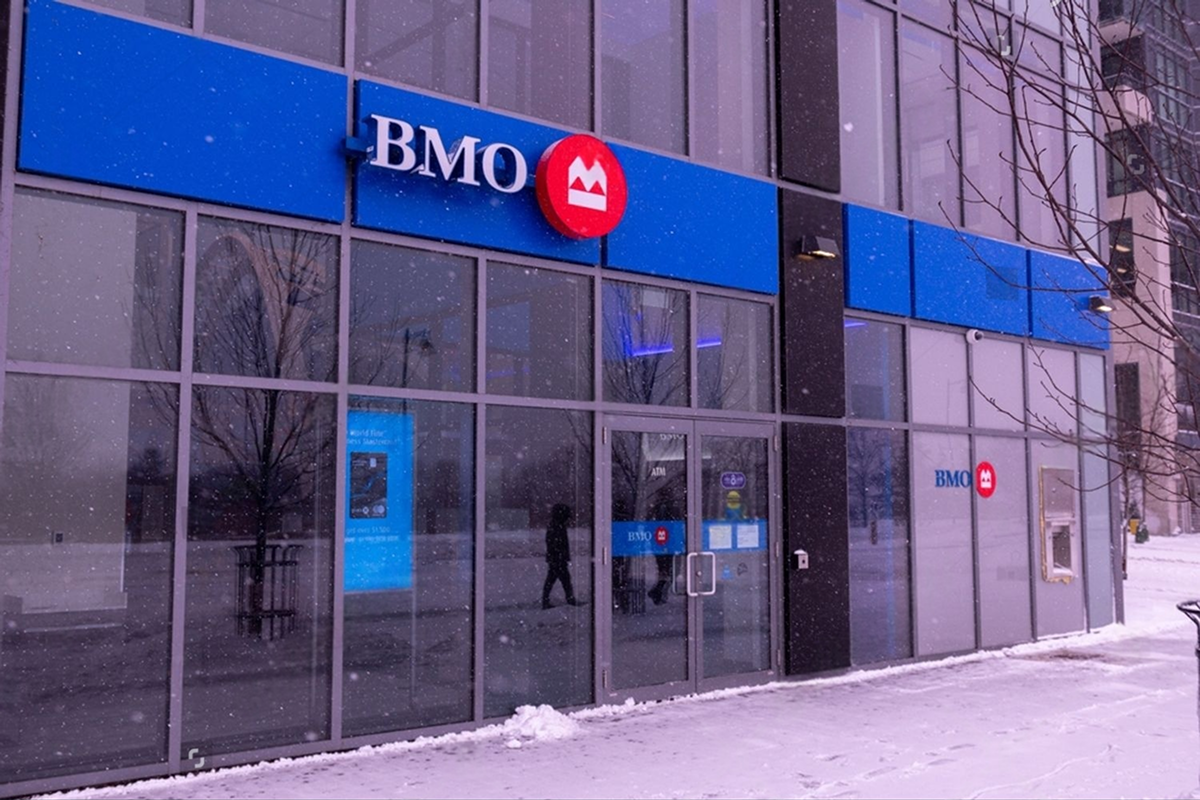
When BMO (Bank of Montreal) outlines “The Day Ahead in Canada,” the content typically highlights scheduled economic releases, central bank commentary, and sector momentum. For sophisticated investors, such briefings are not tactical cues—they are risk calibration tools.
Canada’s market structure is concentrated in financials, energy, and materials. Daily macro developments therefore transmit quickly into equity valuations and currency dynamics.
The Bank of Canada’s policy trajectory continues to anchor market sentiment. Inflation data, employment figures, and housing turnover indicators influence:
For HNWIs holding CAD-denominated assets within Swiss or multi-jurisdictional custody accounts, rate expectations directly affect income yield and currency translation risk.
Canadian indices are heavily weighted toward energy and resource sectors. Movements in oil and industrial metals shape near-term equity performance.
BMO’s daily outlook often incorporates:
Commodity exposure can enhance returns during favorable cycles—but increases volatility during global slowdowns.
Residential real estate remains central to Canada’s credit ecosystem. Updates on resale activity and mortgage flows influence perceptions of:
For cross-border investors, housing metrics are proxies for systemic liquidity rather than property speculation.
From a Zurich or Geneva allocation framework, Canada represents:
Daily outlooks should therefore be interpreted within broader asset allocation strategy—not as isolated market commentary.
BMO’s “Day Ahead” briefings serve as macro temperature checks. For HNWIs, the disciplined takeaway is precise:
Monitor Canada’s rate path, currency trajectory, and banking stability as integrated variables—not standalone headlines.
Capital preservation in cross-border structures requires synchronized oversight of monetary policy, sector concentration, and FX exposure.
For a confidential discussion regarding Canadian market exposure within your international wealth architecture, contact our senior advisory team.
 Previous Post
 SKN | Morgan Stanley Outpaces Indices as Earnings Expectations Build
 Next Post
 SKN | CIBC Innovation Banking Extends $50 Million Growth Facility to AlayaCare: Strategic Capital in Healthcare Technology

March 27, 2026

March 27, 2026

March 27, 2026

March 27, 2026
 Optimized by Seraphinite Accelerator


