Stock market
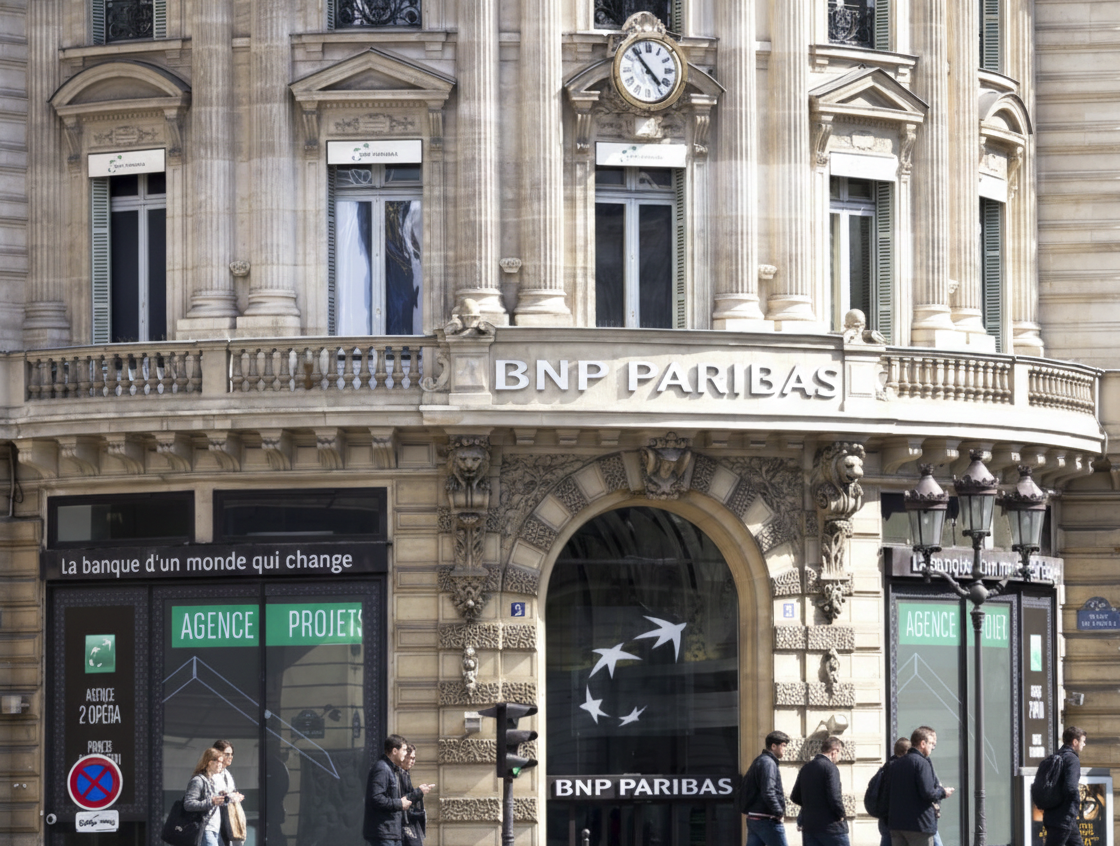
BNP Paribas has increased its price target on Ingersoll Rand by $16, reflecting a notable reassessment of the company’s forward earnings and sector positioning. The adjustment suggests stronger confidence in near- to medium-term fundamentals, yet the maintained Neutral rating indicates that upside may already be reflected in the share price.
A target increase of this magnitude typically reflects more than incremental modeling tweaks. It often incorporates improved earnings visibility, margin expansion expectations, or a broader industrial sector re-rating.
Price target revisions at this scale generally follow stronger order trends, backlog visibility, acquisition synergies, or improved operating leverage.
Ingersoll Rand’s exposure to industrial equipment and compressed air systems places it directly within capital expenditure cycles. When demand stabilizes and margins expand, valuation frameworks adjust quickly. BNP’s revised target suggests that either earnings durability or multiple assumptions have shifted upward.
However, target increases do not automatically translate into upgraded recommendations.
Maintaining a Neutral rating signals that, while fundamentals may be strengthening, valuation and macro risks temper enthusiasm.
At current trading levels, BNP appears to view Ingersoll Rand as fairly priced relative to its growth profile. This stance reflects a balanced risk-reward setup rather than skepticism about operational execution.
In cyclical industrial names, analysts often hesitate to move to a bullish rating late in an expansion phase unless there is clear evidence of sustained multi-cycle growth drivers.
Industrial equipment companies remain closely tied to manufacturing activity, infrastructure investment, and global economic momentum. Order intake, pricing power, and margin durability often fluctuate alongside macro indicators.
If economic momentum remains steady, improved earnings visibility could justify the revised valuation. If demand softens, cyclical exposure may limit multiple expansion.
The industrial sector frequently experiences valuation swings driven by macro sentiment as much as company-specific performance.
A higher target paired with a Neutral rating is generally viewed as acknowledgment of operational progress rather than a call for aggressive accumulation.
The move validates improved outlook assumptions while signaling that investors should evaluate entry points carefully.
Going forward, focus will center on order growth, margin sustainability, and capital allocation discipline. Acquisition integration and cost management will also influence earnings durability.
BNP Paribas’ recalibration reflects improved expectations. The Neutral stance reinforces that valuation discipline remains warranted.
Execution will determine whether the next revision leans bullish or cautious.
For confidential discussions regarding industrial sector cycle positioning, valuation sensitivity analysis, and portfolio allocation within global capital goods equities, our senior advisory team is available for discreet consultation tailored to institutional and cross-border investment mandates.
 Previous Post
 SKN | European Regulators Urged to Address NBFI Risk: Strategic Considerations for HNWI
 Next Post
 SKN | Mizuho Earnings Lifted by Cost Discipline and Buybacks as Valuation Outlook Improves

March 27, 2026

March 27, 2026

March 27, 2026
March 26, 2026
 Optimized by Seraphinite Accelerator