Investors
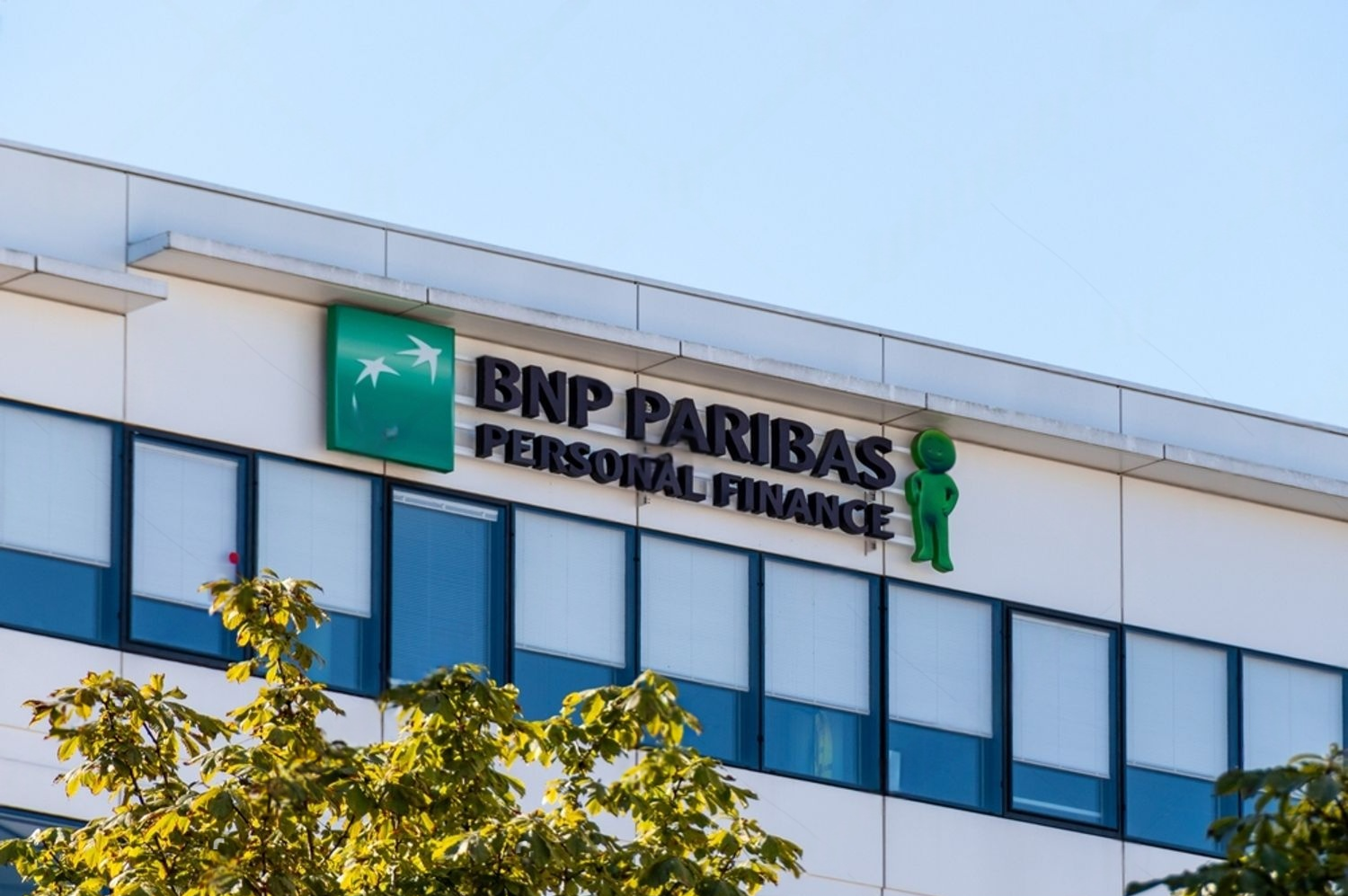
BNP Paribas’ decision to raise its price target on Ralph Lauren is less about near-term upside and more about earnings durability in an uneven global growth environment.
Luxury and premium consumer brands occupy a distinct position in equity markets. Demand is less price-sensitive, margins are structurally higher, and brand equity provides insulation against short-term volatility. BNP Paribas’ adjustment reflects this underlying dynamic rather than a reaction to a single reporting period.
From a strategic perspective, Ralph Lauren’s value lies in its ability to maintain pricing power while managing costs across regions. Global brand recognition allows for selective price adjustments without materially damaging demand.
BNP Paribas’ analysis suggests that this pricing flexibility supports stable cash generation, even as consumer spending patterns remain uneven across geographies.
In an environment where growth visibility is increasingly fragmented, brand durability becomes a balance-sheet asset.
Within Swiss private banking frameworks, consumer discretionary exposure is rarely treated as momentum-driven. Instead, emphasis is placed on businesses with enduring franchises, global diversification, and conservative capital management.
Premium brands fit this profile when exposure is sized appropriately. They provide participation in global consumption without relying on aggressive volume growth or leverage.
The focus is not maximizing returns in favorable cycles, but maintaining portfolio quality across market conditions.
For internationally diversified families and entrepreneurs, BNP Paribas’ reaffirmed confidence in Ralph Lauren reinforces several structural considerations:
Such positions are typically integrated alongside defensive holdings, alternative assets, and currency diversification.
An analyst upgrade does not remove market risk. Consumer sentiment, currency movements, and geopolitical factors continue to influence performance.
From a capital preservation standpoint, exposure to premium consumer names is most effective when incorporated within a broader framework of liquidity planning and risk mitigation.
BNP Paribas’ higher price target on Ralph Lauren reflects confidence in brand-led earnings resilience, not speculative enthusiasm.
For high-net-worth investors, the strategic value lies in understanding how such businesses contribute to long-term portfolio stability rather than reacting to analyst revisions in isolation.
For a confidential discussion regarding selective equity exposure and cross-border portfolio structuring, contact our senior advisory team.
 Previous Post
SKN | Inside Bank of America’s Aggressive Push for Credit Card Growth
 Next Post
SKN | HSBC Holds on Bank of America: What a Modest Target Increase Signals for Global Bank Exposure
February 6, 2026
February 5, 2026
February 5, 2026
February 4, 2026