Business
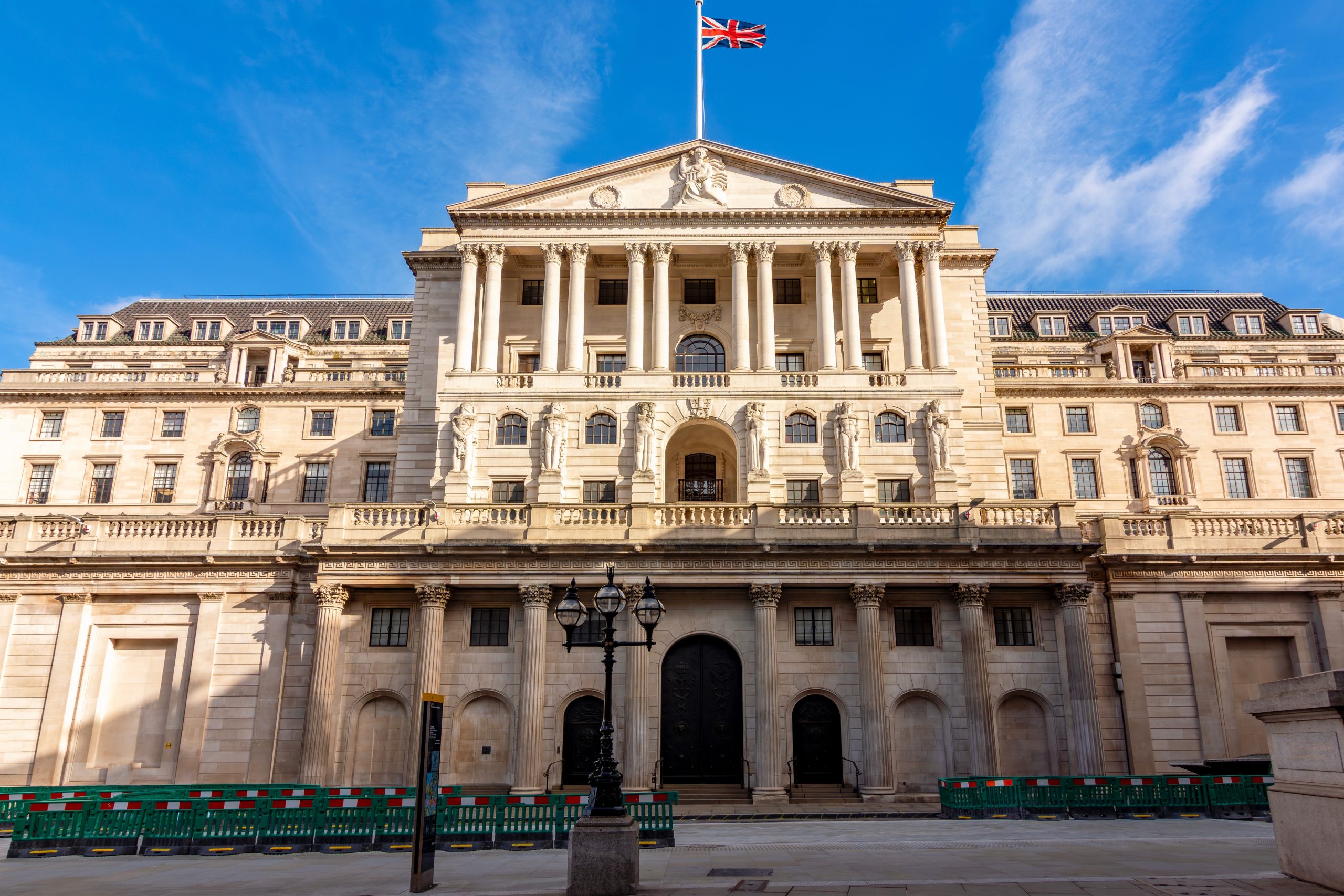
The Bank of England’s recent AI-focused roundtables provide a rare, behind-the-scenes view of how leading financial regulators perceive emerging technology adoption in the wealth sector. While AI promises operational efficiency and enhanced risk analytics, the discussions revealed structural constraints, ethical considerations, and governance expectations that will shape implementation across both UK and Swiss private banking ecosystems. For globally mobile HNWIs, these insights are actionable: they inform which institutions are best positioned to safeguard capital while integrating innovation responsibly.
BoE participants emphasized that AI adoption in banking is not purely a technology challenge but a governance imperative. Institutions must maintain robust risk frameworks, auditability, and explainability of algorithmic decision-making. For Swiss private banks in Zurich and Geneva, this translates into measured integration: automation is deployed where efficiency gains do not compromise fiduciary discretion, client confidentiality, or legacy structures.
Operational constraints include limitations on AI-driven trading, portfolio rebalancing, and client segmentation, particularly when regulatory reporting or cross-border tax compliance is involved. The roundtables highlight that banks adopting AI prematurely may face operational bottlenecks, regulatory scrutiny, or reputational risks—factors that directly impact HNWI clients whose wealth is globally diversified and sensitive to jurisdictional oversight.
AI adoption is shaping the capabilities of institutions managing cross-border portfolios. Regulatory expectations now prioritize transparency and auditability, meaning that advisory recommendations, automated reporting, and risk analytics must be verifiable across multiple jurisdictions. Swiss banks, with their tradition of discretion and integrated multi-jurisdictional planning, are uniquely positioned to offer AI-enhanced services without eroding client confidentiality or structural efficiency.
For HNWIs, understanding where banks are in their AI adoption curve is critical. Institutions with mature frameworks can leverage AI for scenario modeling, tax optimization simulations, and predictive risk assessments—tools that enhance portfolio resilience and support legacy planning. Conversely, banks in earlier stages of implementation may expose clients to operational risk or inconsistent cross-border reporting.
The BoE roundtables reaffirm that responsible AI adoption is not optional but increasingly a competitive differentiator. Wealth preservation, currency flexibility, and legacy alignment remain paramount, and AI must enhance, not compromise, these priorities. For HNWIs, the focus should be on assessing advisory partnerships that integrate AI to reduce operational risk, enhance regulatory compliance, and optimize reporting, while maintaining discretion and strategic oversight.
Efficiency gains may include automated compliance monitoring, fraud detection, and enhanced portfolio analytics, but these must be aligned with the client’s broader wealth strategy. Decisions on where to allocate assets, when to execute cross-border transfers, and how to structure legacy vehicles are increasingly informed by AI-enhanced insight—but only when institutions have established robust governance and audit frameworks.
For HNW clients, the evolving AI landscape in private banking underscores the importance of selective engagement. Institutions that balance innovation with fiduciary discretion, governance robustness, and cross-border compliance provide not only operational efficiency but also a shield for long-term capital preservation. Monitoring which banks successfully navigate regulatory constraints, implement transparent AI frameworks, and maintain legacy advisory alignment will define where HNWIs choose to position assets in 2026 and beyond.
For a confidential discussion regarding AI adoption, cross-border banking, and wealth preservation strategies, contact our senior advisory team.
 Previous Post
 SKN | Why UK Banks Are Racing Back into Wealth Management: Strategic Implications for Global HNW Clients
 Next Post
 SKN | SMBC and Julius Baer Expand India Tech Hubs as Global Banks Rebalance Talent Strategy

March 25, 2026
March 19, 2026

March 17, 2026
March 17, 2026
 Optimized by Seraphinite Accelerator