Finance
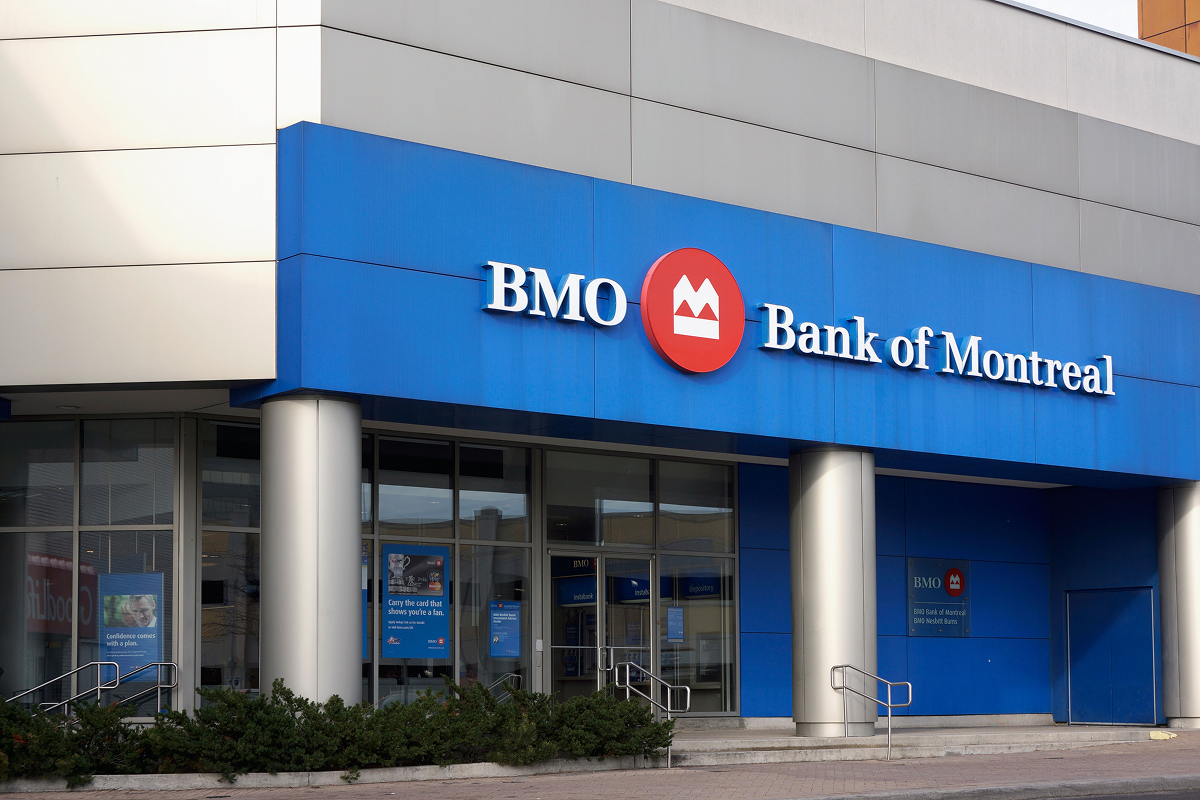
• Bank of Montreal (BMO) has joined the proposed NATO-backed Defence, Security and Resilience Bank (DSRB), completing alignment among Canada’s Big Six lenders.
• The DSRB model would use sovereign equity backing to lower borrowing costs for defence and security firms, with commercial banks originating and managing loans.
• BMO’s participation positions it closer to long-dated, government-linked capital flows tied to NATO defence spending commitments.
Bank of Montreal has formally joined the proposed Defence, Security and Resilience Bank, an international initiative designed to channel sovereign-backed financing into defence and security investment. The structure would rely on equity contributions from member states, allowing commercial banks to extend credit under a sovereign guarantee framework.
For BMO, the move reflects a strategic tilt toward institutional, policy-aligned lending rather than pure balance-sheet risk. Defence financing under sovereign-supported models offers scale, duration, and predictable cash flows tied to government procurement cycles.
With BMO’s participation, all six of Canada’s major banks now support the DSRB proposal. Royal Bank of Canada, Toronto-Dominion Bank, Scotiabank, Canadian Imperial Bank of Commerce, and National Bank of Canada have all indicated support.
The DSRB structure allows banks to preserve client relationships and fee income while benefiting from reduced credit risk through pooled sovereign backing. This makes defence lending more capital-efficient at a time when regulatory scrutiny remains elevated.
The proposal comes as NATO members commit to raising defence spending toward 5% of GDP. Canada has pledged to reach that level by 2035, implying sustained capital demand across defence manufacturing, logistics, cyber security, and dual-use technologies.
For BMO and its peers, participation aligns balance sheets with long-term government-backed capital cycles rather than short-term credit growth. Sovereign guarantees embedded in the DSRB framework further enhance the risk-return profile of such lending.
Finance Minister François-Philippe Champagne has indicated Canada intends to play a leadership role in establishing the DSRB, with Business Development Bank of Canada CEO Isabelle Hudon coordinating the effort.
Several Canadian cities are competing to host the institution, and global banks including JPMorgan Chase, Deutsche Bank, and ING Group have expressed interest.
While sovereign-backed defence lending lowers credit risk, it remains politically and reputationally sensitive. Policy shifts, geopolitical developments, and exposure concentration will require careful management.
From an investor standpoint, BMO’s participation reinforces a broader trend among Canadian banks: deeper integration into institutional, government-aligned capital flows as consumer-driven growth moderates.
Confidential Advisory: This publication is for informational purposes only and does not constitute investment advice. Investors should conduct independent analysis or consult a licensed financial professional before making investment decisions related to financial institutions or defence-sector exposure.
 Previous Post
 SKN | Lloyds Banking Group Accelerates High Street Exit with 95 Additional Branch Closures
 Next Post
 SKN | UBS Expands Its Global Capability Centre in Hyderabad: What This Means for Swiss Wealth Clients
March 26, 2026

March 26, 2026

March 26, 2026
March 26, 2026
 Optimized by Seraphinite Accelerator