
Finance
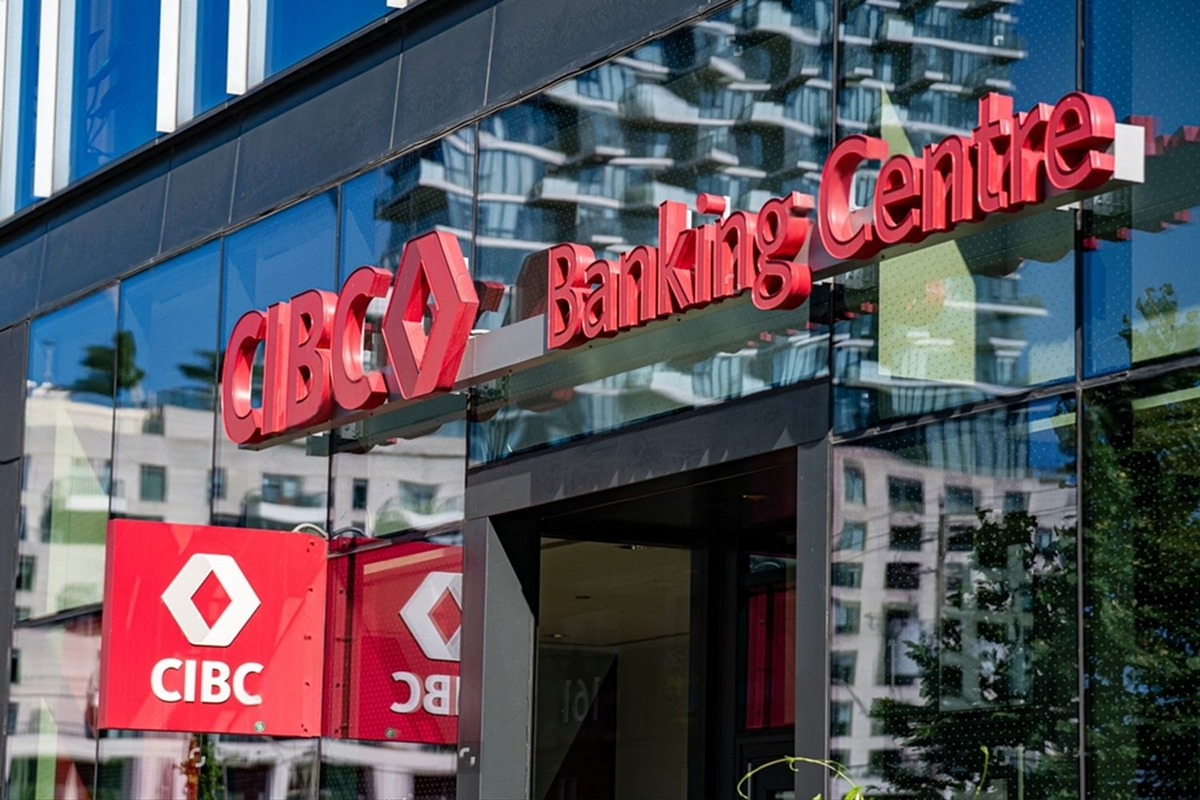
When CIBC Innovation Banking provides a $50 million growth capital facility to AlayaCare, the development extends beyond a single corporate financing event. It reflects institutional prioritization of scalable healthcare technology infrastructure.
For sophisticated investors, the relevant lens is structural: where are banks allocating risk-adjusted capital in the current cycle?
Unlike traditional equity raises, a structured growth facility allows AlayaCare to expand operations without immediate ownership dilution. This financing model:
For HNWIs evaluating private market exposure, this distinction matters. Debt-backed growth implies confidence in revenue visibility.
AlayaCare operates within digital home and community care management—a sector supported by demographic trends and healthcare system decentralization.
Structural drivers include:
Banks entering at scale signal that the sector is transitioning from venture-stage experimentation to infrastructure-grade deployment.
From a Zurich or Geneva allocation framework, innovation exposure must be layered carefully:
Healthcare technology aligned with essential services typically demonstrates greater durability than consumer-driven innovation sectors.
Despite positive signals, disciplined evaluation remains critical:
Institutional participation does not eliminate execution risk—but it reduces capital access uncertainty.
CIBC Innovation Banking’s facility to AlayaCare signals that healthcare digitization is moving into structured institutional capital territory.
For HNWIs, the disciplined takeaway is clear: innovation exposure should be accessed through structured, revenue-backed models rather than speculative overconcentration.
Growth capital facilities can complement a diversified portfolio when embedded within a broader capital preservation strategy.
For a confidential discussion regarding structured private market exposure within your cross-border wealth architecture, contact our senior advisory team.
 Previous Post
 SKN | BMO’s Outlook on Canada’s Trading Day: Macro Signals and Cross-Border Implications
 Next Post
 SKN | Goldman Sachs Advances Ahead of Earnings as Valuation Premium Holds

March 27, 2026

March 27, 2026

March 27, 2026

March 27, 2026
 Optimized by Seraphinite Accelerator


