Finance
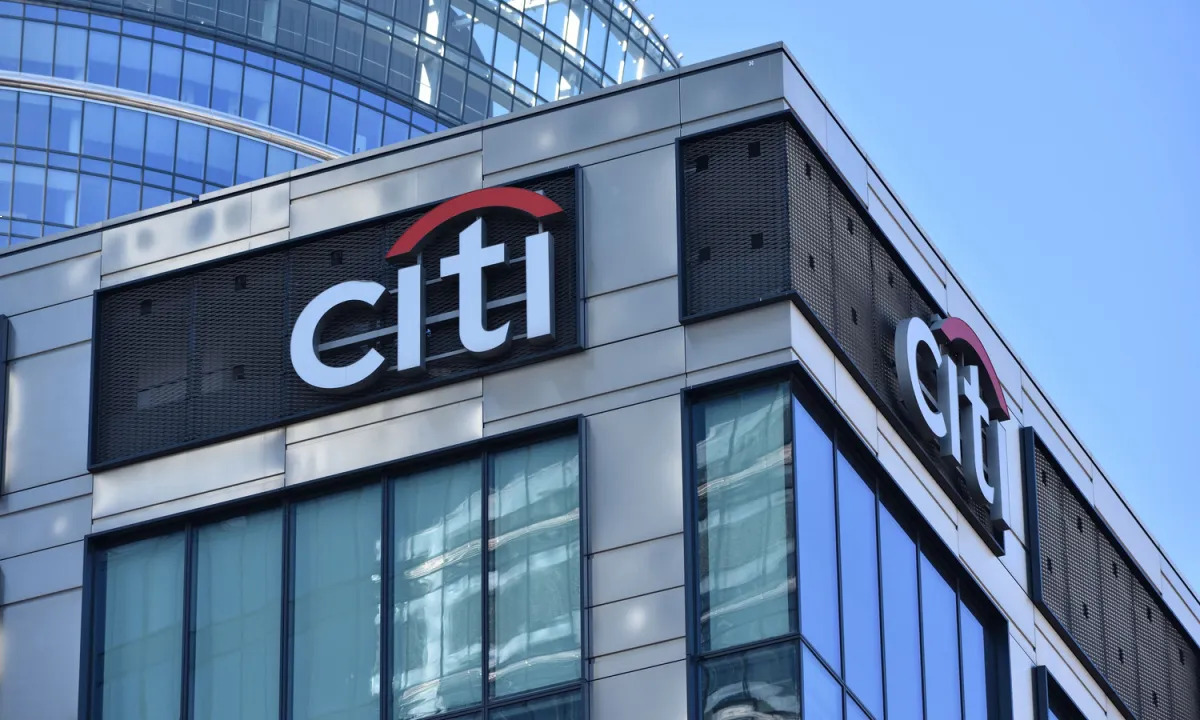
Citi’s creation of a specialized AI infrastructure banking team reflects the growing centrality of artificial intelligence in corporate finance and strategic investment flows. Meanwhile, LSEG’s decisive £3 billion buyback underlines how activist pressure is reshaping capital allocation priorities in major European financial institutions. For globally mobile investors, these developments signal evolving opportunities—and attendant risks—across technology, equities, and private banking channels. The intersection of AI-led growth and strategic equity management offers both a lens and a lever for wealth preservation, multi-jurisdictional planning, and portfolio efficiency.
The $3 trillion projected AI investment boom is attracting global banks to offer bespoke financing, advisory, and capital solutions. Citi’s dedicated team targets AI infrastructure projects, encompassing data centers, cloud networks, and specialized semiconductors. For Swiss HNWI clients, the “So What?” lies in exposure management: understanding which AI initiatives are bankable, scalable, and compatible with cross-border portfolio structures can materially influence risk-adjusted returns.
Private banks in Zurich and Geneva are leveraging this intelligence to create structured solutions that offer indirect access to AI-driven growth while managing liquidity, jurisdictional constraints, and currency volatility. Clients seeking to align with these mega-trends benefit from early engagement, discreet capital allocation, and operational foresight to preserve legacy assets.
LSEG’s £3 billion share repurchase follows sustained pressure from activist investor Elliott Management, emphasizing efficiency in capital deployment and shareholder return. For HNWI holding European equities, this maneuver offers a potential enhancement of portfolio value, yet underscores the need for careful timing and tax-aware structuring.
Swiss private banks, drawing on their cross-border expertise, are uniquely positioned to advise clients on mechanisms to participate indirectly in such equity strategies without disrupting existing wealth preservation frameworks. By understanding corporate governance signals and activist-driven corporate realignments, investors can anticipate market reactions and optimize their private banking allocations.
The dual developments—Citi’s AI initiative and LSEG’s buyback—highlight a broader strategic theme: the convergence of technology-driven growth and governance-driven capital allocation. HNWI clients must integrate these factors into multi-jurisdictional planning, balancing high-growth exposure with risk mitigation, liquidity management, and legacy preservation.
Swiss institutions can provide a white-glove approach, combining AI sector insights, equity timing, and bespoke structuring, ensuring clients navigate market volatility while maintaining discretion. This includes currency hedging, multi-entity investment frameworks, and alignment with international compliance standards.
Looking ahead, investors should monitor AI adoption trajectories, corporate governance shifts, and activist engagement across European and U.S. markets. Understanding how these developments influence cash flows, capital structures, and cross-border execution is critical for preserving and growing wealth efficiently. Swiss private banks with AI and activist equity intelligence are best positioned to advise on tactical engagement and structural resilience.
For a confidential discussion regarding how your cross-border banking strategy can integrate AI-led growth and corporate capital maneuvers, contact our senior advisory team.
 Previous Post
SKN | Egyptian Economy Gains Ground: Implications for Cross-Border Wealth and Swiss Banking Exposure
 Next Post
SKN | Risk Sentiment Index: Chief Risk Officers Maintain Optimism Amid Market Volatility
February 27, 2026

February 27, 2026
February 26, 2026

February 26, 2026


