Finance
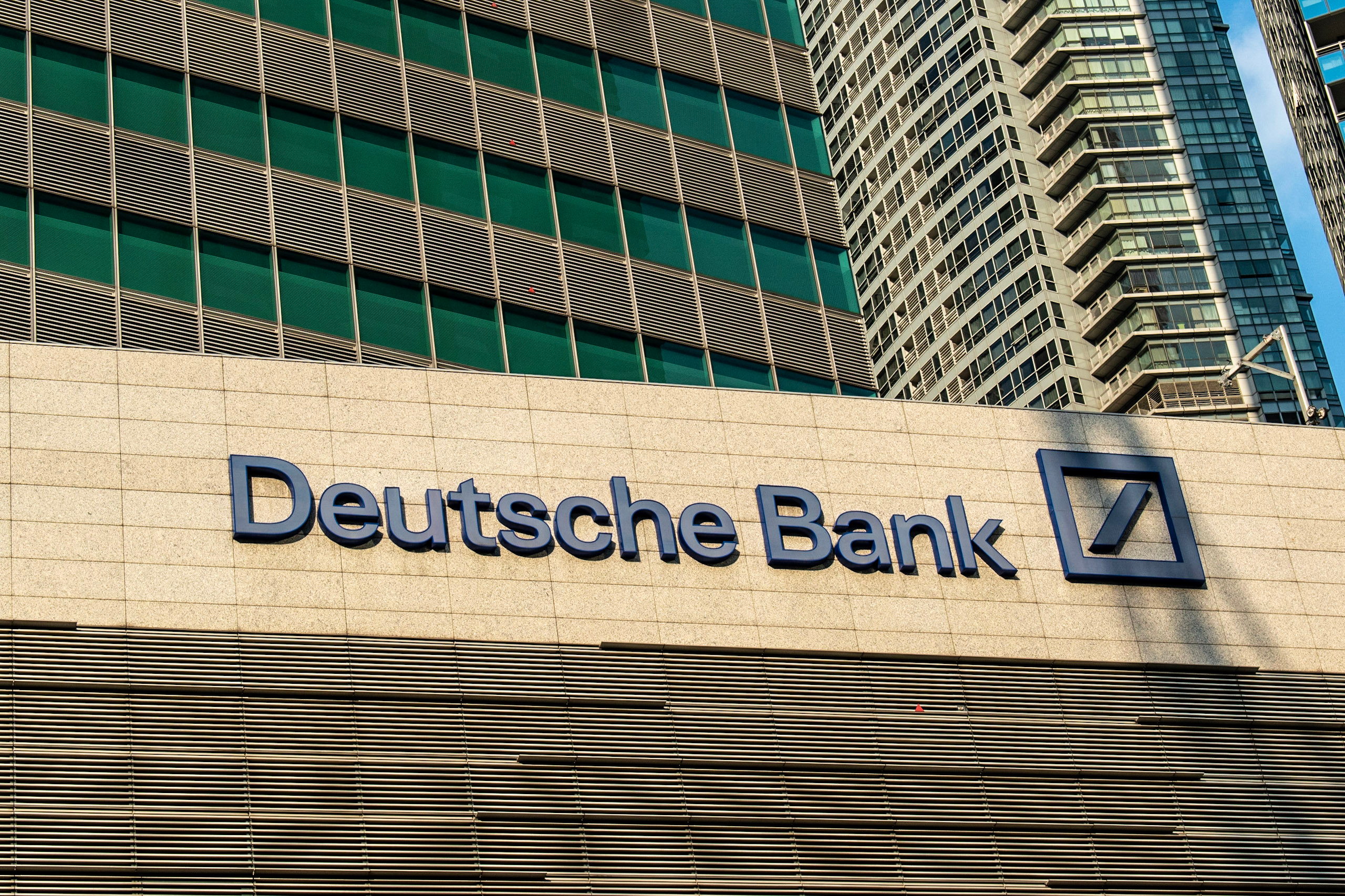
Deutsche Bank’s latest earnings illustrate a striking bifurcation: traders delivered exceptional results while traditional investment banking segments lagged expectations. For globally mobile investors and clients of Swiss private banks, these dynamics provide a lens through which to evaluate the resilience of financial intermediaries and the potential implications for capital preservation, liquidity, and cross-border exposure.
The bank’s trading floors, particularly in fixed income and foreign exchange, leveraged market volatility to generate record revenue. Client-driven activity in hedging, currency swaps, and interest rate derivatives contributed materially, demonstrating that sophisticated execution capabilities remain a core strength. For HNWI, this signals that exposure to large, systemically relevant banks can offer stability in liquid instruments, even when advisory pipelines falter.
However, the reliance on trading profits also introduces sensitivity to market swings. While Deutsche Bank’s current positioning showcases robust risk management and capital allocation, any sudden correction in global rates or FX volatility could materially affect near-term performance. For clients managing Swiss-based accounts with international exposure, the bank’s trading resilience may offer hedging opportunities, but it also underscores the need for proactive monitoring of correlated risks across portfolios.
The bank’s advisory, M&A, and underwriting businesses underperformed relative to expectations, reflecting broader structural challenges in European investment banking. Reduced deal flow, heightened regulatory oversight, and competition from U.S. and boutique advisory firms constrained revenue growth.
For private banking clients, this segment’s underperformance has practical implications. Liquidity planning, capital deployment strategies, and cross-border structuring increasingly depend on intermediaries capable of navigating uneven IB revenue cycles. In this context, Deutsche Bank’s trading outperformance provides stability, but wealth managers must anticipate gaps in advisory support for complex transactions, particularly in multi-jurisdictional M&A or estate planning scenarios.
Zurich and Geneva-based private banks view Deutsche Bank’s dual performance as both a caution and an opportunity. On one hand, reliance on trading profits highlights systemic concentration risks in large institutions. On the other, consistent trading performance can be strategically harnessed to manage client FX, interest rate, and fixed-income exposures.
For HNWI clients, actionable takeaways include evaluating counterparty exposure across Swiss and global institutions, leveraging trading desks for bespoke hedging, and integrating bank-specific risk assessments into long-term wealth preservation plans. The emphasis remains on efficiency, discretion, and mitigating asymmetric risks while maintaining access to sophisticated market intelligence.
Looking ahead, the divergence between Deutsche Bank’s trading and investment banking results will remain a critical barometer. Key indicators for HNWI and wealth managers include market volatility, client flow trends, regulatory developments, and structural changes in European IB operations. Monitoring these factors enables proactive adjustments to cross-border holdings, liquidity planning, and multi-jurisdictional investment vehicles.
For a confidential discussion regarding your cross-border banking structure and leveraging bank-specific performance dynamics, contact our senior advisory team.
 Previous Post
 SKN | Santander’s UK Branch Retrenchment: Implications for Cross-Border Banking and Operational Risk
 Next Post
 SKN | UK Banking Faces a New Frontier: Lords Examine Stablecoins’ Strategic Implications

March 25, 2026

March 25, 2026

March 25, 2026

March 25, 2026
 Optimized by Seraphinite Accelerator