Finance
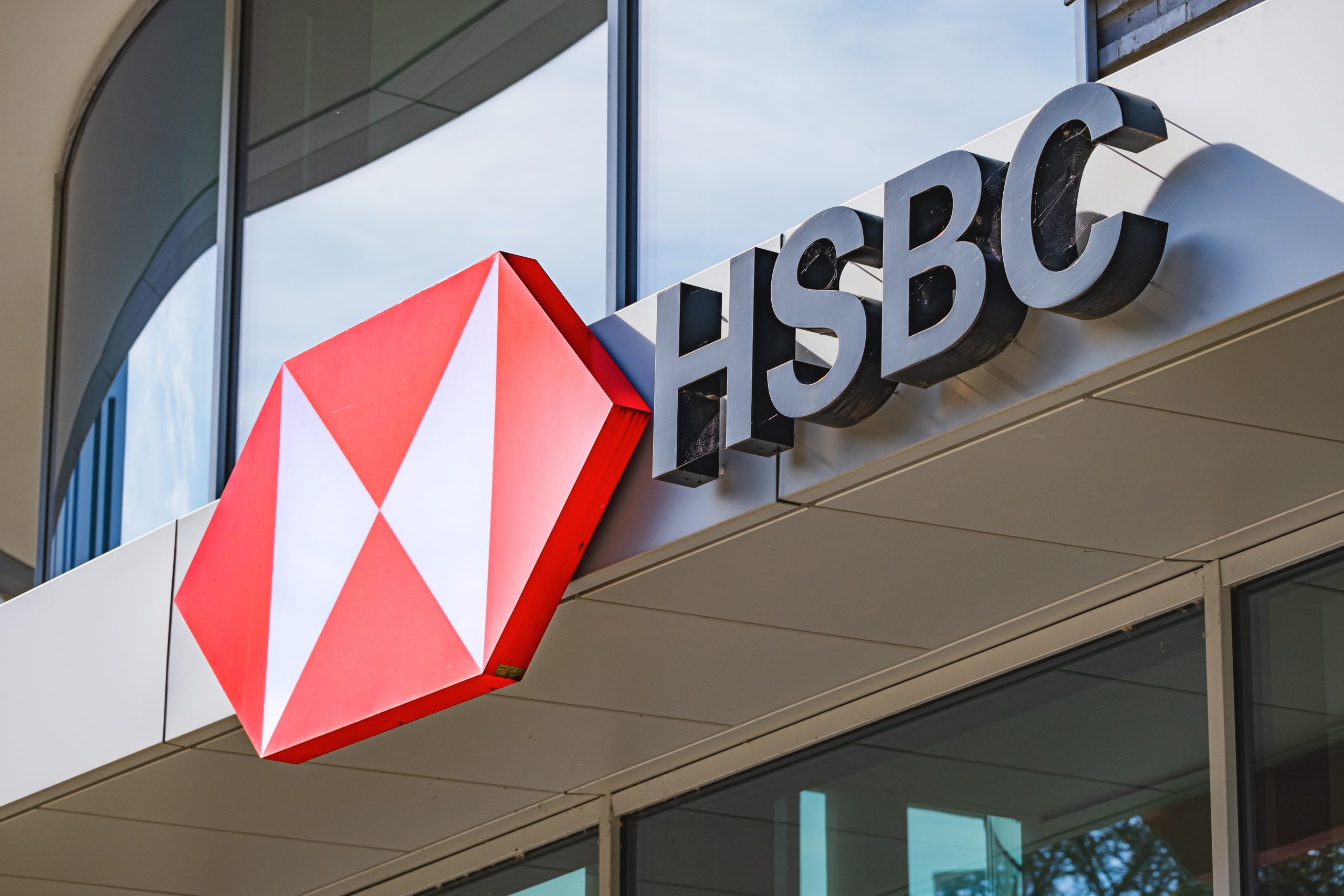
HSBC’s reaffirmed growth trajectory and Revolut’s strategic expansion into Latin America present a nuanced landscape for globally mobile HNWI. For clients with Swiss private banking relationships, these developments are more than corporate milestones—they influence capital flows, cross-border investment efficiency, and risk calibration. Zurich and Geneva institutions are observing both the stability of established banking powerhouses and the disruptive potential of emerging fintech competitors, highlighting the importance of proactive portfolio oversight.
HSBC’s ambition to reach a £300 billion market capitalization signals enduring operational robustness and scale. For HNWI clients, this translates into confidence that legacy and discretionary banking services remain backed by capital adequacy and diversified global operations. Swiss private banks often leverage such insights to calibrate lending lines, liquidity facilities, and structured credit access for their high-net-worth clientele. The “So What?” factor is clear: understanding where institutional strength lies allows clients to anchor portions of their portfolios within resilient banking frameworks, reducing exposure to volatility in smaller or more niche institutions.
Revolut’s recent banking licence application in Peru is emblematic of fintechs moving aggressively into underbanked or rapidly digitizing regions. While traditional Swiss private banks operate with discretion and proven regulatory compliance, fintechs introduce new dynamics: faster cross-border payments, currency arbitrage opportunities, and digital onboarding efficiencies. For HNWI, these shifts underscore the importance of maintaining multi-jurisdictional oversight, ensuring that portfolios and liquidity channels can adapt without compromising capital preservation or legacy structures. Monitoring fintech penetration in emerging markets also informs currency hedging strategies, particularly for US dollar, euro, and emerging-market exposures.
Zurich and Geneva-based banks are adjusting internal protocols in response to both market consolidation and fintech disruption. Discretionary managers are increasingly evaluating counterparty risk, cross-border regulatory exposure, and currency volatility scenarios. Lending desks are incorporating stress-testing frameworks for multi-currency portfolios, while wealth structuring teams emphasize inheritance efficiency and operational redundancy. These measures are designed to preserve client assets, maintain discretion, and optimize cross-border execution amid market uncertainty. For clients, active engagement with relationship managers is critical to align banking structures with evolving risk profiles and emerging opportunities.
For HNWI, the juxtaposition of a stable global banking titan and a rapidly expanding fintech underscores the dual-speed nature of today’s financial landscape. Preservation-minded clients should prioritize institutions demonstrating both capital strength and operational agility, while simultaneously ensuring that emerging digital platforms complement—not replace—legacy structures. Structured liquidity buffers, stress-tested credit lines, and integrated cross-border monitoring are no longer optional—they are essential for maintaining efficiency, discretion, and long-term legacy integrity.
For a confidential discussion regarding your cross-border banking structure and strategic positioning in light of global banking developments, contact our senior advisory team.
 Previous Post
SKN | Wells Fargo and UBS Step Up Advisor Recruiting as Talent War Intensifies
 Next Post
SKN | Risk Builds as Markets Lose Their Moorings: Strategic Implications for Swiss Private Banking Clients

February 9, 2026

February 9, 2026

February 9, 2026
February 9, 2026


