
Finance
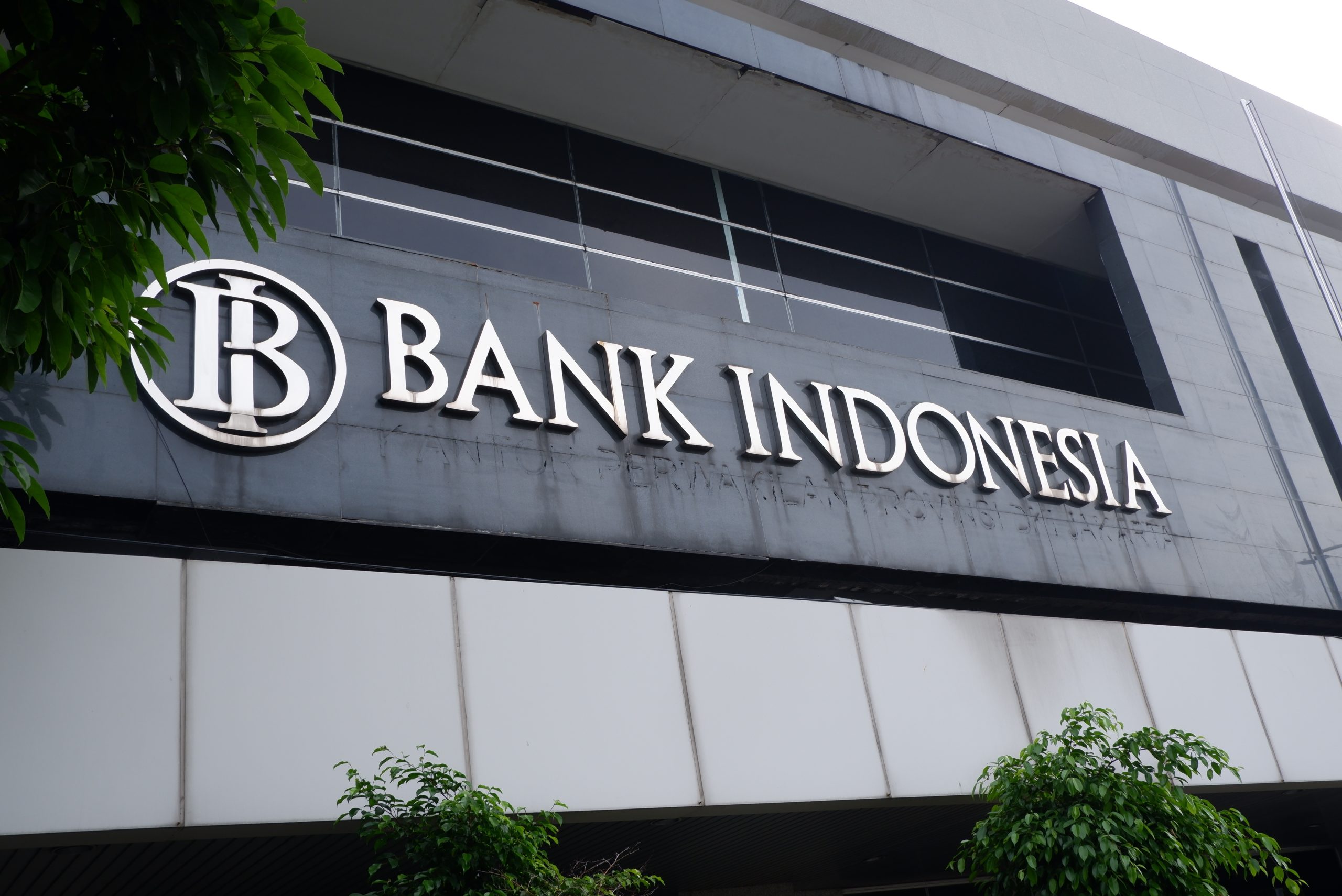
Global investors are closely observing Indonesia’s central bank as pressure mounts for transparency in monetary decision-making. Requests to release detailed policy minutes reflect market sensitivity to perceived political influence and independence of central banks. For HNWI managing Swiss accounts or diversified international portfolios, these developments underscore the need to reassess emerging market exposure, currency risk, and liquidity positioning.
Independence of monetary authorities is a foundational pillar in capital preservation strategies. When investors question central bank autonomy, it can amplify currency fluctuations, bond yield volatility, and equity market sensitivity. Bank Indonesia’s reluctance to release detailed minutes has prompted speculation regarding policy motivations and the potential for discretionary interventions. For HNWI, this translates into a nuanced risk profile. Holdings in Indonesian government bonds or equities may experience heightened short-term volatility, while currency positions denominated in the rupiah could be subject to sudden shifts. Swiss private banks typically advise layering exposure, employing currency hedges, or utilizing liquidity buffers to mitigate such risks without compromising overall portfolio integrity.
Emerging market dynamics, such as the current scrutiny over Bank Indonesia, directly affect cross-border wealth strategies. High-net-worth individuals often hold multi-jurisdictional assets; therefore, stability and predictability of monetary policy are crucial for effective cash-flow planning, debt servicing, and tax structuring. Zurich and Geneva private banking teams can translate these macro developments into actionable insights, adjusting structured products, currency overlays, and tactical asset allocation to preserve capital while selectively benefiting from emerging market returns. The emphasis remains on disciplined, risk-aware exposure rather than speculative positioning.
HNWI should proactively monitor Indonesia’s policy landscape and anticipate potential market reactions. Exposure to rupiah-denominated assets requires careful assessment, as policy ambiguity may drive intermittent volatility. Cross-border liquidity should be maintained to enable timely portfolio adjustments, while structured hedging and allocation strategies help contain risk without sacrificing overall efficiency. Swiss private banking platforms excel in implementing these measures discreetly, combining operational flexibility with legacy protection and capital preservation priorities.
Looking ahead, market participants will focus on whether Bank Indonesia commits to greater transparency and how investors interpret such signals. HNWI should anticipate intermittent volatility in Indonesian assets and factor potential ripple effects into broader portfolio planning. Maintaining diversified exposure, leveraging structured instruments, and coordinating cross-border cash flows remain essential strategies for preserving capital and operational flexibility in a dynamic emerging market landscape. For a confidential discussion regarding integrating emerging market risk assessment into your Swiss or cross-border wealth structures, contact our senior advisory team.
 Previous Post
 SKN | UAE Banks Launch First Domestic Dollar-Backed Stablecoin: Strategic Implications for Global Wealth Structures
 Next Post
 SKN | BNP Paribas Shares Jump on Profit Beat as Higher Mid-Term Targets Lift Confidence

March 27, 2026

March 27, 2026

March 27, 2026

March 27, 2026
 Optimized by Seraphinite Accelerator


