Investors
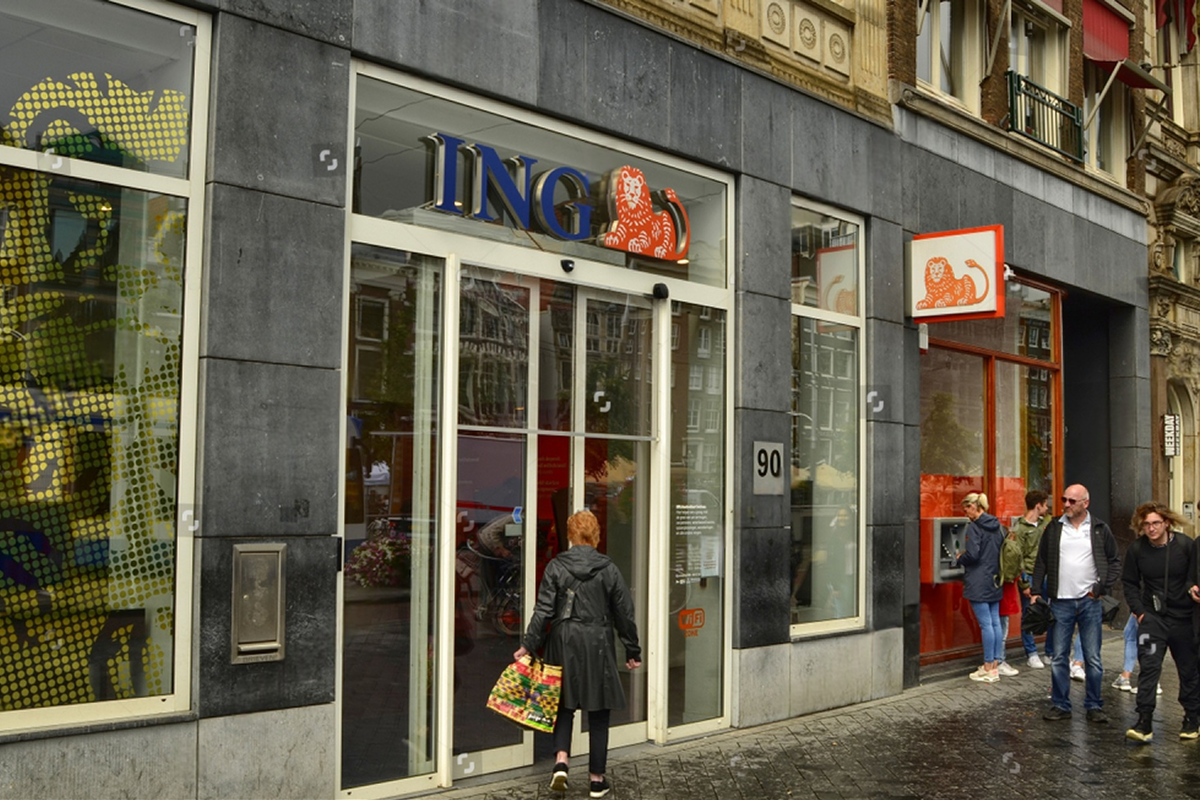
The recent upgrade of ING Groep (ING) to “Strong Buy” signals renewed analyst confidence in the bank’s earnings trajectory. For sophisticated investors, however, upgrades are not invitations—they are indicators.
The central question is not whether the stock may appreciate. It is whether ING’s underlying capital structure and operating model justify enhanced allocation within a capital preservation mandate.
ING’s performance reflects steady net interest income, disciplined provisioning, and margin management as European rate volatility moderates. Unlike institutions dependent on aggressive loan growth, ING’s profitability is increasingly supported by cost optimization and digital infrastructure scaling.
This matters. Revenue cycles fluctuate. Efficiency compounds.
For high-net-worth individuals, the defining metric is not analyst enthusiasm—it is CET1 resilience. ING maintains strong capital buffers relative to regulatory requirements, reinforcing:
In an environment of political fragmentation and uneven European growth, capital strength is decisive.
The upgrade reflects ING’s improving cost-to-income ratio. Branch rationalization, digital onboarding efficiencies, and streamlined operations have reduced structural expense burdens.
For private clients, this translates into one conclusion: profitability is becoming structurally embedded rather than cycle-dependent.
From a Zurich or Geneva allocation standpoint, ING qualifies as a core European banking holding—but not an exclusive anchor. Its diversified geographic footprint within Europe provides broader exposure than purely domestic banks, yet it remains regionally concentrated.
In a cross-border wealth structure:
ING’s upgrade suggests improving alignment with both criteria.
Upgrades often lag structural shifts. Investors should monitor:
These indicators determine whether the “Strong Buy” reflects durable economics or temporary sentiment alignment.
The upgrade reinforces confidence in ING’s capital efficiency and earnings stability. It does not eliminate European macro risk.
For HNWIs managing multi-jurisdictional portfolios, the disciplined conclusion is clear: allocate where capital structure strength meets operational efficiency. ING currently meets that threshold—but diversification remains non-negotiable.
For a confidential discussion regarding European banking exposure within your cross-border wealth structure, contact our senior advisory team.
 Previous Post
 SKN | Citi’s Incoming CFO Targets Higher Returns as Consumer Credit Holds Firm
 Next Post
 SKN | Charles Schwab’s Increased Exposure to MicroStrategy: Institutional Signal or Tactical Allocation?

March 27, 2026

March 27, 2026

March 27, 2026

March 26, 2026
 Optimized by Seraphinite Accelerator