
Finance
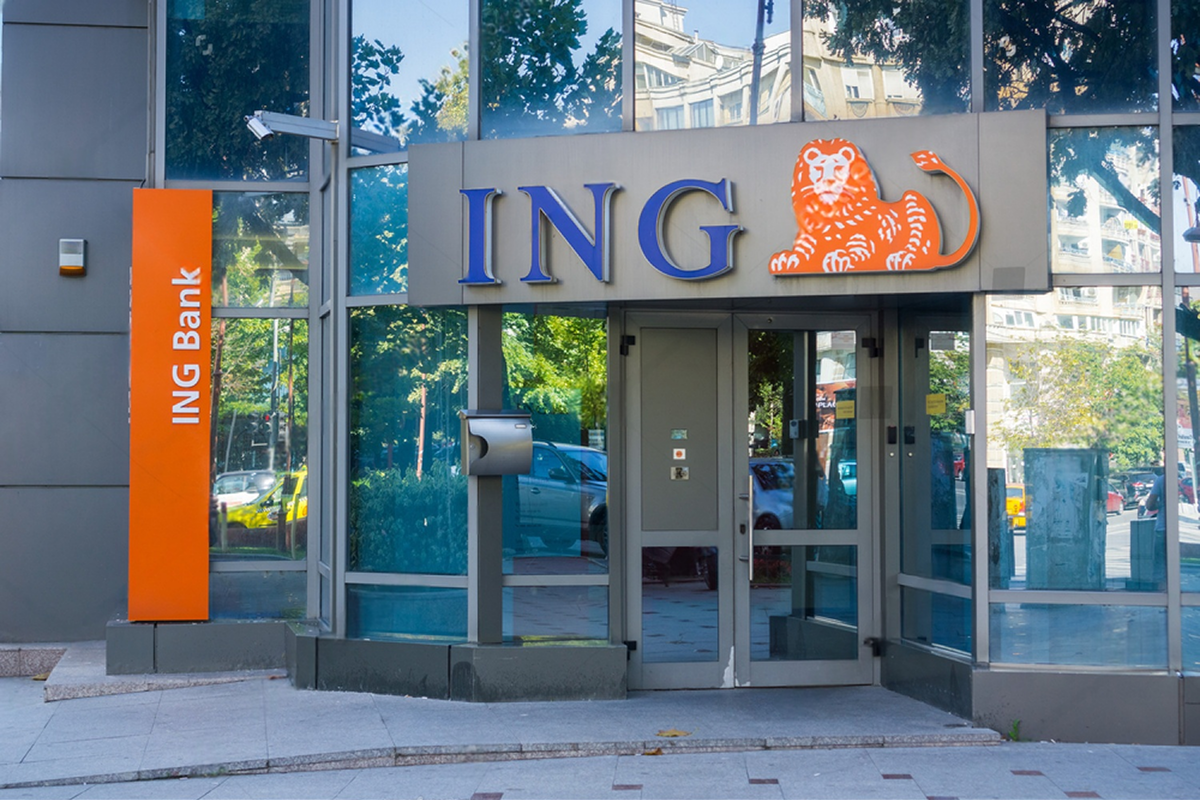
ING Group, as one of Europe’s largest banking institutions, has continued to refine its footprint in retail, corporate, and digital banking, offering signals relevant to Swiss-based HNWI and their cross-border structures. While headline figures provide a snapshot of financial health, the strategic takeaways for high-net-worth individuals lie in understanding liquidity positioning, regulatory alignment, and exposure to market innovations that may impact international wealth accounts.
For HNWI clients, ING’s capital ratios and liquidity buffers are a barometer of potential counterparty stability. Maintaining confidence in cross-border credit lines and cash management structures depends not only on headline CET1 metrics but also on stress-test resilience under varying macroeconomic scenarios. ING’s balance sheet shows deliberate risk-weighted asset optimization, which Swiss private banks interpret as an indicator of stable transactional partners. Clients with multi-jurisdictional accounts should assess how exposure to ING’s European operations may affect both capital preservation and efficiency of fund flows, particularly in euro-denominated structures.
ING’s investment in digital banking infrastructure and ESG-aligned lending frameworks signals a shift toward more transparent, tech-enabled financial services. For HNWI, this translates into opportunities and considerations around portfolio integration, real-time liquidity oversight, and alignment with environmental or sustainability mandates. Swiss private banking clients increasingly demand seamless digital access while ensuring legacy and discretion. The bank’s ESG initiatives may also influence collateral and lending terms for cross-border credit, making it critical to align these developments with wealth preservation strategies.
The bank’s expansion into multiple European markets and maintained correspondent banking networks impact transaction routing and efficiency for clients with diversified portfolios. Swiss private banks monitor these relationships to optimize payment corridors, FX execution, and cross-border settlement. Understanding how ING’s regional strategies align with regulatory frameworks, including anti-money laundering and reporting requirements, allows HNWI to maintain discretion while benefiting from efficient capital deployment. Active engagement with relationship managers and due diligence on institutional partnerships ensures alignment with legacy planning and asset protection goals.
For 2026, ING Group’s developments underscore the importance of integrating counterparty analysis into wealth structuring decisions. HNWI and their advisors should continue to evaluate how digital innovation, ESG lending, and continental expansion affect liquidity management, risk exposure, and cross-border operational efficiency. Swiss private banks serve as the critical intermediary to translate these insights into actionable strategies, ensuring clients preserve capital, maintain discretion, and optimize efficiency across multiple jurisdictions.
For a confidential discussion regarding your cross-border banking structure and strategic exposure to ING Group, contact our senior advisory team.
 Previous Post
 SKN | Banque Cantonale Vaudoise (BCV): Strategic Insights for HNWIs Navigating Swiss Private Banking
 Next Post
 SKN | BNP Paribas Strategic Positioning: Insights for Swiss HNWI – February 2026

March 27, 2026

March 27, 2026

March 27, 2026

March 27, 2026
 Optimized by Seraphinite Accelerator


