Finance
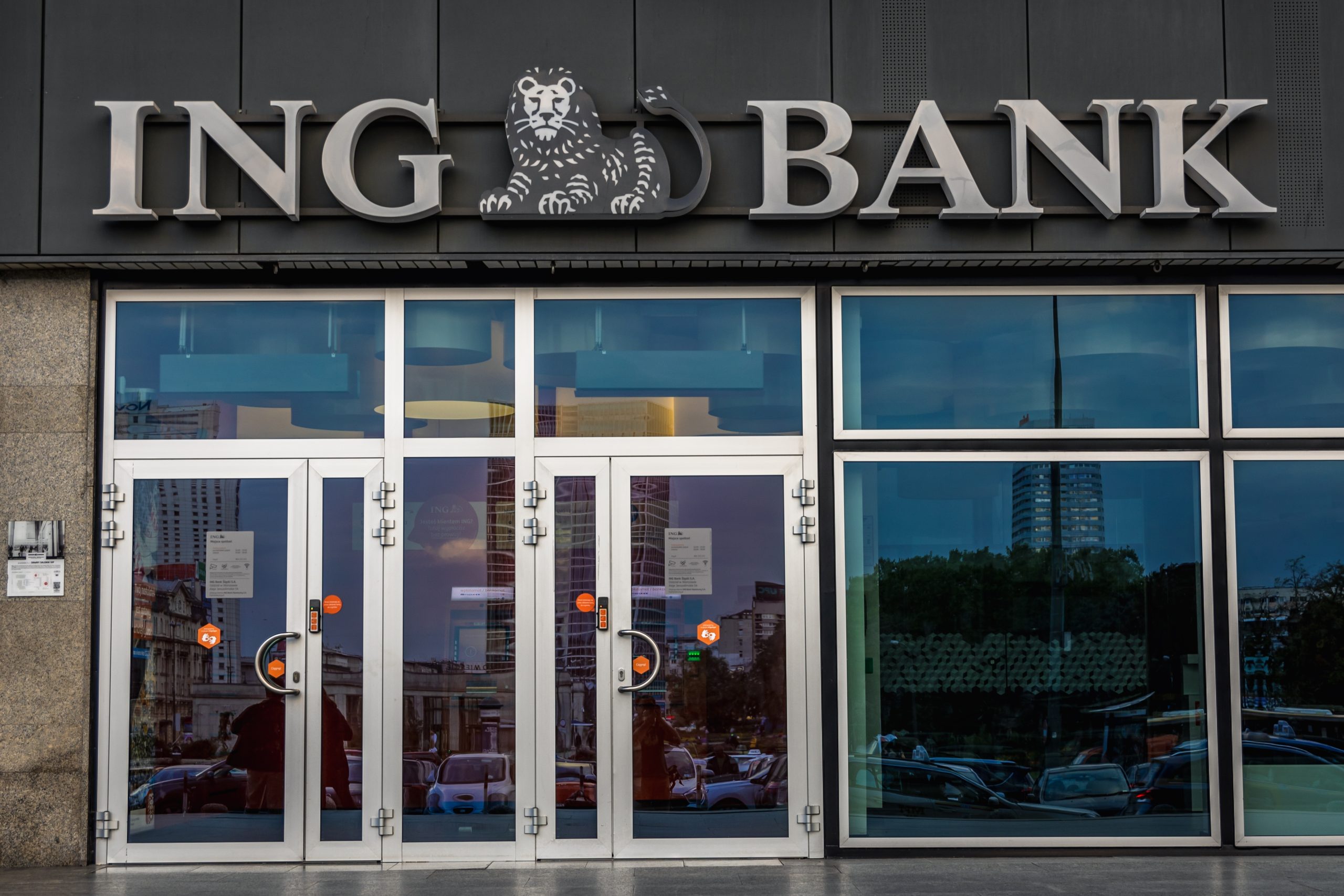
ING Group’s evolution over the past decade reflects a broader shift in European banking: scale, digital efficiency, and regulatory alignment over discretion. For globally mobile high-net-worth individuals, this trajectory matters not because ING competes with Swiss private banks—but because it increasingly interacts with them. Zurich and Geneva relationship managers now assess ING not as a destination for preserved capital, but as a systemically relevant node within cross-border liquidity, financing, and operational cash flows.
ING today operates with a balance sheet exceeding €1 trillion, a CET1 ratio comfortably above regulatory minimums, and a footprint spanning Europe’s largest economies. This scale provides resilience, pricing power, and operational reliability—qualities valued by entrepreneurs managing operating companies, acquisition vehicles, or international payroll structures. However, scale comes with trade-offs. ING’s regulatory exposure, reporting obligations, and automated compliance systems make it structurally unsuitable for discretionary wealth preservation. Swiss private banks increasingly position ING-type institutions downstream: useful for transactions, credit lines, and operational liquidity, but intentionally separated from core family wealth.
ING’s digital leadership is often cited as a competitive advantage, particularly in cash management, FX execution, and cross-border payments. For HNWI clients, this efficiency is relevant—but only when paired with Swiss oversight. Geneva-based advisors increasingly integrate ING accounts into multi-bank dashboards, allowing clients to benefit from execution speed without compromising confidentiality. The strategic insight is clear: digital convenience should serve wealth structures, not define them. Swiss private banks remain the architects; ING functions as an execution layer.
European universal banks such as ING operate under intense regulatory scrutiny, including automatic exchange of information, granular transaction monitoring, and centralized compliance escalation. This environment reinforces a core private banking principle: separation of operating capital from preserved capital. Zurich and Geneva institutions advise clients to maintain entrepreneurial liquidity, leverage facilities, and working capital with banks like ING, while anchoring long-term assets—investment portfolios, family office reserves, and succession structures—in Switzerland. This separation reduces political, regulatory, and reputational risk while preserving operational flexibility.
Rather than viewing ING as a competitor, Swiss private banks increasingly treat it as infrastructure. Relationship managers coordinate credit facilities, manage counterparty exposure, and stress-test liquidity dependencies involving ING. This oversight role is where Swiss banking differentiates itself: not through higher yields or louder innovation claims, but through orchestration. For HNWI clients, the question is no longer “Which bank is better?” but “Which bank does what?” ING executes; Switzerland governs.
Clients with meaningful exposure to ING—whether through operating accounts, corporate facilities, or European investments—should periodically review how those exposures integrate into their broader wealth framework. Key considerations include counterparty concentration, data visibility, and contingency planning across jurisdictions. Swiss private banks are increasingly proactive in this role, offering consolidated reporting, risk overlays, and governance frameworks that align operational efficiency with long-term capital preservation.
For a confidential discussion on how to position large European banking relationships within a Swiss-led wealth structure, contact our senior advisory team.
 Previous Post
 SKN | Swiss Private Banking in Focus: Navigating the Implications of the UK’s Expanding Cybersecurity Legislation
 Next Post
 SKN | Bank of America Resets Western Digital Target as AI Storage Demand Drives Confidence

March 25, 2026

March 25, 2026

March 25, 2026

March 25, 2026
 Optimized by Seraphinite Accelerator