Finance
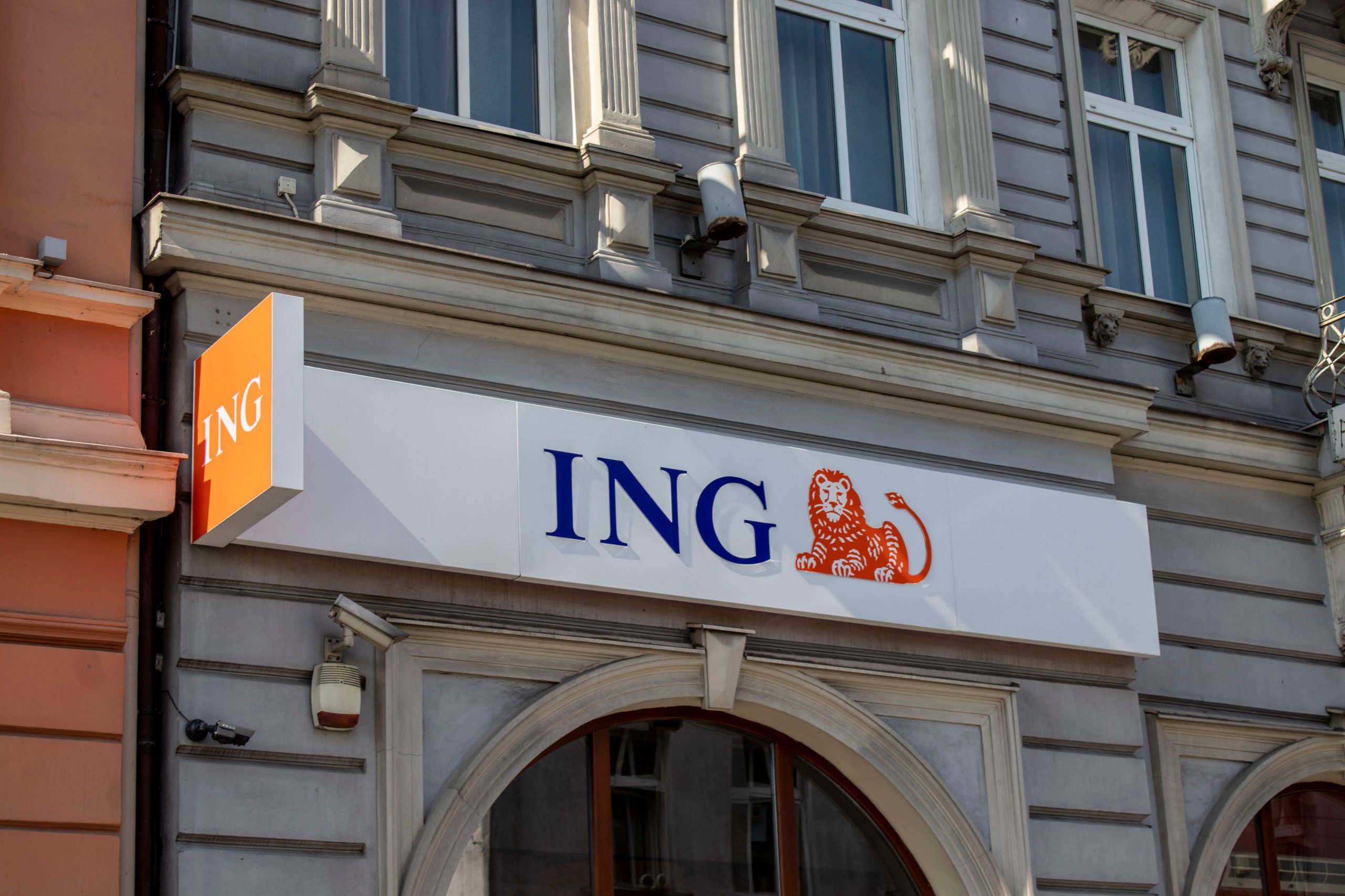
ING Group, a pillar in European banking, is leveraging its scale and digital innovation to adapt to a shifting macroeconomic environment. With the European Central Bank signaling prolonged monetary vigilance and cross-border capital flows remaining sensitive to geopolitical developments, ING’s positioning carries direct implications for HNWI with assets in Swiss accounts and international holdings. Investors and wealth managers are increasingly evaluating the bank not simply as a deposit or lending institution, but as a strategic partner in portfolio preservation, cross-border efficiency, and legacy planning.
The European banking sector remains under pressure from regulatory tightening, capital requirements, and evolving ESG compliance mandates. ING has responded by strengthening its balance sheet, enhancing digital channels, and streamlining cross-border operations. For HNWI, the bank’s disciplined approach to capital allocation and liquidity management is essential: it ensures that deposit and investment products remain insulated from unexpected market swings, while digital platforms facilitate efficient multi-jurisdictional account management. ING’s proactive engagement in regulatory adherence reduces operational risk, an important consideration for clients seeking stable, predictable outcomes in volatile times.
ING’s private banking and wealth management services are increasingly tailored for globally mobile clients. Strategic advisory capabilities now encompass multi-currency portfolios, tax-optimized structures, and estate planning frameworks. HNWI should note that ING’s risk-weighted lending practices and liquidity management directly influence access to private credit and bespoke financing solutions. Moreover, the bank’s integration of digital platforms enables streamlined reporting, asset aggregation, and portfolio monitoring across jurisdictions—crucial for clients maintaining Swiss accounts alongside international holdings. The cross-border perspective highlights how even modest currency fluctuations, regulatory divergence, or interest rate shifts can compound over time, affecting overall portfolio efficiency and capital preservation.
ING’s commitment to operational efficiency and digital transformation reduces overheads and operational friction, translating into lower costs for high-net-worth clients while maintaining confidentiality standards. HNWI can leverage the bank’s advanced risk-monitoring systems to safeguard assets against systemic shocks, geopolitical risks, and currency devaluation. Additionally, ING’s focus on sustainable finance and ESG-aligned products offers long-term strategic opportunities, aligning client wealth with macroeconomic trends while reinforcing regulatory compliance—a factor increasingly critical for cross-border clients navigating complex reporting environments.
For 2026 and beyond, ING’s evolution reflects broader trends in European banking: heightened regulatory scrutiny, digital-first client engagement, and disciplined capital allocation. HNWI should monitor the bank’s developments in private banking services, cross-border execution capabilities, and digital reporting platforms to optimize liquidity, safeguard capital, and preserve legacy. Evaluating ING not only as a financial intermediary but as a strategic partner can enhance efficiency in multi-jurisdictional wealth management and mitigate exposure to economic volatility. As market conditions evolve, integrating ING’s services into a coordinated global strategy can support both preservation and growth objectives, ensuring that wealth structures remain resilient across regions.
For a confidential discussion regarding your cross-border banking structure and strategic wealth management with ING or comparable Swiss-aligned institutions, contact our senior advisory team.
 Previous Post
 SKN | Revolut Expands Beyond Europe with Mexican Banking License; JPMorgan Eyes Growth in French Private Banking
 Next Post
 SKN | Swiss Banking: Where Serious Capital Goes to Be Taken Seriously

March 25, 2026

March 25, 2026
March 25, 2026

March 25, 2026
 Optimized by Seraphinite Accelerator