Finance
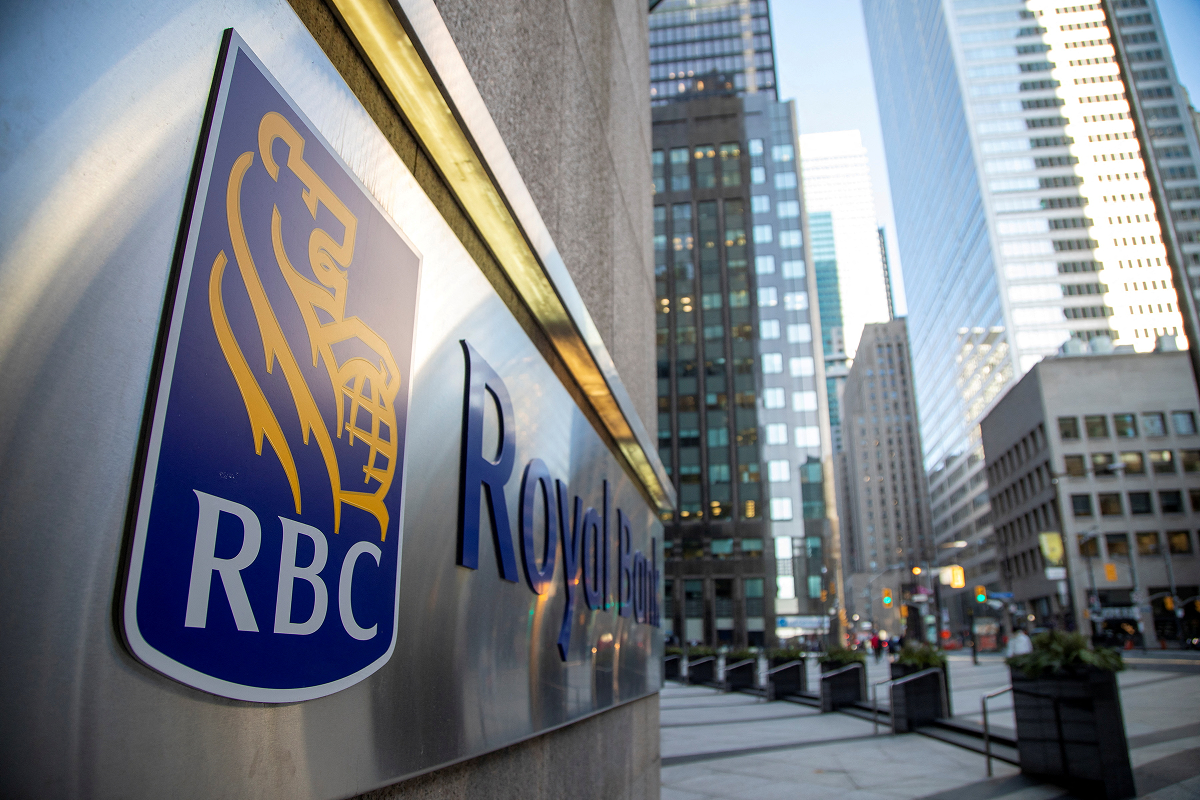
Envestnet Asset Management modestly increased its stake in Royal Bank of Canada, reinforcing steady institutional demand rather than speculative positioning.
Broader ownership trends show long-term allocators, including Vanguard and Norges Bank, continuing to anchor the shareholder base.
Dividend growth and earnings resilience remain central to the RBC investment case, even as valuation stretches toward the upper end of historical ranges.
Royal Bank of Canada saw Envestnet Asset Management add incrementally to its position during the third quarter, purchasing an additional 7,278 shares. The move lifted Envestnet’s total holding to nearly 345,000 shares, valued at just over $50 million, according to its latest filing with the U.S. Securities and Exchange Commission.
On its own, the purchase is not transformational. The increase represents a low-single-digit adjustment rather than a conviction-driven swing. For sophisticated investors, that distinction matters. Incremental additions by diversified asset managers typically reflect portfolio rebalancing, benchmark alignment, or continued confidence in a bank’s defensive income profile rather than a short-term tactical bet.
In RBC’s case, the steady accumulation reinforces its status as a core holding among global institutions rather than a high-volatility trade.
The broader shareholder register underlines this point. Major long-only investors such as Vanguard Group, TD Asset Management, and Norges Bank continue to hold substantial positions. Institutional and hedge fund ownership now accounts for more than 45% of outstanding shares, anchoring the stock with long-duration capital.
This ownership structure tends to dampen extreme volatility, but it also means upside is often driven by fundamentals and capital return rather than sentiment alone.
RBC’s most recent quarterly results reinforced its reputation for earnings stability, with profits comfortably ahead of consensus and revenue growth exceeding 14% year on year. Management has also leaned into shareholder returns, raising the quarterly dividend to $1.64 per share, translating into an annualized yield of roughly 3.8%.
That income profile remains attractive in a global banking landscape where dividend visibility is increasingly prized. At the same time, the stock now trades near recent highs, pushing valuation multiples toward the top of their historical range. Analysts remain broadly constructive, but several have shifted to more neutral language as upside becomes more incremental.
For high-net-worth and family office investors, RBC increasingly sits in the “core income and stability” bucket rather than as a source of outsized capital appreciation. Institutional buying trends like Envestnet’s support that framing: quiet accumulation, strong dividends, and balance-sheet resilience rather than dramatic re-rating potential.
The strategic question is less about whether RBC remains a high-quality franchise — that is largely settled — and more about how it fits within a broader allocation spanning Canadian banks, global financials, and alternative income sources.
For a confidential discussion on how institutional accumulation trends, dividend sustainability, and valuation discipline in Tier-1 North American banks can be assessed within a global private banking portfolio, contact our senior advisory team.
 Previous Post
SKN | Commonwealth Bank Share Price Slips Ahead of Results as Margins and Dividend Take Centre Stage
 Next Post
SKN| Institutional Trim at U.S. Bancorp Highlights Portfolio Rebalancing, Not a Thesis Break

February 10, 2026

February 10, 2026
February 10, 2026

February 10, 2026
SKN | Commonwealth Bank Profit Jumps as Dividend Rises, Margin Pressures Persist

SKN | UBS Downgrades U.S. IT Sector: Why Capex Peaks and Software Uncertainty Matter for Capital Allocation
SKN | Lloyds Tribunal Ruling: What Employee Conduct Enforcement Signals for Bank Governance and Client Risk


