
Finance
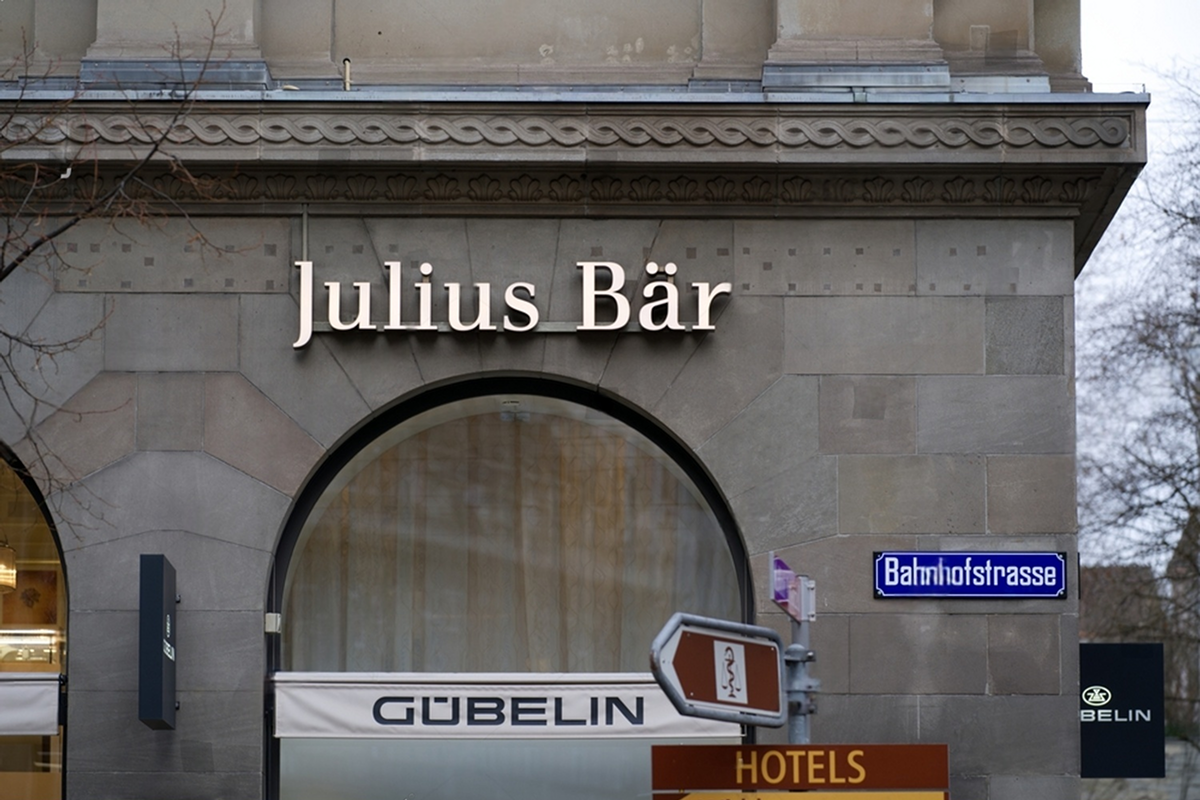
Julius Bär’s leadership refresh arrives amid growing discussion around artificial intelligence in global banking. While much public commentary focuses on automation and efficiency, Swiss private banking evaluates AI through a different lens: risk containment, discretion, and client confidence.
For high-net-worth individuals, leadership structure matters more than the tools being deployed. Technology evolves quickly. Governance does not.
In Swiss wealth management, AI is not viewed primarily as a growth lever. It is treated as an operational risk that must be carefully integrated without compromising confidentiality or relationship-based advisory models.
The leadership refresh at Julius Bär suggests recognition that AI strategy cannot sit solely within IT or innovation teams. It requires board-level oversight, clearly defined accountability, and strict boundaries around client data usage.
Unlike mass-market banks, Swiss private institutions operate under an implicit social contract with clients. Efficiency gains are welcome, but never at the expense of discretion.
AI introduces questions that go beyond productivity:
Leadership renewal is often the moment when these questions are formally addressed.
For ultra-high-net-worth families and entrepreneurs, the significance of Julius Bär’s leadership refresh is not operational — it is strategic.
It suggests the bank is reassessing how emerging technologies align with its core identity as a private, discretionary institution. This is not about replacing bankers. It is about defining the limits of automation.
AI deployment becomes more complex in cross-border structures, where data residency, regulatory regimes, and client privacy expectations differ materially.
For clients with assets and residency across multiple jurisdictions, leadership clarity around AI governance reduces uncertainty around:
These factors directly affect counterparty risk and long-term banking relationships.
Swiss private banking does not reward first movers. It rewards institutions that adopt new capabilities without destabilising trust.
Leadership changes during periods of technological transition often indicate a focus on internal controls rather than speed. For conservative capital, this is typically a positive signal.
For families managing generational wealth, the concern is not whether their bank uses AI. It is whether the bank understands where AI should not be used.
The long-term value of a private bank lies in judgment, continuity, and accountability — qualities that cannot be automated.
Julius Bär’s leadership refresh, viewed through a Swiss private banking lens, reflects a broader industry reality: artificial intelligence is forcing banks to clarify who they are.
For sophisticated clients, the most important signal is not innovation announcements, but how leadership structures evolve to protect discretion, manage risk, and preserve trust.
For a confidential discussion regarding private bank governance, technology risk, and long-term wealth structures, contact our senior advisory team.
 Previous Post
 SKN | UBS Previews New Zealand Policy Meeting: Why Central Bank Signaling Matters for Currency and Capital Positioning
 Next Post
 SKN | Lloyds Files 2025 Annual Report: Governance Formality or Strategic Marker?

March 27, 2026

March 27, 2026

March 27, 2026

March 27, 2026
 Optimized by Seraphinite Accelerator


