
Finance
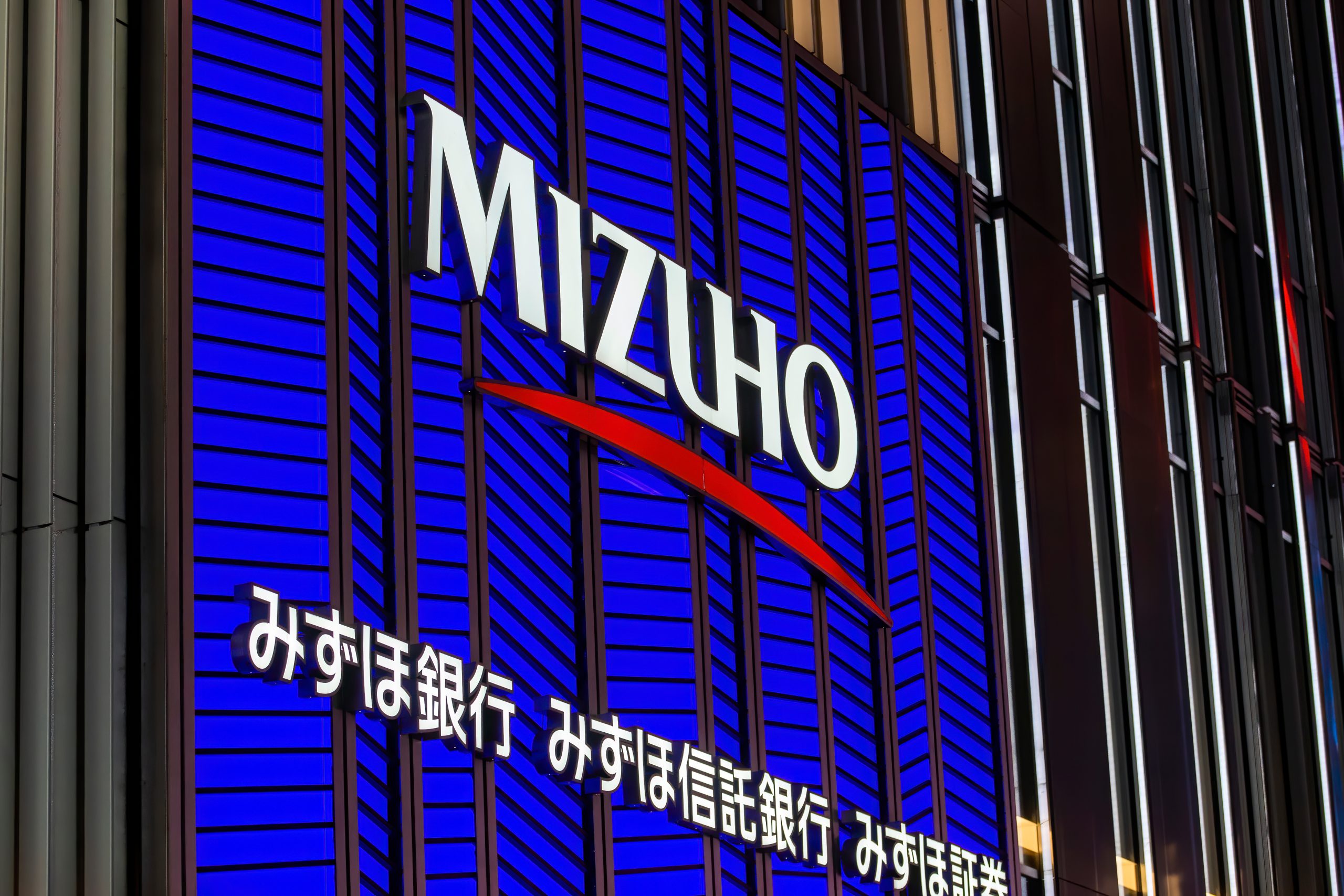
Mizuho Securities is under investigation by Japan’s Securities and Exchange Surveillance Commission over suspected insider trading.
The reported involvement of investment banking staff elevates reputational and compliance risk.
While financial impact is unclear, governance scrutiny could weigh on sentiment during a strong equity cycle.
Mizuho Securities, the brokerage arm of Mizuho Financial Group, confirmed it is cooperating with an investigation by Japan’s financial watchdog following media reports alleging insider trading by employees within its investment banking division.
The firm stated it is fully cooperating with authorities but declined further comment due to the ongoing nature of the probe.
At this stage, the issue is regulatory and reputational rather than financial.
Japan’s equity markets have been trading near record levels, supported by corporate governance reforms, capital return momentum, and renewed foreign inflows. Investment banks have benefited from increased underwriting activity and advisory mandates.
An insider trading investigation within a major brokerage division introduces compliance sensitivity precisely when investor confidence in Japan’s financial system is elevated.
Even isolated incidents can affect perception, particularly in capital markets businesses where trust and information integrity are foundational.
The reported involvement of investment banking personnel heightens scrutiny. Advisory mandates, underwriting credibility, and client relationships depend on strict internal information barriers.
Regulatory investigations can result in fines, enhanced supervision, or mandated compliance upgrades. More materially, they may trigger internal control reviews across the broader organization.
For a diversified financial group such as Mizuho, the reputational dimension often outweighs direct financial penalties.
At present, there is no indication of earnings restatement, capital impairment, or balance-sheet stress. The issue centers on conduct compliance.
Investors typically assess three variables in such cases: the scope of alleged activity, potential regulatory sanctions, and management’s response speed.
If the matter remains contained and corrective measures are implemented swiftly, long-term impact may prove limited. If broader compliance deficiencies emerge, sentiment could weaken more materially.
Japan’s capital markets ecosystem has been experiencing renewed momentum. Enforcement actions during expansion phases often signal regulatory vigilance rather than systemic weakness.
For shareholders of Mizuho Financial Group, the key will be clarity. Transparent communication, strengthened internal controls, and resolution timelines will determine whether the episode becomes a temporary headline or a prolonged governance overhang.
Reputation is intangible capital. In investment banking, it is also strategic infrastructure.
For confidential discussions regarding Japanese financial sector governance risk, regulatory exposure assessment, and portfolio positioning within Asia-Pacific banking institutions, our senior advisory team is available for discreet consultation tailored to institutional and cross-border investment mandates.
 Previous Post
 SKN | Royal Bank of Canada Earns “Moderate Buy” Consensus as Earnings and Dividends Support Momentum
 Next Post
 SKN | HSBC After a 5-Year Surge: Value Opportunity or Full Valuation?
March 27, 2026

March 27, 2026

March 27, 2026

March 27, 2026
 Optimized by Seraphinite Accelerator


