Finance
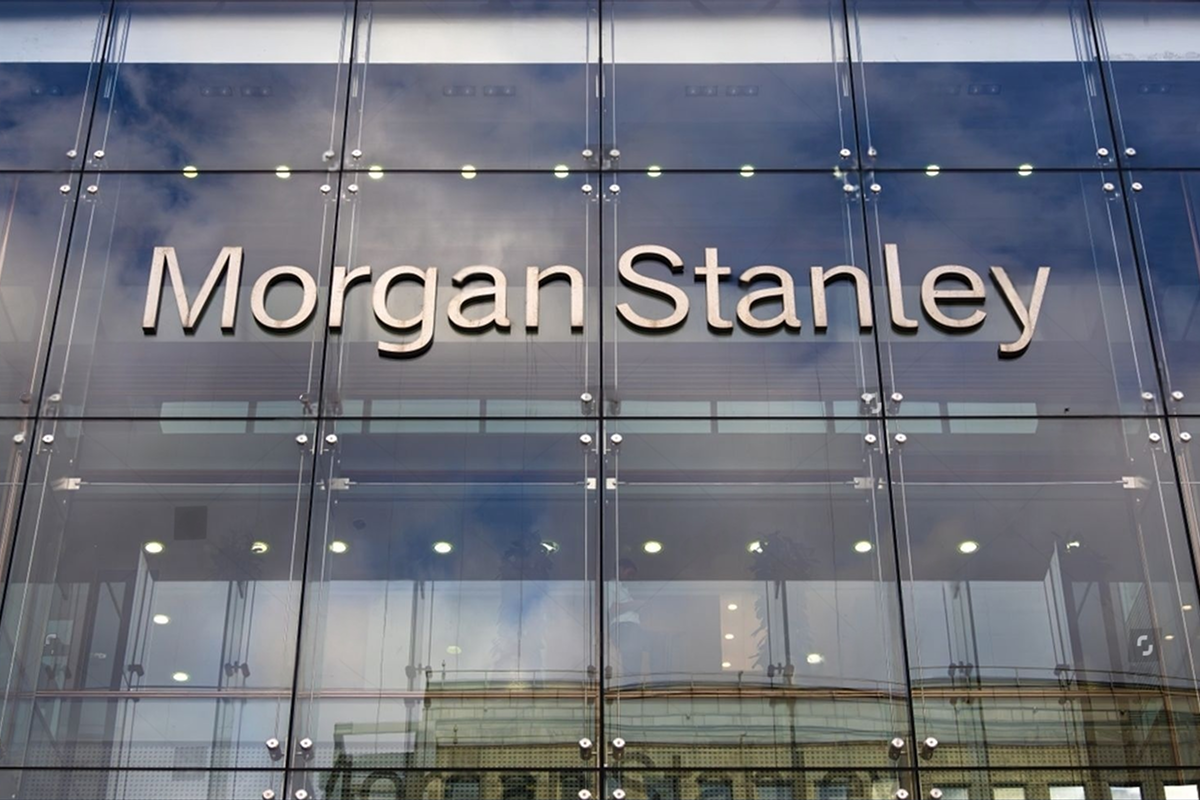
Morgan Stanley has formally applied for a national trust bank charter, a step that would enable it to custody cryptocurrencies under a regulated framework.
A de novo trust charter typically allows institutions to safeguard assets and process transactions without operating as a full-service commercial bank. For Morgan Stanley, this structure could provide regulatory clarity while expanding its digital asset capabilities.
The application reflects increasing institutional interest in bringing crypto services inside traditional financial architecture rather than relying solely on third-party custodians.
Morgan Stanley has gradually expanded its digital asset exposure since 2021, when it began offering high-net-worth clients access to Bitcoin investment vehicles, including funds managed by Galaxy Digital.
In 2025, the bank partnered with Zerohash to allow brokerage clients to trade Bitcoin, Ethereum, and Solana. It has also filed to launch Bitcoin and Ethereum exchange-traded funds, further embedding crypto exposure within its product ecosystem.
Chief Executive Ted Pick has previously stated that the firm is working closely with regulators to ensure crypto offerings are delivered safely and within compliance boundaries.
The application comes as crypto-native firms pursue similar regulatory pathways. Companies such as Coinbase and World Liberty Financial have reportedly applied for banking licenses with the Office of the Comptroller of the Currency.
The OCC has granted conditional approvals to firms including Crypto.com, Ripple, Circle, and BitGo.
For Wall Street institutions, securing custody rights under a national charter may provide a competitive advantage, offering institutional clients integrated asset safekeeping within established regulatory standards.
Custody represents a foundational layer of the digital asset ecosystem. Institutions that control custody infrastructure can manage settlement, compliance, and asset security internally, potentially enhancing margins and client trust.
Morgan Stanley’s move signals that traditional banks increasingly view crypto custody not as a peripheral service, but as core financial infrastructure.
If approved, the charter could strengthen Morgan Stanley’s position in institutional digital assets and accelerate the convergence of traditional finance and blockchain-based markets.
The broader implication is structural: as regulated banks seek custody authority and crypto firms pursue banking licenses, the boundary between conventional banking and digital asset platforms continues to narrow.
For confidential discussions regarding institutional crypto custody frameworks, regulatory capital implications of digital asset banking charters, and strategic positioning within converging TradFi and crypto infrastructure markets, our senior advisory team is available for discreet consultation tailored to institutional and cross-border mandates.
 Previous Post
SKN | Wells Fargo Cuts Soleno Therapeutics Target to $110 While Maintaining Overweight
March 1, 2026
February 28, 2026

February 28, 2026

February 27, 2026