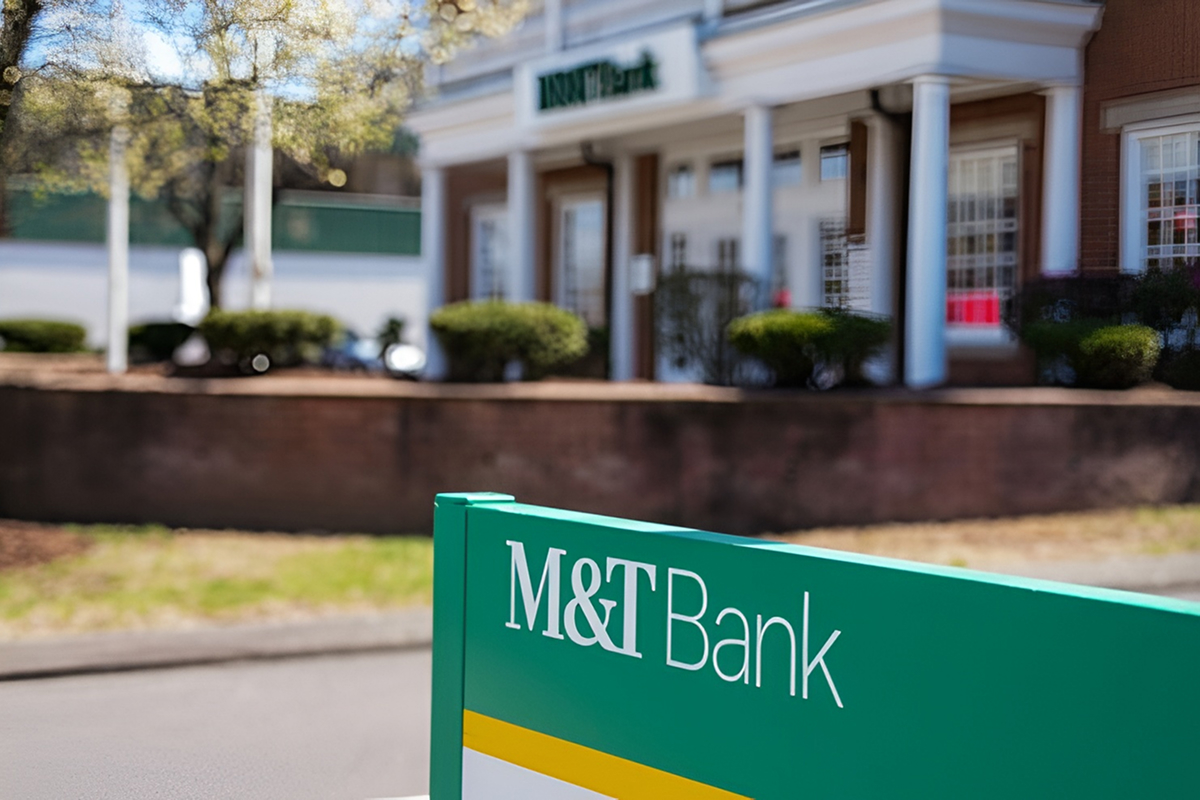
M&T Bank, a regional lender with deep roots along the U.S. East Coast, is resisting the allure of nationwide expansion — a strategy that sets it apart in an era when many banks are racing toward digital scale and broader reach. This approach sheds light on a growing debate in banking: is bigger always better, or can regional focus and strong local ties offer more stability and trust for customers?
While large national banks chase growth across multiple states, M&T Bank has chosen a different path — prioritizing long-term relationships, conservative lending, and community banking. Founded in 1856 and headquartered in Buffalo, New York, M&T has maintained a steady focus on traditional banking fundamentals: deposits, loans, and mortgages rooted in the communities it serves. Its strategy highlights a key question in the evolving financial landscape — whether regional lenders can remain competitive in a world of digital banking and fintech disruption.
Despite its regional focus, M&T has not ignored innovation. The bank has invested heavily in digital banking services — including mobile deposits, online mortgage applications, and automated credit systems — to meet modern customer expectations. These tools have become essential as more clients manage checking accounts and loans online rather than visiting branches. Yet, unlike some competitors that push for rapid national growth, M&T’s technology is designed to strengthen its existing customer base rather than expand aggressively into new markets.
For customers, M&T’s strategy means a more personalized approach to financial services. Its lending decisions often rely on long-term client relationships, helping local businesses access credit even during economic uncertainty. By maintaining conservative underwriting standards and avoiding risky lending practices, the bank has also been less exposed to the credit losses that have challenged some larger peers. This stability benefits depositors and borrowers alike, offering a measure of confidence amid fluctuating interest rates and tighter monetary policy.
In today’s regulatory environment, size can be both an advantage and a burden. While larger banks must navigate complex oversight and higher compliance costs, smaller and mid-sized institutions like M&T often operate with more agility. However, they face growing competition from fintech firms that provide instant loans, digital wallets, and seamless online experiences. M&T’s challenge lies in leveraging its reputation for trust and reliability while adapting to a fast-changing digital marketplace where convenience often trumps loyalty.
M&T’s cautious strategy underscores a broader lesson about the balance between growth and prudence in banking. As the U.S. economy adjusts to higher interest rates and shifting consumer behavior, banks that stay close to their customers — both literally and figuratively — may prove more resilient. Regional institutions that maintain disciplined lending and strong deposit relationships could help stabilize the credit system at a time when global finance faces renewed uncertainty.
M&T’s decision to remain regional reflects a belief that stability and community trust can rival scale and size in the modern financial era. As banks navigate the next wave of digital transformation and economic headwinds, success may depend less on how far they expand and more on how well they serve the customers already within reach. For depositors, small businesses, and investors alike, the lesson is clear: sometimes, banking local can mean thinking long-term.
 Previous Post
 SKN | How Bank Employees Can Bridge the AI Skills Gap
 Next Post
 SKN | Amerant Bank CEO Steps Down Amid Strategic Transition

March 25, 2026

March 25, 2026

March 25, 2026

March 25, 2026
 Optimized by Seraphinite Accelerator