Stock market
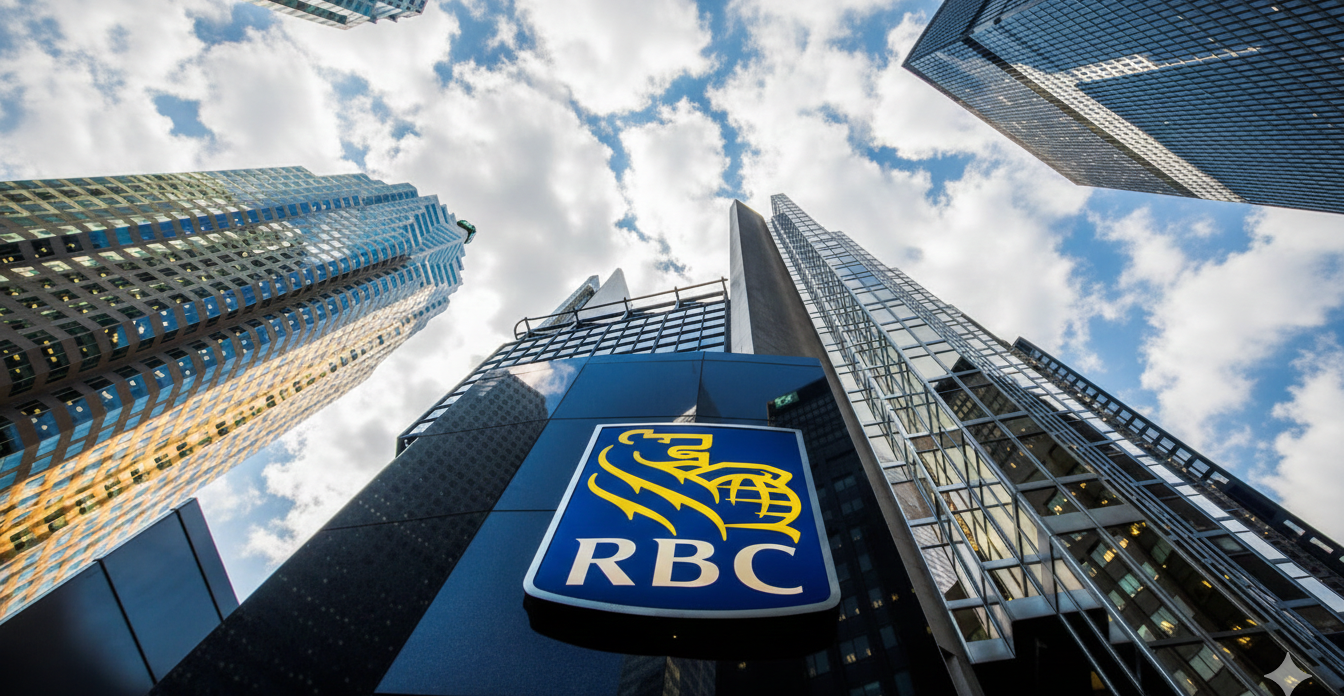
Royal Bank of Canada is advancing plans to expand its international footprint with a targeted push into the Middle East, exploring the establishment of offices in Abu Dhabi and Riyadh. The initiative reflects a deliberate shift toward market diversification as global trade, capital flows, and geopolitical alliances continue to evolve.
Chief Executive Dave McKay framed the expansion against a backdrop of structural change in the global order. Speaking after meetings with U.S. and Middle Eastern officials at the World Economic Forum in Davos, McKay echoed concerns that the traditional rules-based system may not fully return. For RBC, reducing reliance on any single market has become a strategic imperative rather than a defensive choice.
The Middle East’s growing role as a source of deployable capital makes it a natural focal point. Sovereign wealth funds and regional investors are accelerating allocations to technology, artificial intelligence, and energy transition themes—areas where RBC already has advisory, financing, and capital markets expertise.
At present, RBC services Middle Eastern clients primarily through its European operations. Establishing offices on the ground would mark a material upgrade, allowing the bank to pursue local licences for capital markets and wealth management activities. This step would strengthen RBC’s ability to intermediate between capital-rich Middle Eastern investors and opportunities across North America, Europe, and selected emerging markets.
The move aligns with RBC’s longer-term positioning as a connector of global capital, rather than a bank anchored to any single domestic growth cycle.
While expanding in the Middle East, RBC continues to view the United States as a core market, where it employs more than 16,000 people and generates roughly a quarter of group revenue. McKay emphasized the importance of maintaining constructive relationships with U.S. regulators and business leaders, highlighting the enduring relevance of the USMCA framework despite periodic trade tensions.
By contrast, the bank has no immediate plans to expand in China, opting instead to monitor developments as diplomatic and trade relations stabilize, particularly in agriculture.
RBC’s Middle East push illustrates how global banks are adapting to a world defined less by uniform globalization and more by regional capital hubs. Abu Dhabi and Riyadh offer access to long-duration capital pools seeking global deployment, while also positioning RBC closer to clients driving investment in next-generation industries.
For investors, the strategy underscores RBC’s intent to pursue growth through geographic and client diversification rather than balance-sheet expansion alone.
For a confidential discussion on how global bank expansion into Middle Eastern capital hubs, cross-border wealth flows, and geopolitical diversification strategies can be assessed within a long-term portfolio allocation, contact our senior advisory team.
 Previous Post
 SKN | Bank of Communications: Navigating Cross-Border Implications for HNWI Wealth Preservation
 Next Post
 SKN | Barclays Shares Ease as £500m Buyback Concludes, Focus Turns to Rates and Earnings
March 27, 2026
March 27, 2026

March 27, 2026
March 26, 2026
 Optimized by Seraphinite Accelerator