Investors
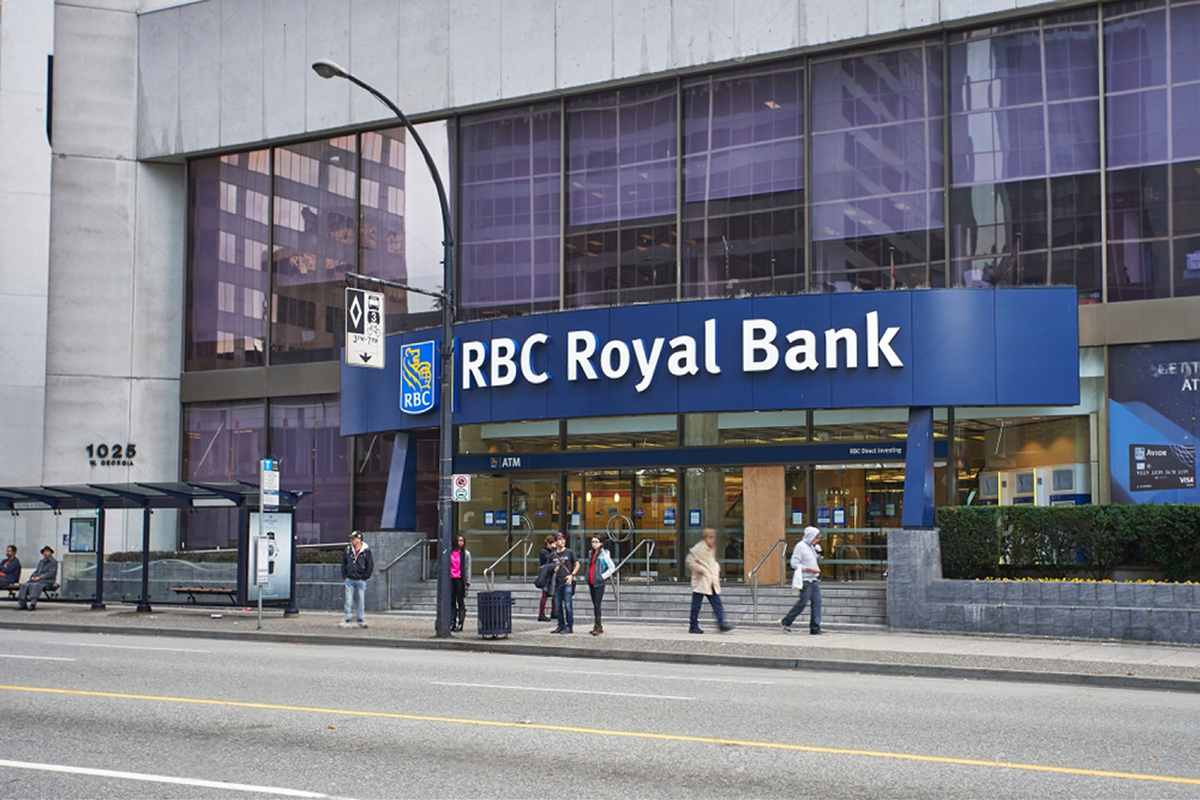
Royal Bank of Canada, alongside other lenders, is setting a $1.8 billion debt financing package to support Investindustrial’s acquisition of TreeHouse Foods. While framed as market chatter, the transaction offers insight into how large financial institutions are deploying balance sheets in the current environment.
For sophisticated capital, the significance lies not in the headline size, but in the willingness of banks to underwrite leveraged transactions tied to operationally complex consumer businesses.
By anchoring the financing, Royal Bank of Canada is effectively expressing confidence in the sponsor, the asset, and the capital structure. This reflects a broader institutional preference for transactions where visibility, execution history, and downside protection are well defined.
The participation of multiple lenders further indicates that credit committees remain open—but disciplined. Capital is available, but pricing and structure remain tightly controlled.
This transaction highlights how leveraged finance has evolved. Banks are no longer competing for volume at the expense of risk controls. Instead, they are prioritizing deals backed by sponsors with proven operational expertise.
In this case, Investindustrial’s track record and TreeHouse Foods’ established cash flows help justify the scale of the debt package.
The $1.8 billion package underscores that institutional liquidity remains present for structured transactions. However, it also reinforces that financing is increasingly bifurcated.
Deals that meet strict underwriting criteria continue to attract capital, while weaker credits face limited access or punitive pricing.
For high-net-worth individuals, the relevance of this transaction is not direct equity exposure, but insight into where banks are allocating risk capital.
Within Swiss custody and cross-border wealth structures, such signals help inform:
This information becomes particularly valuable when evaluating co-investments, private debt funds, or structured products linked to leveraged transactions.
Despite lender confidence, risks remain. Consumer demand volatility, execution challenges post-acquisition, and refinancing conditions all factor into long-term performance.
Banks underwriting such packages are increasingly focused on covenant structures and downside scenarios, reinforcing a more conservative credit posture.
Royal Bank of Canada anchoring a $1.8 billion debt package reflects a selective reopening of leveraged finance at the institutional level. This is not a return to excess, but evidence of disciplined capital deployment.
For sophisticated capital, the takeaway is clear: liquidity exists, but it is flowing only toward transactions that meet stringent quality and governance standards. Understanding these signals is essential for navigating private markets in the current cycle.
For a confidential discussion regarding how private credit and leveraged finance trends affect your cross-border banking structure, contact our senior advisory team.
 Previous Post
 SKN | Barclays Fine-Tunes Consolidated Edison View: Target Trimmed to $100, Underweight Maintained
 Next Post
 SKN | CIBC Reaffirms Orla Mining Outperformer Rating After Q4 Production Results
March 24, 2026
March 24, 2026

March 24, 2026
March 23, 2026
 Optimized by Seraphinite Accelerator