Finance
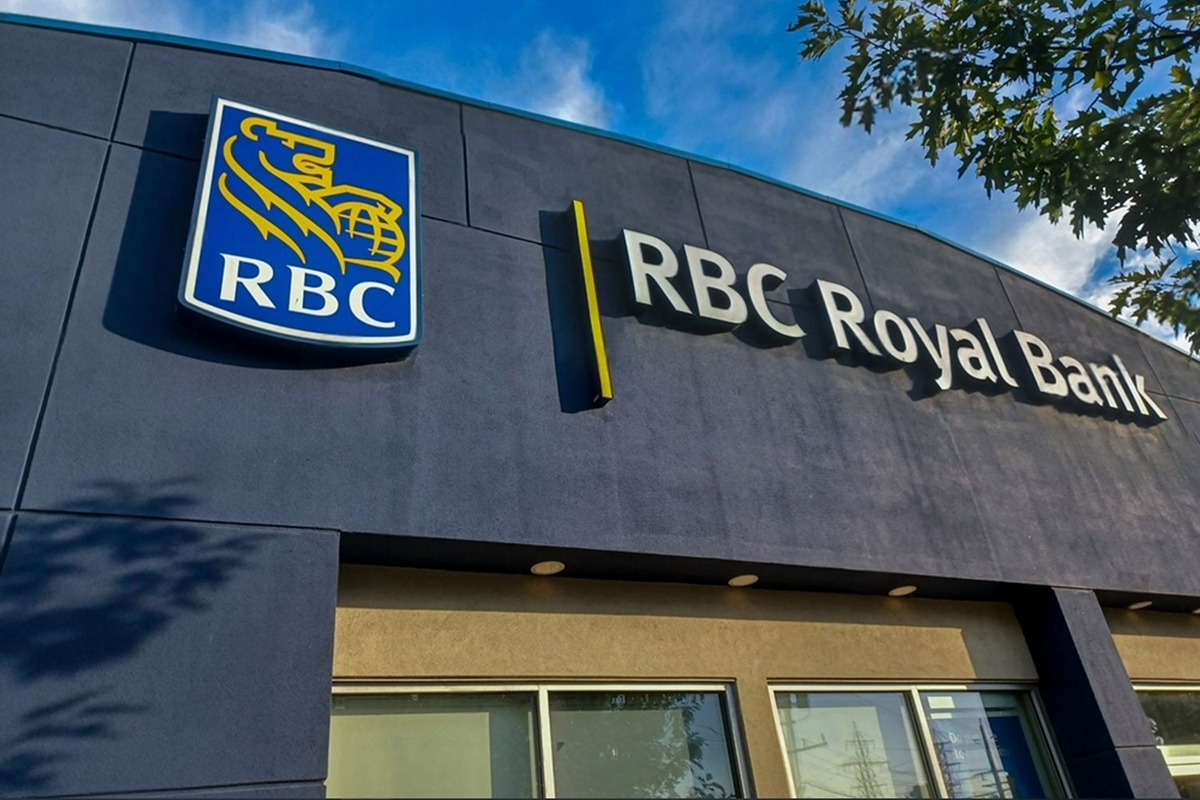
RBC delivered record reported earnings of CAD 5.8 billion for fiscal Q1 2026, with adjusted earnings reaching CAD 5.9 billion. Pre-provision, pre-tax earnings climbed to nearly CAD 8.5 billion, up 14 percent year over year.
Return on equity reached 17.6 percent, while return on assets approached 90 basis points. Diluted EPS came in at CAD 4.03, with adjusted diluted EPS of CAD 4.08, representing 13 percent year-over-year growth.
The bank repurchased more than 4 million shares during the quarter for approximately CAD 1 billion. Its Common Equity Tier 1 ratio improved to 13.7 percent, reflecting strong internal capital generation.
Wealth Management posted record revenue exceeding CAD 6 billion, with net income of CAD 1.3 billion, up 32 percent year over year. Assets under administration in Canadian Wealth surpassed CAD 1 trillion for the first time, while U.S. Wealth AUA reached $777 billion.
Capital Markets also delivered record revenue of CAD 4 billion and net income of CAD 1.5 billion. Strength in equity trading and repo products supported results, though investment banking revenue declined modestly year over year.
Management highlighted continued advisor recruitment momentum and healthy M&A and origination pipelines.
Canadian personal banking net income reached roughly CAD 2 billion. Loan growth rose approximately 4 percent year over year, with strength in healthcare and agriculture offset by tariff-related headwinds in certain supply-chain sectors.
Aggregate retail money-in flows increased nearly 50 percent quarter over quarter, including strong mutual fund net sales exceeding CAD 2 billion during the quarter. Deposits grew 5 percent year over year despite competitive pricing conditions.
Gross impaired loans totaled CAD 9.2 billion, up CAD 485 million sequentially. Total credit loss provisions reached 40 basis points.
Higher provisions were recorded in capital markets and personal banking, particularly in Ontario and the Greater Toronto Area, where mortgage renewal pressures remain evident. Management expects renewal-related pressures to ease as the bank moves through 2026.
Wholesale credit volatility remains elevated, though management described the broader credit environment as stable and cautiously optimistic.
All-bank net interest income increased 8 percent year over year. Net interest margin declined modestly due to seasonal capital markets financing activity, though Canadian banking margin remained stable when excluding HSBC Canada purchase accounting impacts.
Adjusted non-interest expenses rose 3 percent, driven primarily by higher variable compensation in wealth and capital markets divisions.
RBC reiterated fiscal 2026 guidance targeting mid-single-digit net interest income growth, controlled expense growth, and positive operating leverage. Management also referenced leadership adjustments in technology and AI to enhance efficiency and long-term competitiveness.
RBC’s diversified earnings base continues to provide resilience, with record contributions from wealth and capital markets offsetting localized retail credit softness.
Investors will likely focus on credit normalization in Ontario, capital deployment discipline, and sustained operating leverage as key drivers heading deeper into fiscal 2026.
For confidential discussions regarding Canadian bank capital ratio sustainability, wealth and capital markets earnings cyclicality, credit loss sensitivity modeling, and institutional allocation strategy within North American financial institutions, our senior advisory team is available for discreet consultation tailored to institutional and cross-border mandates.
 Previous Post
SKN | UBS Cuts Progressive Valuation While Maintaining Neutral View
 Next Post
SKN | Wells Fargo Cuts Soleno Therapeutics Target to $110 While Maintaining Overweight

March 1, 2026
February 28, 2026

February 28, 2026

February 27, 2026


