Investors
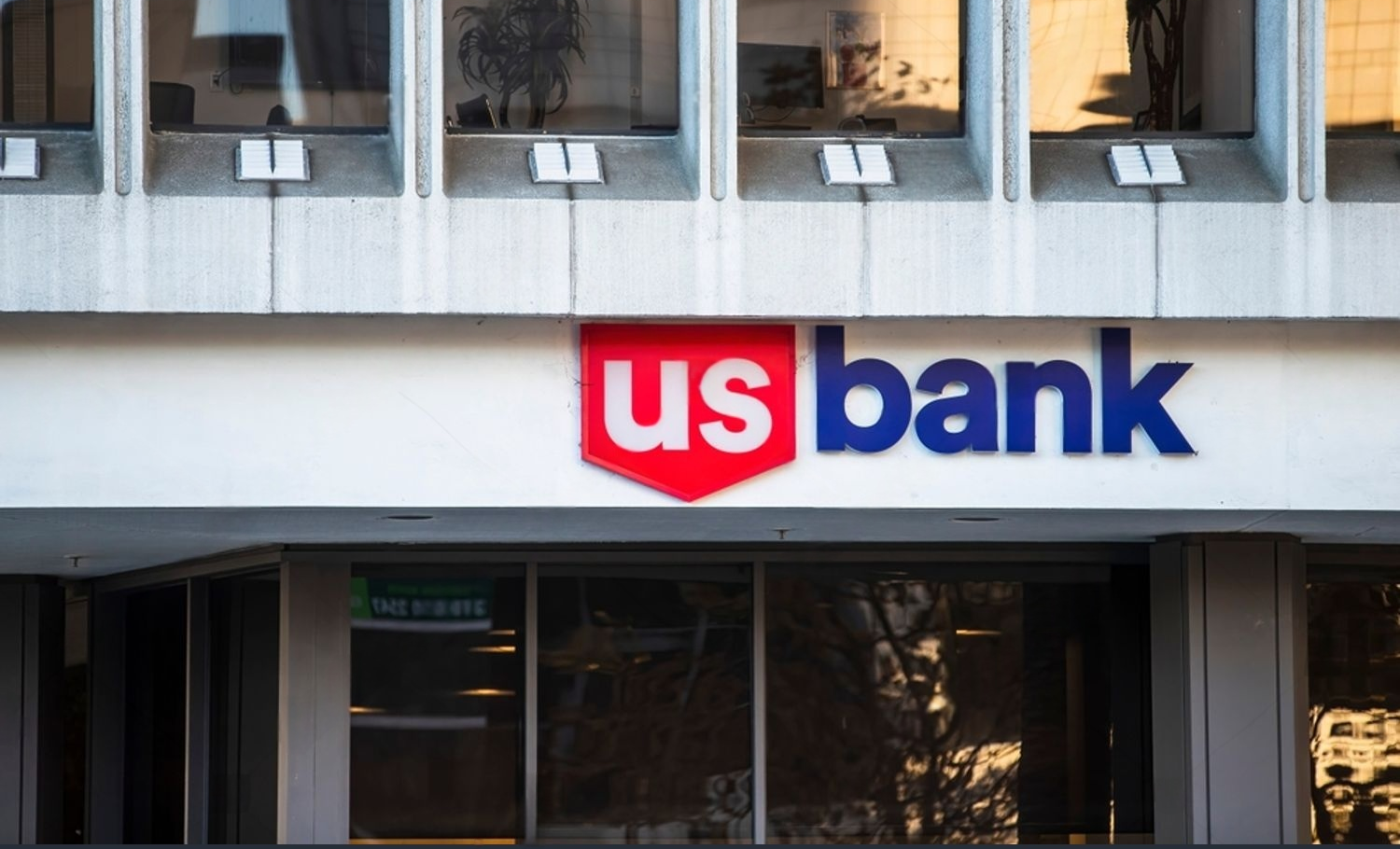
After a strong multi-year advance, U.S. Bancorp enters a different phase of market scrutiny. For high-net-worth individuals managing globally diversified portfolios, the central question is no longer whether the bank has recovered, but whether current valuation levels fairly compensate for its risk profile and expected returns.
Extended share price gains tend to compress future returns unless supported by continued earnings growth or improving efficiency. In this environment, investors demand consistency rather than acceleration. U.S. Bancorp’s valuation increasingly reflects confidence in management execution and balance sheet stewardship.
For sophisticated capital, this shift favors institutions that deliver predictability over those relying on cyclical momentum.
U.S. Bancorp’s appeal has long rested on earnings stability and conservative credit practices. These characteristics remain intact, supporting downside protection during periods of macro uncertainty. Credit performance and funding discipline will continue to shape investor confidence more than topline expansion.
For HNWI portfolios, such attributes reduce tail risk and reinforce the bank’s role as a core financial exposure rather than a tactical trade.
Capital adequacy provides an important buffer as market conditions evolve. U.S. Bancorp’s capital position supports dividend capacity and balance sheet flexibility, both of which are central to long-term portfolio planning.
In a post-rally context, capital strength limits downside scenarios even as upside becomes more measured.
Attractiveness today is defined less by upside potential and more by reliability. For U.S. Bancorp, valuation appeal lies in its ability to deliver steady returns, disciplined risk management, and income visibility rather than multiple expansion.
Within diversified wealth structures, this profile complements growth-oriented holdings by providing balance and resilience.
U.S. Bancorp remains relevant after its multi-year share price gains, but the investment case has evolved. The focus is now on maintaining performance through execution, credit discipline, and capital management rather than expecting outsized returns.
For globally structured wealth, the bank continues to function as a stability-oriented allocation aligned with capital preservation and efficiency.
For a confidential discussion regarding how U.S. banking exposure fits within your cross-border banking and investment structure, contact our senior advisory team.
 Previous Post
 SKN | Capital One in Focus as Jim Cramer Signals Caution: Interpreting the Message for Long-Term Capital
 Next Post
 SKN | BNP Paribas Flags Earnings Upside as PepsiCo Enters a New Strategic Phase
March 24, 2026
March 24, 2026
March 24, 2026
March 23, 2026
 Optimized by Seraphinite Accelerator