Finance
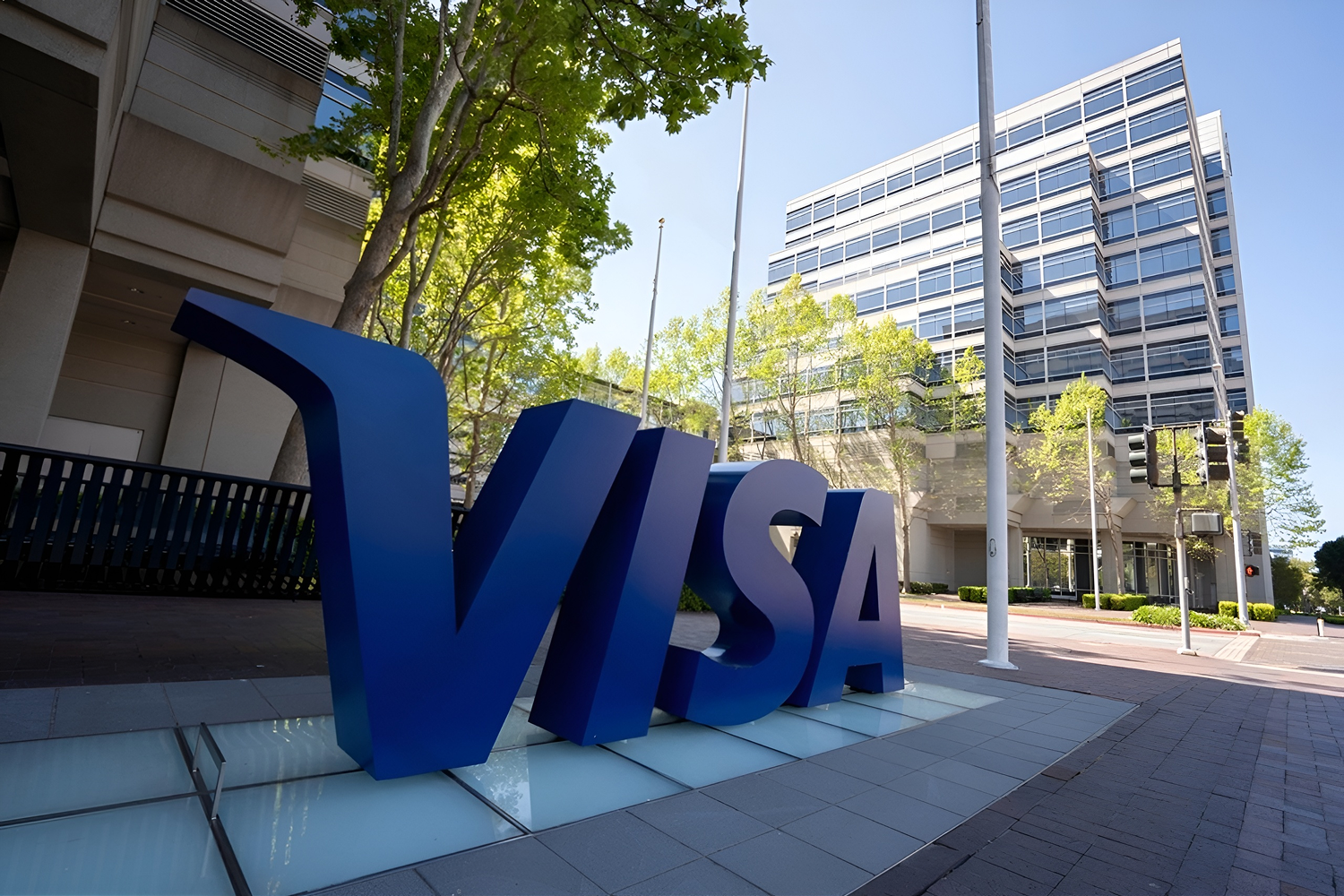
Visa’s decision to move into Moody’s former headquarters in Canary Wharf marks more than a simple change of address—it reflects the broader shift toward digital banking and the rapid evolution of global payment systems. As financial services continue to digitize, major industry players are reassessing their operational needs, customer expectations, and long-term growth strategies.
Visa’s relocation to a landmark building in London’s financial district underscores the expanding role of digital payments in the modern economy. While not a traditional bank, Visa stands at the center of the credit and payments ecosystem, facilitating billions of transactions across checking accounts, digital banking apps, and retail payment networks.
The move to Canary Wharf highlights Visa’s focus on scaling up digital infrastructure and supporting innovations that improve transaction speed and security. In an era where customers expect quick deposits, instant loan approvals, and seamless online services, payment networks are becoming as essential as banks themselves.
For consumers, Visa’s investment in upgraded facilities signals continued improvements in how payments are processed. Faster settlement times can make checking account balances more accurate in real time, while enhanced cybersecurity reduces fraud risks for credit and debit card users.
Businesses—from small retailers to major e-commerce platforms—stand to benefit as well. A stronger technological backbone means smoother payment acceptance, improved cash flow timing, and more reliable integration with digital banking systems. These advances also support broader access to credit and loans, which rely heavily on efficient transaction data and secure digital verification.
Banks are deeply affected by shifts in the payments industry. Visa’s expansion reinforces the competition between traditional financial institutions and fintech-driven networks that increasingly handle services once dominated by banks, such as digital transfers and retail credit flows.
At the same time, banks rely on companies like Visa to maintain reliable transaction rails. As interest rate dynamics, mortgage demand, and customer preferences continue to change, banks must collaborate closely with payment networks to ensure stable digital banking operations. The growth of real-time payments also pressures banks to modernize legacy systems, strengthening resilience and improving customer experience.
Visa’s strategic move arrives at a time when digital transactions are overtaking cash at record speed. As economies become more interconnected, the efficiency of payment systems plays a larger role in consumer behavior, business planning, and credit access. London’s status as a global fintech hub makes Canary Wharf an ideal location for companies seeking to shape the future of finance.
Looking forward, advancements in AI-powered fraud detection, cross-border settlement, and open banking will continue to redefine both banking services and payment networks. Visa’s investment positions it to compete in this rapidly evolving ecosystem while reinforcing London’s influence in global finance.
Visa’s relocation is more than a symbolic move—it reflects how digital infrastructure has become the backbone of modern banking. As payments modernize, consumers should expect faster deposits, smoother online services, and stronger protection from fraud. For banks, the challenge is clear: partner wisely, innovate quickly, and align technology with long-term credit and economic trends.
 Previous Post
 SKN | Brazil’s Central Bank Examines Fraud Allegations Against Santander Executive as BofA Opens Door to Crypto Exposure
 Next Post
 SKN | Pictet Asset Management Sees Departure of Corto Europe Hedge Fund Manager After 27 Years

March 25, 2026

March 25, 2026

March 25, 2026

March 25, 2026
 Optimized by Seraphinite Accelerator