
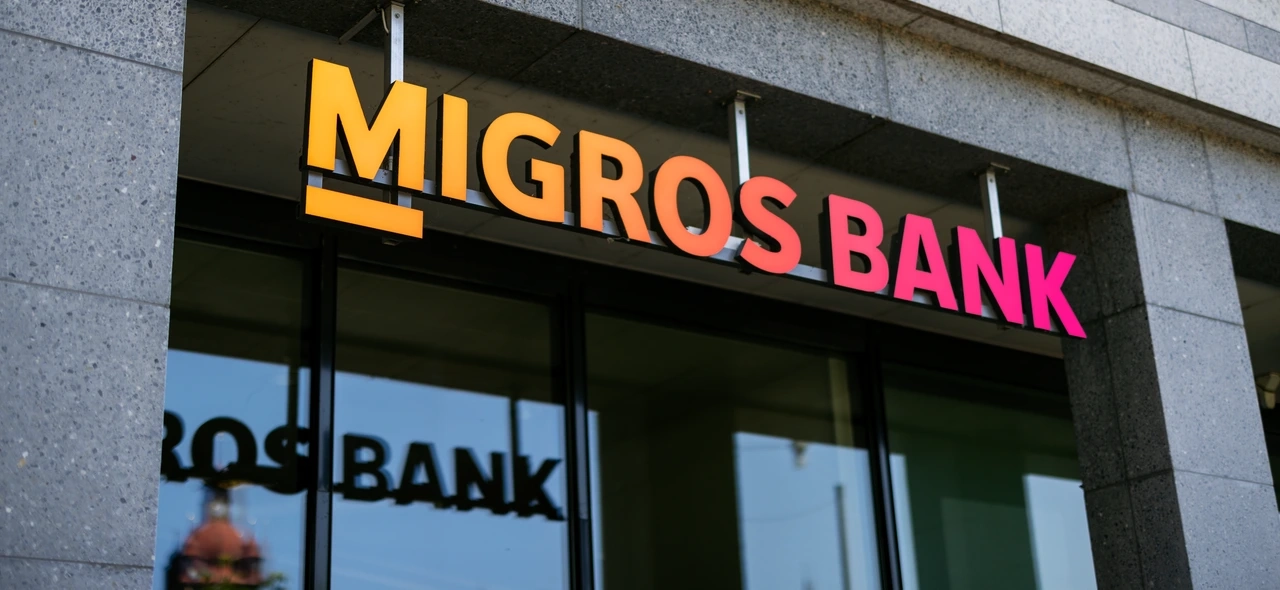
Migros Bank, a well-known name in Swiss retail banking, has posted a drop in profit, underscoring the challenges mid-sized lenders are facing in today’s shifting financial landscape. With higher interest rates, rising costs, and tougher competition across Europe, the pressure on banks is building. For customers and investors alike, the results serve as a reminder that the banking industry is in the middle of major change.
Banks make their money in straightforward ways—charging interest on loans and mortgages, collecting fees from accounts, and earning returns on deposits. When profits shrink, it usually signals that the margin between what banks earn on lending and what they pay to depositors is narrowing.
For Migros Bank, this means the balance between offering competitive rates to savers and keeping lending attractive is becoming harder to manage. And while this might sound like an internal problem for the bank, it has real consequences for everyday customers. The profitability of a bank can directly affect the mortgage rate someone gets, how much interest is offered on savings, or how easily a small business can secure credit.
Migros Bank has built its reputation on affordability and accessibility—whether that’s mortgages, personal loans, or its user-friendly digital banking services. But with lower profits, the bank may need to rethink how it prices certain products.
For customers, the trade-off is clear: borrowing may become more expensive, but savers could finally see some benefit after years of ultra-low rates.
Migros Bank isn’t alone in this. Across Switzerland and Europe, many mid-sized lenders are feeling the squeeze. On top of dealing with market pressures, banks face stricter regulations that require them to hold larger capital reserves. At the same time, competition from digital-only banks and fintech firms is reshaping customer expectations, pushing traditional institutions to innovate faster.
Consumers now expect seamless online banking, instant transactions, and low fees. For a retail-focused bank like Migros, keeping up with those demands while still protecting profitability is a tough balancing act.
Migros Bank’s weaker profit highlights both short-term challenges—like rising interest rates—and longer-term ones, such as the need for digital transformation. For customers, this environment means keeping an eye on mortgage offers, comparing savings rates, and exploring new digital finance tools.
For the banking sector, the lesson is clear: success will depend on striking the right mix of stability, innovation, and customer value. Those banks that adapt quickly to changing conditions will be better placed to serve customers and remain competitive in an increasingly crowded financial marketplace.
 Previous Post
 Sustainable Finance: How Green Banking Is Shaping the Future
 Next Post
 Klarna Makes New Attempt at IPO
April 23, 2026

April 23, 2026

April 23, 2026
April 23, 2026
 Optimized by Seraphinite Accelerator


