Investors
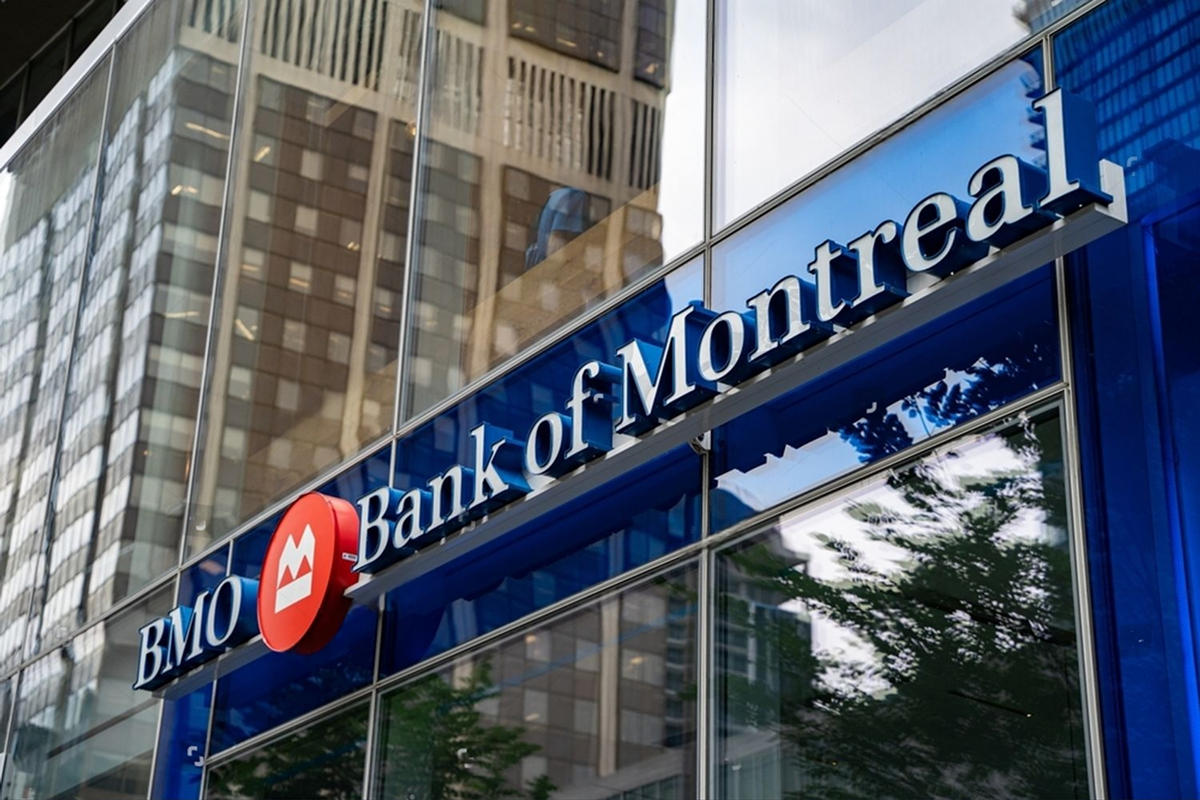
BMO Capital is raising its view on Phillips 66, signaling that the bank sees further room for the energy company to extend its current operating momentum. On September 17, BMO increased its price target for Phillips 66 from $260 to $310 while maintaining its Outperform rating.
The revised target moves beyond Phillips 66’s recent record above $274 and reflects BMO’s assessment that the company’s integrated structure is translating favorable market conditions into stronger financial performance. For sophisticated investors, the more relevant point is not simply the higher target, but why BMO believes the earnings cycle can remain supportive.
BMO’s analysis centers on Phillips 66’s integrated business model. Rather than relying exclusively on one operating segment, the company combines Refining, Renewables and Midstream activities, allowing performance across the portfolio to influence overall earnings and cash generation.
BMO highlighted strong execution across the business and noted that the integrated model has gained momentum relative to its individual segments. Refining and Renewables remain the cyclical leaders, benefiting from the unusually favorable operating environment, while the Midstream business provides a potentially more durable medium-term growth component.
That distinction matters for capital allocators. A refining-driven earnings surge can be highly cyclical, whereas a broader contribution from Midstream could provide greater diversification within Phillips 66’s own operating structure.
Phillips 66’s recent financial performance gives context to BMO’s higher target. The company generated $3.85 billion in second-quarter net income, compared with $877 million a year earlier, representing its strongest quarterly profit since the period following Russia’s invasion of Ukraine in 2022.
The stronger earnings environment has also improved cash generation and supported balance-sheet reduction. Net debt declined by nearly 25% sequentially to $16.5 billion, while Phillips 66 remains on track to reduce net debt below $16 billion by the end of 2026.
For BMO, this combination of operating execution and declining leverage strengthens the financial profile of the company. Lower debt can reduce the portion of future cash generation required for financing obligations, potentially increasing financial flexibility across the cycle.
The strategic significance of BMO’s call extends beyond the $310 target. It indicates that the bank is placing greater weight on earnings durability, portfolio integration and balance-sheet improvement rather than treating Phillips 66’s recent performance purely as a temporary refining windfall.
For internationally diversified wealth holders, the distinction is important. The investment case BMO is presenting rests on the interaction between cyclical energy margins, disciplined execution and improving financial resilience. The principal issue to monitor is whether favorable refining conditions persist long enough for the company to continue converting elevated margins into debt reduction and sustainable cash generation.
For a confidential discussion regarding your cross-border banking structure, energy-sector exposure or international wealth strategy, contact our senior advisory team.

September 20, 2026

September 20, 2026

September 20, 2026

September 19, 2026
 Optimized by Seraphinite Accelerator