

Investors
Citi has warned that near-term oil price risks remain skewed to the upside, even as crude exports from the Gulf recover. In its October 22 assessment, the bank emphasized that improving export volumes have not translated into equally smooth deliveries, with shipping bottlenecks keeping the cost of moving crude elevated.
The distinction is central to Citi’s analysis. Higher export volumes can ease concerns about physical availability, but logistical constraints may still limit how efficiently oil reaches refiners. The bank described the recovery in Arab Gulf exports as “volumetric rather than logistical,” pointing to shipping inefficiencies that continue to raise delivered crude costs.
For clients assessing inflation, currency exposure, or energy-sensitive businesses, Citi’s message is that headline export recovery alone may not fully capture the market’s underlying supply pressures.
The scale of the disruption is reflected in freight pricing. Citi said rates for very large crude carriers operating on the Gulf-China route recently approached $250 per metric ton, equivalent to approximately $35 per barrel. That was more than 20 times the average level over the previous decade, according to the bank.
Shipping arrangements have also become more complex. More than 1 million barrels per day of Gulf crude exports were moved through ship-to-ship transfers in September, representing approximately 7.5% of regional flows. Before the US-Iran conflict, such transfers were virtually nonexistent, Citi said.
These figures suggest that the cost of restoring supply is not limited to producing and exporting crude. Transport capacity, routing, vessel availability, and transfer arrangements can all influence the price paid by the eventual buyer. Citi’s assessment therefore focuses on the friction between oil leaving the region and oil arriving efficiently at its destination.
Gulf oil flows excluding Iran rose to more than 81% of pre-war levels in September, according to the data cited in the report. Saudi exports led the recovery despite attacks on the kingdom’s oil infrastructure and escalating Iranian attacks on regional shipping. Iranian exports, meanwhile, fell to zero because of a US blockade.
The Strait of Hormuz handled approximately one-fifth of global oil and liquefied natural gas supplies before US-Israeli attacks on Iran began in late February. Its strategic importance helps explain why shipping disruptions can have consequences beyond the immediate region. However, the supplied report does not quantify the resulting effect on global inflation or provide a specific oil-price target.
For investors and internationally active businesses, Citi’s analysis highlights a distinction between recovering supply volumes and normalizing energy costs. Persistently expensive freight can affect refiners, energy-intensive manufacturers, transport operators, and companies exposed to fuel-related input costs. The extent of those effects will depend on how long shipping constraints persist and whether freight rates begin to normalize.
Investors should monitor Gulf export data, tanker freight rates, developments around the Strait of Hormuz, and subsequent commentary from Citi. The bank’s assessment points to continued upside risk, not a certainty that oil prices will rise. For globally diversified portfolios, understanding the transmission of energy and transport costs into inflation, currencies, and corporate margins remains essential.
For a confidential discussion regarding your cross-border banking structure and global wealth management arrangements, contact our senior advisory team.
 Previous Post
SKN | Barclays Plans to Cut 5,000 Jobs as AI Reshapes Banking Operations and Cost Strategy
 Next Post
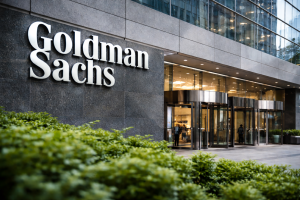
SKN | Goldman Sachs Flags Short-Squeeze Risk as Hedge Funds’ Bearish Stock Exposure Nears a Five-Year High
October 23, 2026

October 23, 2026

October 22, 2026

October 22, 2026
SKN | Goldman Sachs Flags Short-Squeeze Risk as Hedge Funds’ Bearish Stock Exposure Nears a Five-Year High
SKN | Barclays Plans to Cut 5,000 Jobs as AI Reshapes Banking Operations and Cost Strategy
SKN | Capital One Q3 Earnings Beat Estimates as Higher Net Interest Income Supports Profit Growth
 Optimized by Seraphinite Accelerator



